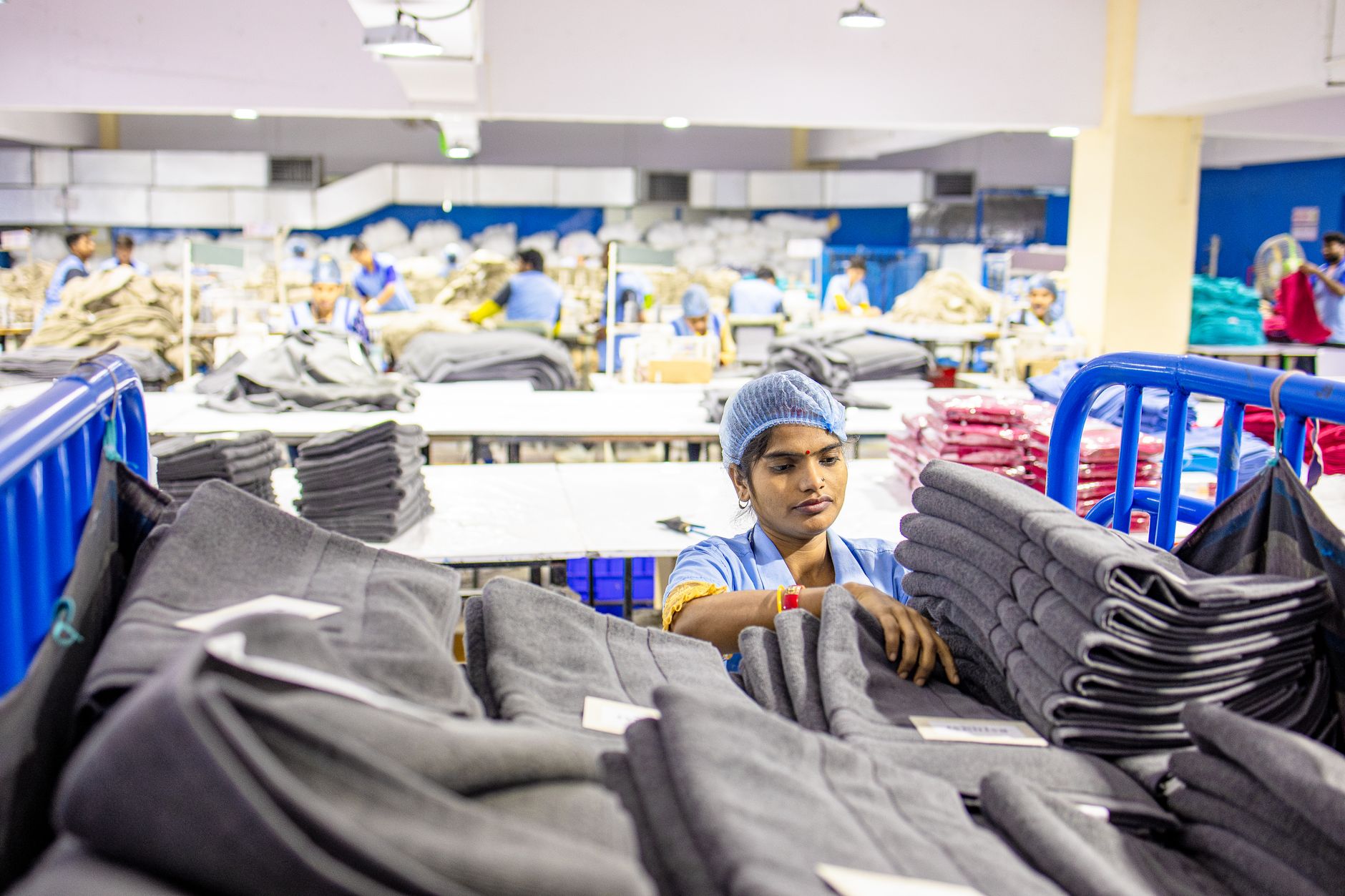
India's business process outsourcing sector is witnessing a significant shift toward inclusive employment practices, with impact sourcing emerging as a powerful model that combines social impact with business excellence. This approach focuses on recruiting talented individuals from economically disadvantaged or under-represented communities, providing them with formal employment opportunities in the organized sector.
What is Impact Sourcing?
Impact sourcing is an ethical hiring practice where companies intentionally recruit workers from communities that typically face barriers to formal employment. This includes individuals from low-income backgrounds, rural areas, people with disabilities, women returning to work after career breaks, and other marginalized groups. Unlike traditional corporate social responsibility programs, impact sourcing integrates these employees into mainstream business operations, expecting the same performance standards as any other hire.
The model challenges the conventional assumption that talent exists only in urban centers or among those with traditional educational credentials. Instead, it recognizes that capability and potential are widely distributed across society, even if access to opportunities is not.
Why Companies Are Adopting This Model
Several factors are driving the adoption of impact sourcing in India's BPO and contact center industries. The sector faces chronic talent shortages and high attrition rates, making it essential to tap into previously overlooked talent pools. At the same time, companies are recognizing that diverse teams bring fresh perspectives and better understand varied customer bases.
From a business perspective, impact sourcing can reduce recruitment and training costs. Employees hired through these programs often demonstrate higher loyalty and lower attrition rates compared to traditional hires, as they value the opportunity to enter formal employment. Studies have shown that retention rates among impact sourcing employees can be 20-30% higher than industry averages.
Additionally, companies benefit from enhanced brand reputation and stronger relationships with socially conscious clients who increasingly evaluate partners based on environmental, social, and governance criteria.
Communities Benefiting from These Initiatives
Impact sourcing programs in India typically focus on several key demographics. Women from conservative families or rural backgrounds who face mobility restrictions or social barriers to employment find these programs particularly valuable. Many contact center roles can be performed remotely or in smaller satellite offices established in tier-2 and tier-3 cities, making them accessible.
People with disabilities represent another significant group. With appropriate accommodations and assistive technology, individuals with hearing, visual, or mobility impairments can excel in customer service, back-office processing, and technical support roles.
Youth from economically weaker sections who may have completed secondary education but lack resources for higher education or professional training benefit from structured skill development programs embedded in impact sourcing initiatives. Similarly, individuals from scheduled castes, scheduled tribes, and other historically marginalized communities gain access to formal sector jobs that might otherwise remain out of reach.
The Training and Support Framework
Successful impact sourcing programs go beyond simply hiring from diverse backgrounds. They invest significantly in training infrastructure, recognizing that candidates may need additional support to succeed. This includes foundational skills training in digital literacy, communication, and workplace etiquette, alongside technical job-specific training.
Many programs offer life skills coaching, financial literacy education, and mentorship to help employees navigate formal employment environments. Some companies establish dedicated support systems to address challenges employees might face, from transportation difficulties to family resistance.
Language training is particularly crucial in customer-facing roles. Programs often include intensive English communication modules or training in other languages based on client requirements, helping candidates develop the linguistic competence needed for success.
Performance Outcomes Dispelling Myths
A critical aspect of impact sourcing's success is that it delivers measurable business results. Organizations implementing these programs report that employees hired through impact sourcing meet or exceed performance benchmarks. Customer satisfaction scores, quality metrics, and productivity measures show no significant difference compared to traditionally recruited employees.
This performance parity is achieved through thoughtful program design that combines appropriate candidate selection, comprehensive training, and ongoing support. The key insight is that when provided with equal opportunities and resources, individuals from under-represented communities perform just as well as their more privileged counterparts.
Broader Economic and Social Impact
Beyond individual employment, impact sourcing creates ripple effects in communities. Formal sector jobs provide stable incomes, social security benefits, and career progression opportunities. Employees often become financial contributors to extended families, funding education for siblings or improving household living standards.
Women gaining employment often experience enhanced social status and decision-making power within families. The presence of formal employment opportunities in smaller towns and rural areas can slow migration to overcrowded metro cities.
For India's economy, impact sourcing helps formalize employment, bringing more workers into the tax system and social security net while developing skills that contribute to national competitiveness in global services markets.
The evolution of impact sourcing demonstrates that inclusive hiring is not just ethically sound but also makes excellent business sense, creating a sustainable model for growth that benefits companies, employees, and society alike.