Northeast India has long remained one of the country's best-kept secrets, but recent tourism figures from Assam suggest that the veil is finally lifting. The state's achievement of attracting six crore (60 million) tourists marks a watershed moment not just for Assam, but for the entire northeastern region, which has historically struggled with connectivity challenges and limited national visibility.
The Numbers Behind the Success
The milestone of six crore visitors represents a remarkable turnaround for a region that was once considered off the beaten path for most Indian travelers. This surge in tourist footfall reflects years of sustained effort in infrastructure development, improved connectivity, and strategic marketing campaigns that have repositioned Northeast India from a remote frontier to an accessible adventure paradise.
Assam's success is particularly noteworthy considering the state was receiving just a fraction of these numbers a decade ago. The exponential growth indicates a fundamental shift in how Indian travelers perceive the Northeast, moving beyond stereotypes and discovering the region's authentic cultural richness and natural beauty.
What's Drawing Travelers to Assam
Several factors have contributed to this tourism triumph. Assam's UNESCO World Heritage Sites, including Kaziranga National Park and Manas National Park, have become major drawcards for wildlife enthusiasts. Kaziranga, home to the world's largest population of one-horned rhinoceros, offers safari experiences that rival Africa's finest game reserves.
The Brahmaputra River has emerged as a significant attraction, with river cruises offering multi-day journeys that combine wildlife spotting, cultural immersion, and luxury accommodation. These cruises have particularly appealed to domestic travelers seeking unique experiences without venturing abroad.
Tea tourism has also gained momentum, with visitors flocking to experience life on working tea estates, participate in plucking activities, and learn about the journey from leaf to cup. Assam's tea gardens, spread across rolling hills with colonial-era bungalows, provide Instagram-worthy landscapes that appeal to younger travelers.
Infrastructure and Connectivity Improvements
The tourism boom didn't happen by accident. Significant investments in infrastructure have made Northeast India more accessible than ever before. Improved air connectivity, with more frequent flights and new routes linking major cities to Guwahati and other northeastern airports, has reduced travel time dramatically.
Road infrastructure has seen substantial upgrades, making inter-state travel within the Northeast smoother and safer. The government's focus on developing border tourism has also opened previously restricted areas, allowing travelers to explore regions close to international boundaries with proper permits.
Digital connectivity improvements have enabled travelers to stay connected even in remote areas, addressing one of the major concerns that previously deterred visitors. The ability to share experiences in real-time has inadvertently created organic marketing for the region.
The Adventure Travel Revolution
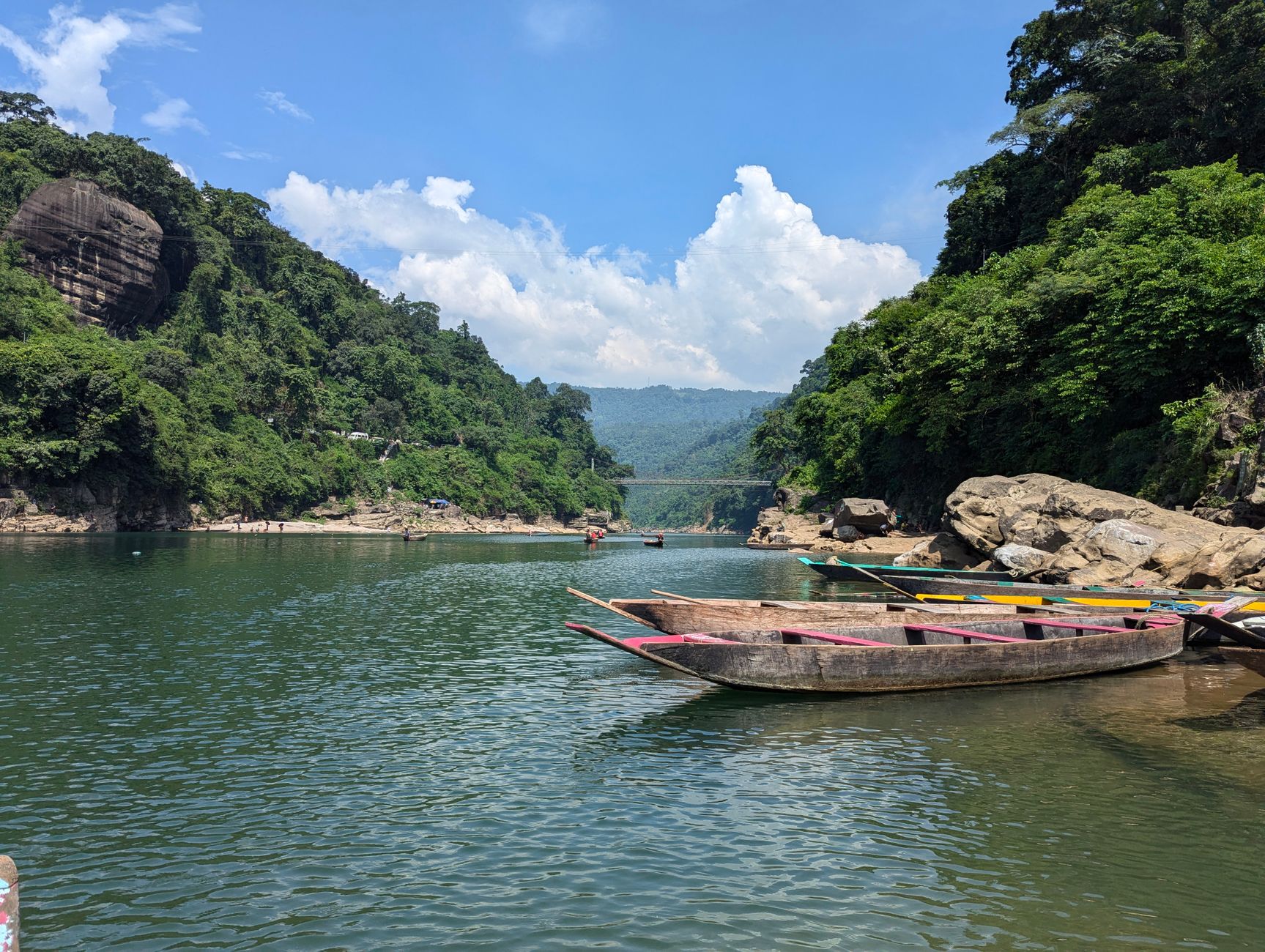
Assam and the broader Northeast region are increasingly positioning themselves as adventure travel destinations. River rafting on the Brahmaputra and its tributaries, trekking in the Eastern Himalayas, and mountain biking through picturesque landscapes attract thrill-seekers from across India and beyond.
The region's diverse topography means adventure enthusiasts can find activities ranging from paragliding and zip-lining to angling in pristine rivers and exploring limestone caves. This diversification has helped extend the tourism season beyond traditional peak periods.
Cultural and Festival Tourism
Assam's vibrant cultural calendar, highlighted by celebrations like Bihu, has become a major attraction. Festival tourism allows visitors to witness authentic cultural expressions, traditional dance forms, and local cuisines in their natural settings rather than staged performances.
The state's numerous monasteries, particularly in regions like Majuli—the world's largest river island—offer spiritual tourism experiences. Indigenous communities have begun hosting homestays, providing travelers with immersive cultural experiences while creating sustainable income streams for local populations.
Economic Impact and Future Prospects
The influx of six crore tourists has created substantial economic ripples. The hospitality sector has expanded rapidly, with new hotels, resorts, and homestays emerging across the state. Local artisans, handicraft producers, and small businesses have found new markets for their products.
Employment generation has been significant, with tourism creating direct and indirect jobs in transportation, guiding, hospitality, and related services. Young people who previously migrated to metropolitan cities for opportunities are now finding viable careers in their home states.
Looking ahead, sustainable tourism development remains crucial. The challenge will be managing visitor numbers while preserving the region's ecological integrity and cultural authenticity. As Assam and its neighboring states build on this momentum, the Northeast is poised to become one of India's premier tourism destinations, offering experiences that few other regions can match.