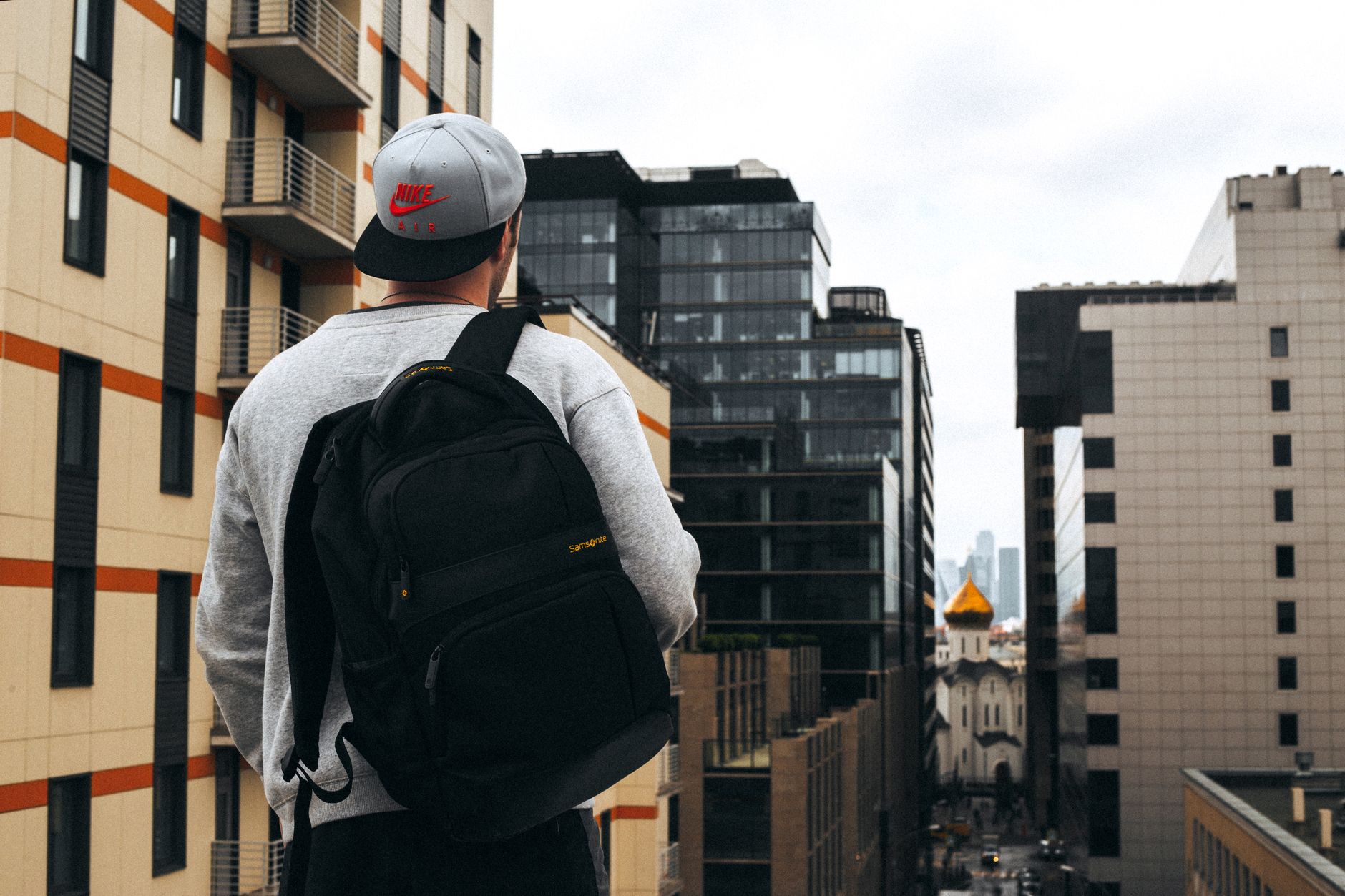
Travel backpacks have evolved from simple daypacks into sophisticated carry-on solutions that combine comfort, organization, and airline compliance. Whether you're a digital nomad, weekend warrior, or occasional traveller, selecting the right carry-on backpack requires understanding your specific needs and the features that matter most.
Why Choose a Backpack Over Wheeled Luggage
Backpacks offer distinct advantages for modern travellers. They keep your hands free for navigating crowded airports, boarding passes, and coffee cups. Unlike wheeled luggage, backpacks easily handle stairs, cobblestone streets, and uneven terrain common in many destinations. They're also typically lighter and more compact, making them ideal for budget airlines with strict carry-on requirements.
The versatility factor cannot be overstated. A quality travel backpack transitions seamlessly from airplane cabin to city exploration to hiking trail, eliminating the need for multiple bags.
Key Features to Consider
When evaluating carry-on backpacks, several features separate exceptional options from mediocre ones.
- Capacity between 35-45 litres typically meets most travellers' needs while remaining airline-compliant
- Laptop compartments with padding protect electronics during transit
- Multiple organizational pockets prevent the dreaded "black hole" effect
- Compression straps reduce bulk when partially packed
- Lockable zippers add security in hostels and public spaces
- Water-resistant materials protect belongings during unexpected weather
Comfortable carrying systems matter more than many realize. Look for padded shoulder straps, sternum straps, and hip belts that distribute weight properly. Even a lightweight pack becomes uncomfortable after hours of wear without proper support.
Understanding Airline Size Restrictions
Most airlines allow carry-on bags measuring approximately 55cm x 40cm x 20cm, though requirements vary. Budget carriers often impose stricter limits. A backpack marketed as "carry-on sized" should fit these dimensions when fully packed, but always verify with your specific airline before travelling.
Some backpacks feature expandable compartments or removable panels. While clever, these can push dimensions beyond allowed limits when fully utilized. Measure your packed bag before your first trip to avoid gate-check surprises.
Budget-Friendly Options That Perform
Quality travel backpacks span an enormous price range. Entry-level options starting around ₹2,500-3,000 offer basic functionality suitable for occasional travellers. These typically lack advanced features like laptop compartments or sophisticated harness systems but adequately serve weekend trips or secondary bags.
Mid-range backpacks (₹5,000-12,000) represent the sweet spot for most travellers. These incorporate thoughtful organizational systems, durable materials, and comfortable carrying systems without premium pricing. Many established outdoor brands offer excellent options in this range.
Premium backpacks exceeding ₹15,000 provide specialized features like anti-theft technology, lifetime warranties, or ultralight materials. While nice, these additions aren't essential for most users.
Matching Backpack to Travel Style
Your ideal backpack depends heavily on how you travel. Weekend city breakers need minimal capacity but maximum organization for quick access to essentials. Digital nomads require robust laptop protection and longer-term durability. Adventure travellers benefit from weather resistance and attachment points for gear.
Consider trip length when selecting capacity. A 35-litre pack suffices for weekend trips, while week-long journeys might require 40-45 litres. Experienced packers often manage longer trips with smaller bags through strategic packing and laundry.
Testing Before Committing
Whenever possible, test backpacks before purchasing. Load the pack with weight approximating your typical travel load. Wear it for 15-20 minutes, adjusting straps to assess comfort. Check zip quality, pocket accessibility while wearing the pack, and overall construction.
Online purchases require more faith, but reputable retailers offer generous return policies. Pack the bag for an imaginary trip and wear it around your home to identify potential issues before tags come off.
Maintenance for Longevity
Quality backpacks last years with proper care. Spot-clean regularly using mild soap and water. Empty all pockets between trips to prevent forgotten items from causing odours or stains. Store bags in cool, dry places away from direct sunlight, which degrades materials over time.
Address small issues immediately. A loose strap or separated seam easily repairs when caught early but becomes major problems if ignored. Many manufacturers offer repair services for their products, extending useful life significantly.
The right carry-on backpack becomes a trusted travel companion, making journeys smoother and more enjoyable while protecting your belongings across countless adventures.