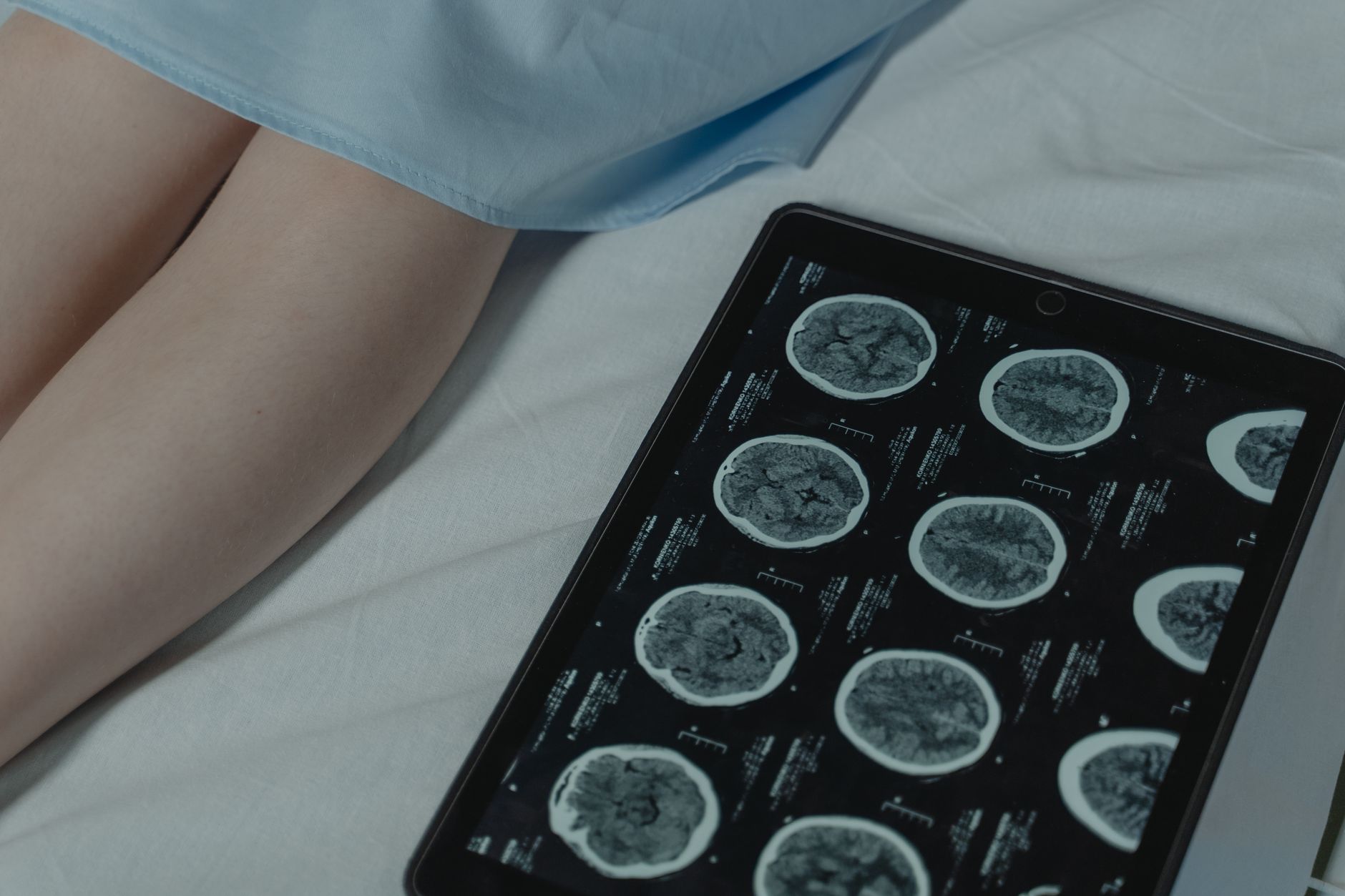
India is witnessing a worrying trend in public health: a sharp increase in brain and neurological disorders at a time when the country faces a severe shortage of specialists equipped to treat them. This gap between demand and supply in neurological care is creating significant challenges for patients and the healthcare system alike.
The Growing Burden of Neurological Disorders
Neurological conditions encompass a wide range of disorders affecting the brain, spinal cord, and nervous system. In India, conditions such as stroke, epilepsy, Parkinson's disease, dementia, migraine, and brain injuries are becoming increasingly prevalent. Several factors contribute to this rise, including an aging population, lifestyle changes, increased stress levels, and better diagnostic capabilities that identify conditions previously undetected.
Stroke has emerged as one of the leading causes of death and disability in India, with the country reporting among the highest stroke burdens globally. Similarly, epilepsy affects approximately 10-12 million Indians, while neurodegenerative diseases like Alzheimer's and Parkinson's are rising with the country's demographic shift toward an older population.
Mental health conditions with neurological components, such as anxiety and depression that may have underlying brain chemistry issues, further add to the disease burden. The COVID-19 pandemic has also highlighted neurological complications as post-viral symptoms, adding another layer to the already strained system.
The Neurologist Shortage Crisis
The numbers paint a stark picture of the shortage. India currently has approximately one neurologist for every 1-2 million people, far below the World Health Organization's recommended ratio. Most developed countries maintain ratios closer to one neurologist per 20,000-50,000 people. This disparity means that millions of Indians lack access to specialized neurological care.
The shortage is even more pronounced in rural and semi-urban areas, where specialist doctors are scarce. Most neurologists are concentrated in major metropolitan cities, leaving vast swathes of the country underserved. A patient in a tier-3 city or rural area may need to travel hundreds of kilometers to consult a neurologist, creating barriers of cost, time, and accessibility.
Contributing Factors to the Shortage
Several factors have contributed to India's neurologist deficit:
- Limited training seats in neurology specialization programs at medical colleges
- Long duration of training required to become a qualified neurologist
- Preference among doctors for other specializations perceived as more lucrative
- Brain drain as trained specialists migrate abroad for better opportunities
- Insufficient infrastructure and support systems in smaller cities and rural areas
- Lack of awareness about neurology as a career path among medical students
The creation of new neurologists cannot keep pace with the growing demand. Training a neurologist requires several years beyond basic medical education, including post-graduate specialization and often super-specialization, creating a bottleneck in supply.
Impact on Patient Care
The shortage has serious implications for patient outcomes. Delayed diagnosis of neurological conditions can lead to irreversible damage, as many brain disorders require timely intervention. Stroke patients, for instance, have a critical window of hours where treatment can prevent permanent disability, but lack of specialists often means delayed care.
Patients face long waiting times for appointments, sometimes extending to months. This delay can be life-threatening for those with progressive conditions. Additionally, the high patient load on existing neurologists compromises the quality of care, with doctors unable to spend adequate time with each patient.
The Way Forward
Addressing this crisis requires a multi-pronged approach. Increasing the number of training seats in neurology departments across medical colleges is essential. The government and private sector must invest in creating neurology departments in district hospitals to improve geographical distribution of specialists.
Telemedicine has emerged as a partial solution, allowing neurologists to consult with patients remotely and guide general physicians in managing neurological conditions. Upskilling general practitioners to recognize and manage common neurological conditions can also help bridge the gap.
Creating awareness about brain health, preventive measures, and early warning signs can reduce the disease burden. Investment in research, infrastructure, and making neurology an attractive career option for medical students are long-term necessities.
The rising tide of brain disorders against the backdrop of specialist shortage represents a significant public health challenge for India. Addressing it requires coordinated efforts from government, medical institutions, and healthcare providers to ensure that every Indian has access to timely and quality neurological care.
This article is for general informational purposes only and should not be considered medical advice. If you or someone you know is experiencing neurological symptoms, please consult a qualified healthcare professional for proper diagnosis and treatment.