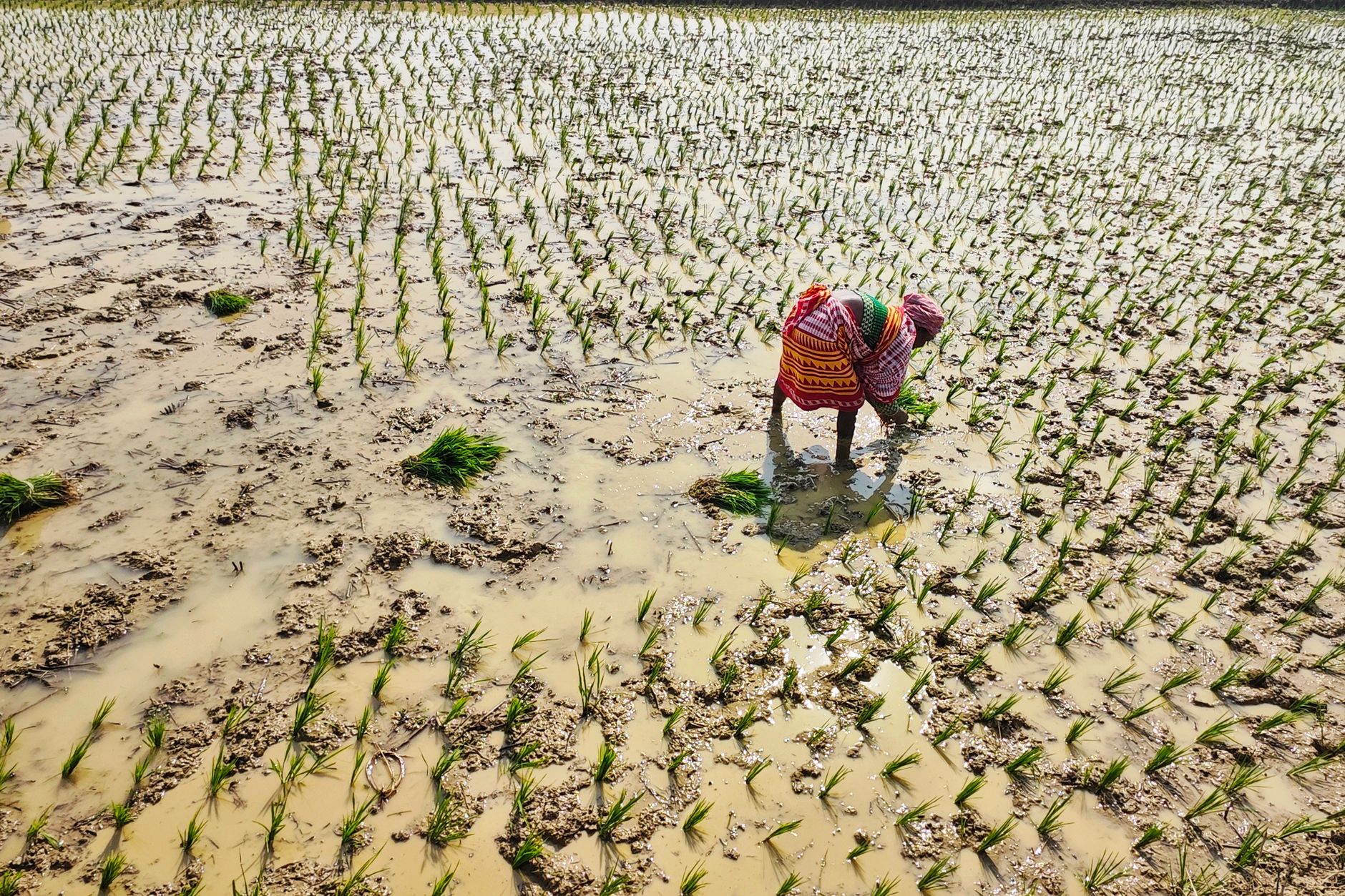
India's agricultural sector faces mounting pressure from increasingly unpredictable monsoon patterns, prompting investors and entrepreneurs to explore technological solutions. Among the most promising innovations are advanced seed varieties designed to withstand drought, excess rainfall, and temperature fluctuations. The question remains whether improved seeds can genuinely resolve the fundamental challenges that plague Indian farming during monsoon season.
The Monsoon Problem
The southwest monsoon delivers approximately 70 percent of India's annual rainfall, making it critical for the country's agricultural economy. Recent years have witnessed growing irregularity in monsoon behaviour, with delayed onset, extended dry spells, and concentrated heavy rainfall events becoming more common. These patterns disrupt traditional farming calendars and reduce crop yields, affecting the livelihoods of over 100 million farming households.
Traditional seed varieties often struggle under such variable conditions. Crops may germinate poorly during dry spells, suffer waterlogging during heavy rains, or fail to reach maturity when the season is shortened. This unpredictability translates directly into financial losses for farmers who invest in inputs without guaranteed returns.
The Seed Technology Revolution
Agricultural biotechnology companies and seed manufacturers have developed varieties engineered for specific stress tolerances. Drought-resistant seeds feature deeper root systems and improved water retention capabilities. Flood-tolerant varieties can survive submersion for extended periods. Short-duration seeds allow farmers to complete crop cycles within compressed growing seasons.
Hybrid seeds combine multiple desirable traits, potentially offering insurance against various weather scenarios. Some varieties promise higher yields per hectare, which could offset losses from reduced cultivation areas during difficult seasons. The seed technology sector has attracted substantial venture capital and private equity investment in recent years, with investors betting on agriculture technology as a growth sector.
Investment Implications
For investors, the agricultural inputs sector presents compelling opportunities. India's seed market is projected to grow significantly as awareness increases and government programmes promote improved varieties. Companies specializing in crop science, biotechnology, and agricultural inputs have shown resilience even during economic downturns, as food production remains essential.
Public sector seed corporations, private biotechnology firms, and agri-tech startups are all competing in this space. Investment vehicles range from direct equity stakes in seed companies to agricultural-focused mutual funds and exchange-traded funds. Some investors are also exploring farmland investment trusts that employ advanced seed technologies to improve returns.
The Reality Check
Despite technological advances, seeds alone cannot solve the monsoon problem comprehensively. Several limiting factors constrain their effectiveness:
- Improved seeds typically cost more than traditional varieties, creating affordability barriers for smallholder farmers
- Many advanced seeds require complementary inputs like specific fertilizers or pesticides, adding to cultivation costs
- Infrastructure challenges including inadequate irrigation, storage, and market access remain unaddressed by seed technology
- Soil health degradation limits the performance of even the best seed varieties
- Credit access issues prevent many farmers from investing in premium seeds
Additionally, the benefits of improved seeds depend heavily on proper agronomic practices. Farmers need training and support to maximize returns from advanced varieties, representing another layer of required investment beyond the seeds themselves.
A Piece of the Puzzle
Improved seeds represent one component of a comprehensive solution to monsoon-related agricultural challenges. They work best when combined with better irrigation infrastructure, crop insurance schemes, soil health management, weather forecasting services, and improved market linkages.
For investors, this suggests opportunities beyond seed companies alone. The broader agricultural value chain, including irrigation technology, crop insurance providers, agricultural credit platforms, and farm management software companies, all stand to benefit from the modernization of Indian agriculture.
Looking Forward
The seed technology sector will likely continue attracting investment as climate unpredictability intensifies. However, investors should maintain realistic expectations about individual technologies solving complex systemic problems. Diversified exposure across the agricultural value chain may offer better risk-adjusted returns than concentrated bets on any single solution.
For individual investors considering this sector, examining companies with strong research and development capabilities, extensive farmer networks, and proven track records across multiple crop cycles offers a prudent approach.
This article is for general informational purposes only and does not constitute financial advice. Investment decisions should be made after consulting with qualified financial advisors and conducting thorough due diligence on specific opportunities.