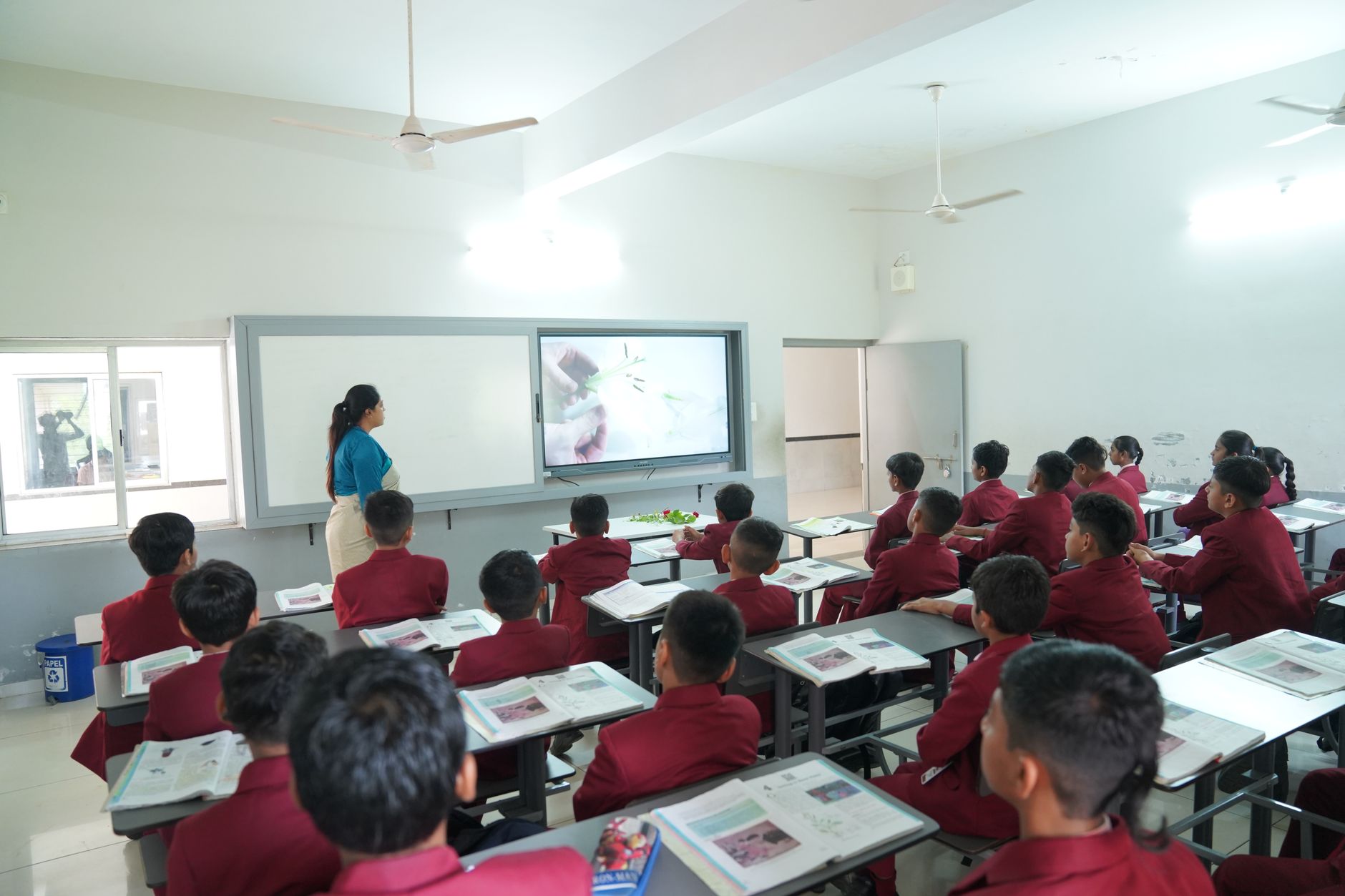
The landscape of education in India is set to witness a significant transformation as chess, the ancient game of strategy and intellect, finds its way into the formal curriculum of schools across the nation. This collaborative effort between the All India Chess Federation (AICF) and government authorities marks a pivotal moment in recognizing the educational value of chess beyond recreational activity.
The Vision Behind Chess Education
The initiative aims to integrate chess as part of the regular academic framework, making it accessible to millions of students from diverse backgrounds. Unlike traditional extracurricular activities, this program seeks to establish chess as a systematic learning tool that develops critical thinking, problem-solving abilities, and concentration among young learners.
India has produced numerous chess grandmasters and world champions, most notably Viswanathan Anand and more recently, young prodigies like R Praggnanandhaa and D Gukesh. This rich chess heritage provides a strong foundation for nurturing future talent while making the benefits of chess education available to all students, regardless of their competitive aspirations.
Key Components of the Program
The structured chess education initiative encompasses several important elements designed for effective implementation across schools:
- Development of age-appropriate chess curriculum aligned with different grade levels
- Training programs for teachers to become certified chess instructors
- Provision of chess equipment and learning materials to participating schools
- Regular tournaments and competitions at district, state, and national levels
- Digital platforms and resources for online learning and practice
- Assessment frameworks to measure student progress and skill development
The program recognizes that not every student will become a professional chess player, but emphasizes the transferable skills gained through learning chess, including patience, logical reasoning, and decision-making under pressure.
Educational Benefits of Chess
Research worldwide has consistently demonstrated the positive impact of chess on academic performance and cognitive development. Students who learn chess often show improvement in mathematics, as the game reinforces concepts like patterns, sequences, and spatial relationships. The analytical thinking required in chess translates well to problem-solving in science and other subjects.
Beyond academics, chess teaches valuable life skills. Players learn to accept responsibility for their decisions, as every move has consequences. The game cultivates emotional intelligence through handling wins and losses gracefully, and builds resilience when facing challenging positions on the board.
Implementation Challenges and Solutions
Rolling out a nationwide initiative of this scale presents certain logistical challenges. Rural schools may lack basic infrastructure and trained personnel. To address this, the program plans phased implementation, starting with pilot projects in select schools before expanding to remote areas.
The shortage of qualified chess instructors is being tackled through intensive teacher training workshops and certification programs. Additionally, partnerships with chess clubs, retired players, and volunteers help bridge the gap in human resources.
Financial constraints are being managed through a combination of government funding, corporate sponsorships, and public-private partnerships. Many technology companies have shown interest in supporting digital chess platforms that can reach students in areas where physical resources are limited.
Global Context and Indian Potential
Several countries have successfully integrated chess into their education systems. Armenia made chess mandatory in schools back in 2011, while countries like Spain, Poland, and Mexico have similar programs. India's vast student population and growing chess culture position it uniquely to become a global leader in chess education.
The timing is particularly opportune given India's rising prominence in international chess. Young Indian players are consistently performing well in global competitions, creating role models for aspiring chess enthusiasts. This initiative could accelerate India's chess revolution while democratizing access to quality chess education.
Looking Ahead
The success of this initiative will depend on sustained commitment from all stakeholders, including school administrations, parents, and students themselves. Regular evaluation and feedback mechanisms will help refine the curriculum and teaching methodologies.
As chess boards appear in more Indian classrooms, the initiative promises to do more than create future grandmasters. It aims to equip an entire generation with sharper minds, better decision-making capabilities, and the confidence to tackle complex challenges both on and off the board.
This article is for general informational purposes only and reflects the broader educational initiative as understood from public announcements. Specific implementation details may vary by state and institution.