The Rise of Grassroots Student Movements
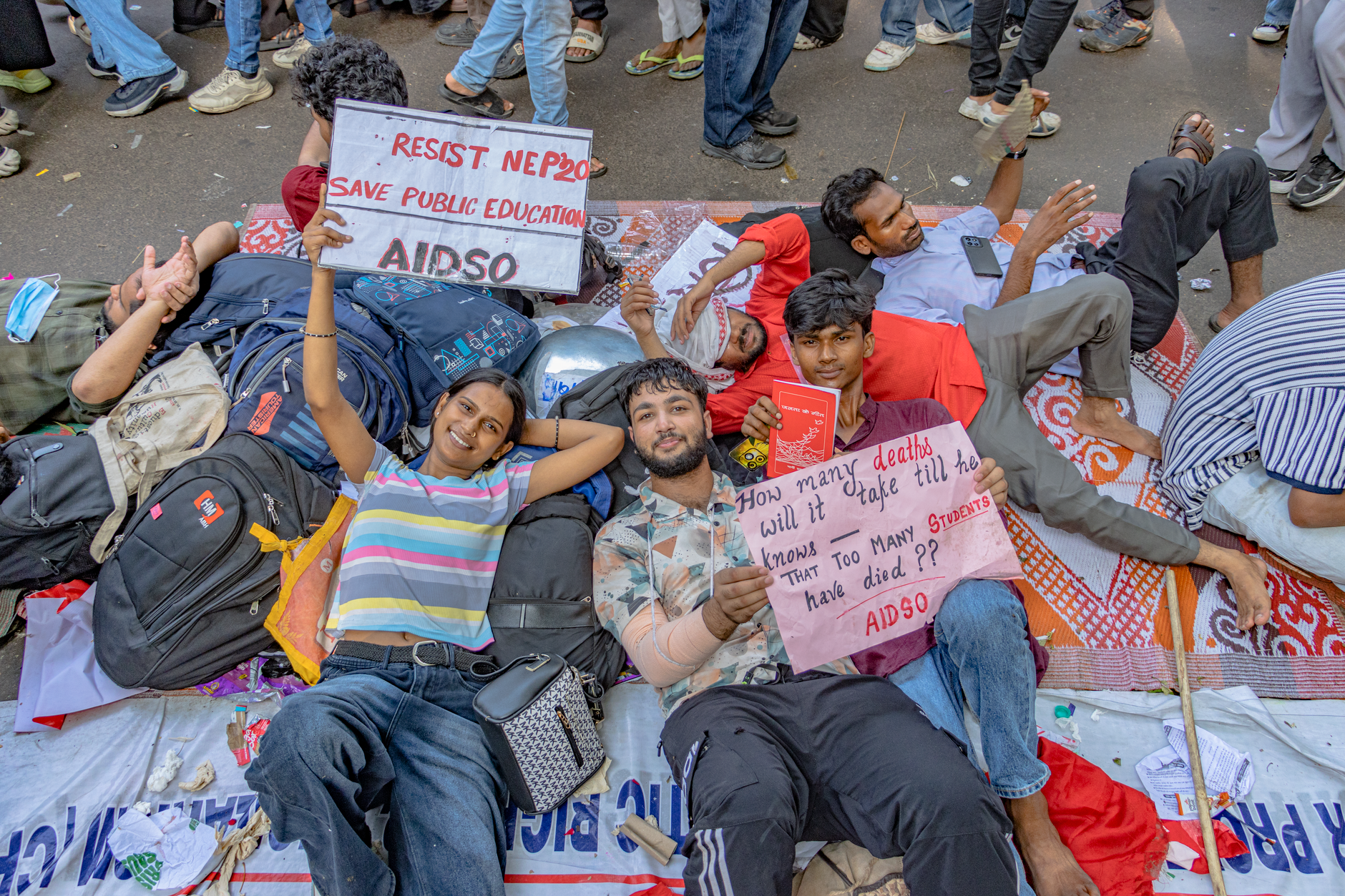
Student protests have long been a cornerstone of democratic expression in India, from the independence movement to the emergency period of the 1970s. Today, a new wave of campus activism is emerging, symbolized by what many are calling "cockroach protests" — demonstrations triggered by deplorable infrastructure conditions, including pest infestations, in hostels and educational facilities across the country.
These movements represent more than complaints about physical conditions. They signal a generation of students refusing to accept substandard educational environments and demanding accountability from institutions that have long operated with minimal oversight. From publicly funded universities to government-run schools, students are documenting poor sanitation, structural hazards, and inadequate facilities, using social media to amplify their voices beyond campus boundaries.
Why Infrastructure Matters in Education
The quality of physical infrastructure in educational institutions directly impacts learning outcomes and student wellbeing. Hostels with pest infestations, classrooms with leaking roofs, libraries without adequate lighting, and laboratories lacking basic equipment create environments where education becomes a struggle rather than an opportunity.
For many students, particularly those from economically disadvantaged backgrounds, hostel accommodation is not a luxury but a necessity. When these facilities fail to meet basic hygiene and safety standards, it affects their health, mental wellbeing, and academic performance. The symbolism of cockroaches and other pests represents a broader neglect — a system that has failed to prioritize the educational environment despite India's aspirations to become a global knowledge economy.
The Democratic Dimensions of Student Activism
Student protests serve multiple functions in a democratic society. They create spaces for young citizens to learn civic engagement, practice collective organizing, and hold institutions accountable. When students organize around concrete issues like infrastructure, they develop skills in negotiation, advocacy, and democratic participation that extend far beyond their immediate demands.
These movements also function as early warning systems for broader governance failures. Educational institutions are often microcosms of larger administrative challenges — budget mismanagement, corruption, lack of transparency, and unresponsive bureaucracy. When students successfully organize and demand change, they demonstrate that citizen action can produce results, potentially inspiring similar movements in other sectors.
Challenges Facing Student Protesters
Student activists often face significant obstacles. University administrations may respond to protests with disciplinary action rather than dialogue. Students can be labeled as troublemakers or anti-national, particularly when their demands challenge powerful interests. The fear of academic consequences or damage to future prospects can discourage many from participating in protests.
Additionally, institutional responses are sometimes performative rather than substantive. A fresh coat of paint or temporary pest control might address surface issues without tackling underlying problems like inadequate funding, poor maintenance systems, or lack of accountability mechanisms. Students must often maintain sustained pressure to achieve meaningful change.
The Broader Context of Educational Quality
These protests emerge against a backdrop of larger debates about educational quality in India. Despite significant expansion in access to education, concerns persist about learning outcomes, employability of graduates, research output, and international competitiveness of Indian institutions. While enrollment numbers have grown, investment in quality infrastructure and faculty development has often lagged behind.
The gap between elite institutions and the vast majority of educational facilities remains stark. Students at well-funded institutions enjoy world-class facilities, while those at under-resourced colleges struggle with basics. This inequality reinforces existing social hierarchies and limits the transformative potential of education.
Technology as an Amplifier
Social media has transformed how students organize and publicize their demands. Videos of pest-infested hostels, unsafe buildings, or contaminated food can go viral within hours, creating pressure on authorities to respond. This technological democratization means that issues previously confined to campus notice boards now reach national audiences, making it harder for institutions to ignore problems or suppress dissent.
Student activists are also using digital platforms to coordinate across institutions, sharing strategies and building solidarity networks. A successful protest at one university can inspire similar movements elsewhere, creating momentum for systemic change.
Looking Forward
The resurgence of student activism around basic infrastructure issues reflects both the depth of existing problems and the willingness of young Indians to demand better. These movements contribute to democratic vitality by demonstrating that organized citizens can challenge institutional failures and demand accountability.
For these protests to translate into lasting change, they must connect immediate demands with broader advocacy for increased educational funding, transparent governance, and participatory decision-making in educational institutions. The cockroach has become an unlikely symbol of democratic renewal — a reminder that even small voices, when organized collectively, can demand the dignified learning environments that all students deserve.