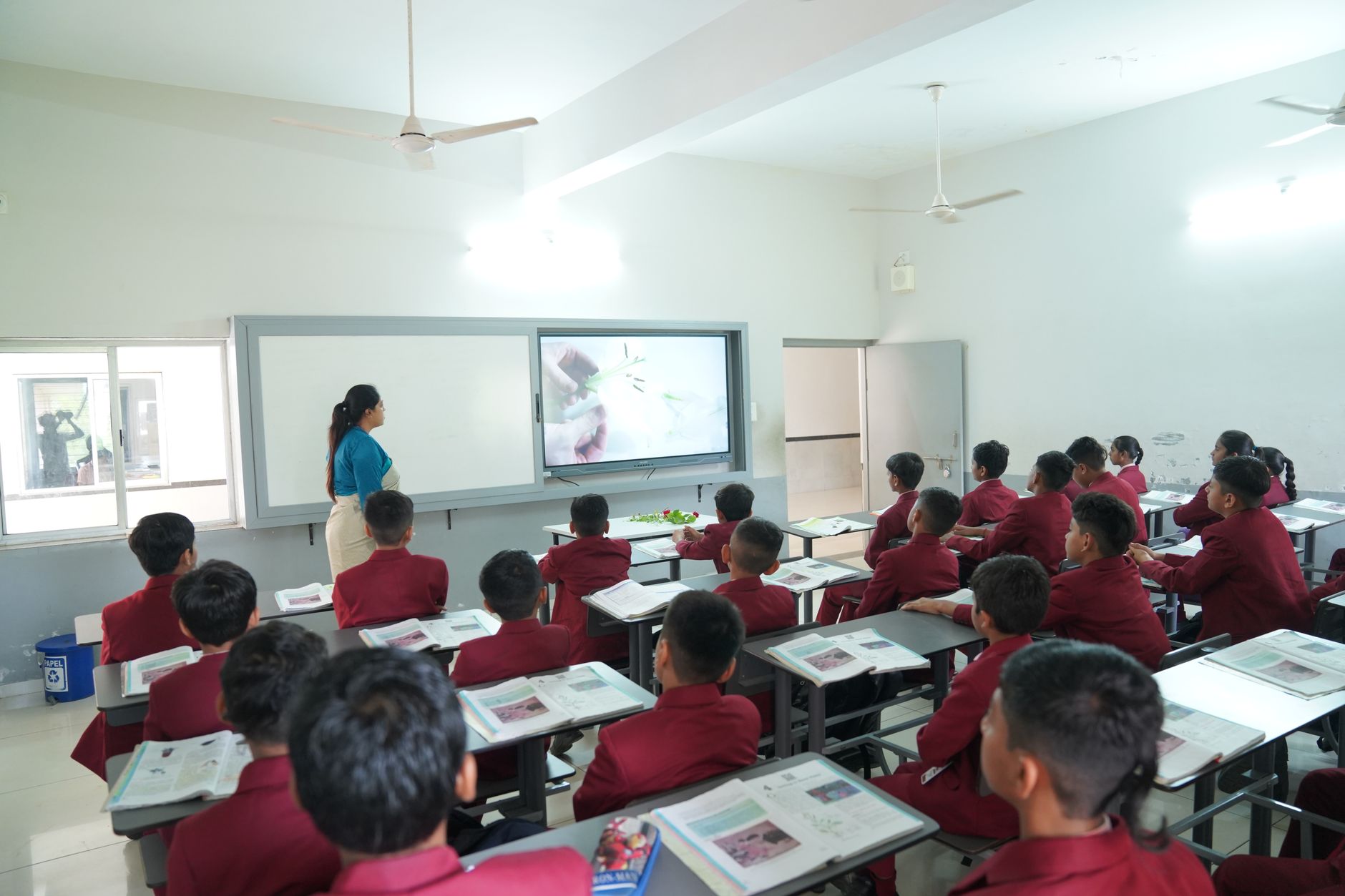
The Indian government's announcement to the Supreme Court regarding the introduction of comprehensive sex education in schools represents a major policy development in the country's education system. This move comes after years of debate about the necessity and appropriateness of formal sex education in Indian classrooms, and signals a progressive step toward equipping young people with essential knowledge about their bodies, relationships, and health.
Understanding Comprehensive Sex Education
Comprehensive sex education goes far beyond basic biological facts about reproduction. It encompasses a wide range of topics including puberty and physical development, reproductive health, contraception, sexually transmitted infections, consent, healthy relationships, gender equality, and emotional well-being. Unlike abstinence-only approaches, comprehensive programs provide age-appropriate, medically accurate information that helps young people make informed decisions about their health and relationships.
The curriculum typically adapts to different age groups, starting with basic concepts of body safety and personal boundaries for younger children, progressing to more detailed information about puberty and relationships for adolescents, and covering topics like contraception and disease prevention for older students.
Why This Change Matters Now
India has one of the world's largest youth populations, with millions of adolescents entering puberty each year. Despite this demographic reality, formal sex education has been limited or inconsistent across most Indian schools. Many young people currently receive their information from unreliable sources including peers, the internet, or popular media, which can lead to misconceptions and risky behaviors.
Statistics show that many Indian adolescents lack basic knowledge about reproductive health, menstruation, contraception, and sexually transmitted infections. This knowledge gap has real-world consequences, including unwanted pregnancies, unsafe abortions, and the spread of sexually transmitted diseases among young people.
Previous Attempts and Resistance
This is not India's first attempt at introducing sex education. The Adolescence Education Programme was launched in 2007 but faced significant opposition from various groups who argued it was against Indian culture and values. Several states either modified the curriculum substantially or withdrew from the program altogether.
Critics have historically raised concerns about sex education encouraging promiscuity, being inappropriate for Indian culture, or undermining parental authority. These objections have created a patchwork situation where some states and schools provide limited information while others provide none at all.
What Implementation May Look Like
While specific details of the new curriculum have not been fully disclosed, comprehensive sex education programs typically include several key components. Teacher training forms a crucial element, as educators need proper preparation to handle sensitive topics and student questions with confidence and accuracy.
The curriculum design must be culturally sensitive while remaining scientifically accurate, striking a balance between respecting diverse values and providing essential health information. Parental involvement and community engagement often help address concerns and build support for these programs.
Potential Benefits for Students
Research from countries with established comprehensive sex education programs shows numerous positive outcomes. Students gain accurate information that helps them make healthier choices, delay sexual activity, and use protection when they do become sexually active. The education also promotes gender equality by addressing topics like consent, respect in relationships, and challenging harmful gender stereotypes.
Beyond sexual health, these programs often improve students' ability to recognize and report abuse, understand bodily autonomy, and develop healthier relationship patterns throughout their lives.
Challenges Ahead
Implementing this policy nationwide will require substantial effort. India's educational landscape is diverse, with significant differences between urban and rural schools, government and private institutions, and various state education boards. Ensuring consistent quality and coverage across this varied terrain presents logistical challenges.
Training enough qualified teachers, developing appropriate materials in multiple languages, and securing sustained funding will all be necessary for successful implementation. Building community acceptance and addressing parental concerns through transparent communication will be equally important.
Looking Forward
The government's commitment to the Supreme Court suggests that implementation may proceed despite potential opposition. Success will depend on thoughtful curriculum development, adequate resource allocation, and sustained political will. As other countries have demonstrated, comprehensive sex education can be implemented in culturally diverse settings when programs are well-designed and stakeholders are properly engaged.
This development represents recognition that young people deserve accurate information about their bodies and health, and that such knowledge is a crucial component of overall education and well-being.