Indian healthcare has taken a significant leap forward with the introduction of a groundbreaking blood-based multi-cancer detection test through Dr Dangs Lab in partnership with Guardant Health. This development marks a crucial advancement in cancer screening technology, potentially transforming how the disease is detected and diagnosed across the country.
Understanding Multi-Cancer Detection Technology
Traditional cancer screening has typically required different tests for different cancer types, often involving invasive procedures or organ-specific imaging. Multi-cancer detection tests represent a paradigm shift by analyzing blood samples for biomarkers that indicate the presence of various cancers simultaneously. These tests typically examine circulating tumor DNA or other cancer-related signals in the bloodstream, offering a less invasive and more comprehensive approach to screening.
The technology behind these tests uses advanced genomic sequencing and artificial intelligence to identify patterns associated with cancer. When cancer cells die, they release fragments of DNA into the bloodstream. These fragments carry specific mutations or methylation patterns that can signal the presence of cancer, sometimes even before symptoms appear.
Why This Matters for India
India faces a growing cancer burden, with over 1.4 million new cancer cases diagnosed annually. Late-stage detection remains a critical challenge, with many cancers discovered only after symptoms become severe. Early detection significantly improves survival rates across most cancer types, making accessible screening tools vital for public health.
The introduction of blood-based multi-cancer tests addresses several key challenges in the Indian healthcare landscape:
- Accessibility: A simple blood test can be performed at diagnostic centers without requiring specialized imaging facilities
- Cost-effectiveness: Potentially reduces the need for multiple separate screening tests
- Patient compliance: Less invasive procedures encourage more people to undergo regular screening
- Early intervention: Detection at earlier stages when treatment is more effective and less expensive
How the Test Works
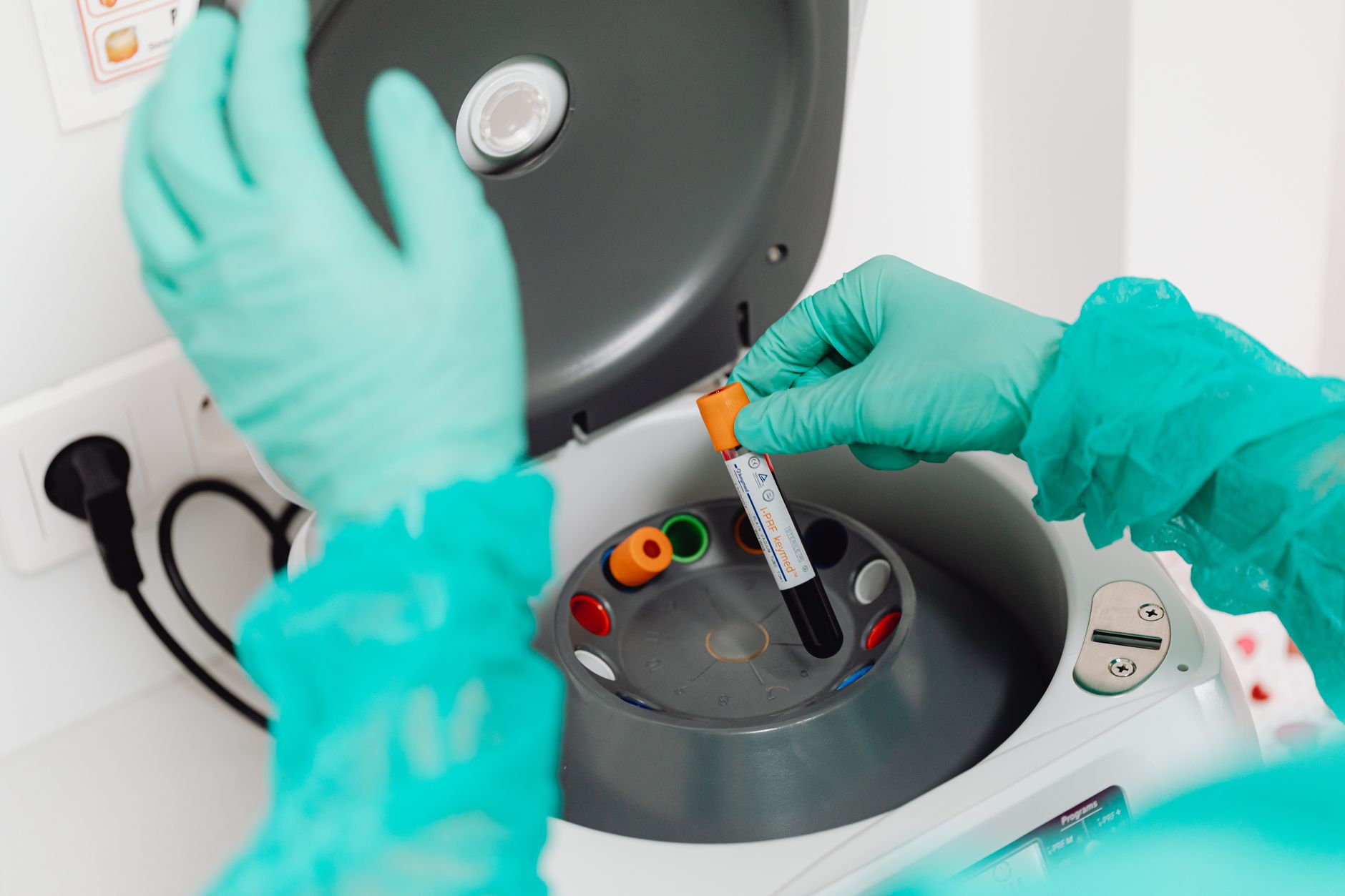
Blood-based multi-cancer detection tests typically involve a straightforward process. A healthcare provider draws a blood sample from the patient, which is then sent to a laboratory for analysis. The sample undergoes advanced genomic testing to identify signals associated with various cancer types.
These tests can potentially detect dozens of different cancer types, including some of the most deadly forms such as pancreatic, ovarian, and esophageal cancers that lack effective standard screening methods. The test results indicate whether cancer signals were detected and may provide information about the likely tissue of origin.
Important Considerations
While multi-cancer detection tests represent exciting progress, they are not intended to replace all traditional screening methods. Tests like mammograms, colonoscopies, and Pap smears remain important for specific cancer types where they have proven effectiveness.
These blood tests are typically recommended for adults at higher risk due to age or other factors. They work best as part of a comprehensive healthcare strategy that includes regular check-ups, healthy lifestyle choices, and established screening protocols.
False positives and false negatives remain possibilities with any screening test. A positive result requires follow-up diagnostic procedures to confirm cancer presence and determine appropriate treatment. Conversely, a negative result does not guarantee the absence of cancer, particularly in very early stages.
The Road Ahead
The availability of advanced cancer detection technology through established diagnostic laboratories like Dr Dangs Lab represents progress in democratizing access to cutting-edge healthcare. As these technologies become more refined and widely available, they may help shift cancer care toward prevention and early intervention rather than late-stage treatment.
The collaboration between Indian diagnostic laboratories and international biotech companies also signals growing integration of global healthcare innovations into the Indian market. This trend could accelerate the availability of other advanced diagnostic tools and treatments for Indian patients.
For patients and healthcare providers, the introduction of multi-cancer detection tests opens new possibilities for proactive health management. However, careful consultation with qualified healthcare professionals remains essential to determine appropriate screening strategies based on individual risk factors, family history, and overall health status.
This article is for general information purposes only and should not be considered medical advice. Decisions regarding cancer screening should be made in consultation with qualified healthcare professionals who can assess individual risk factors and recommend appropriate testing strategies.