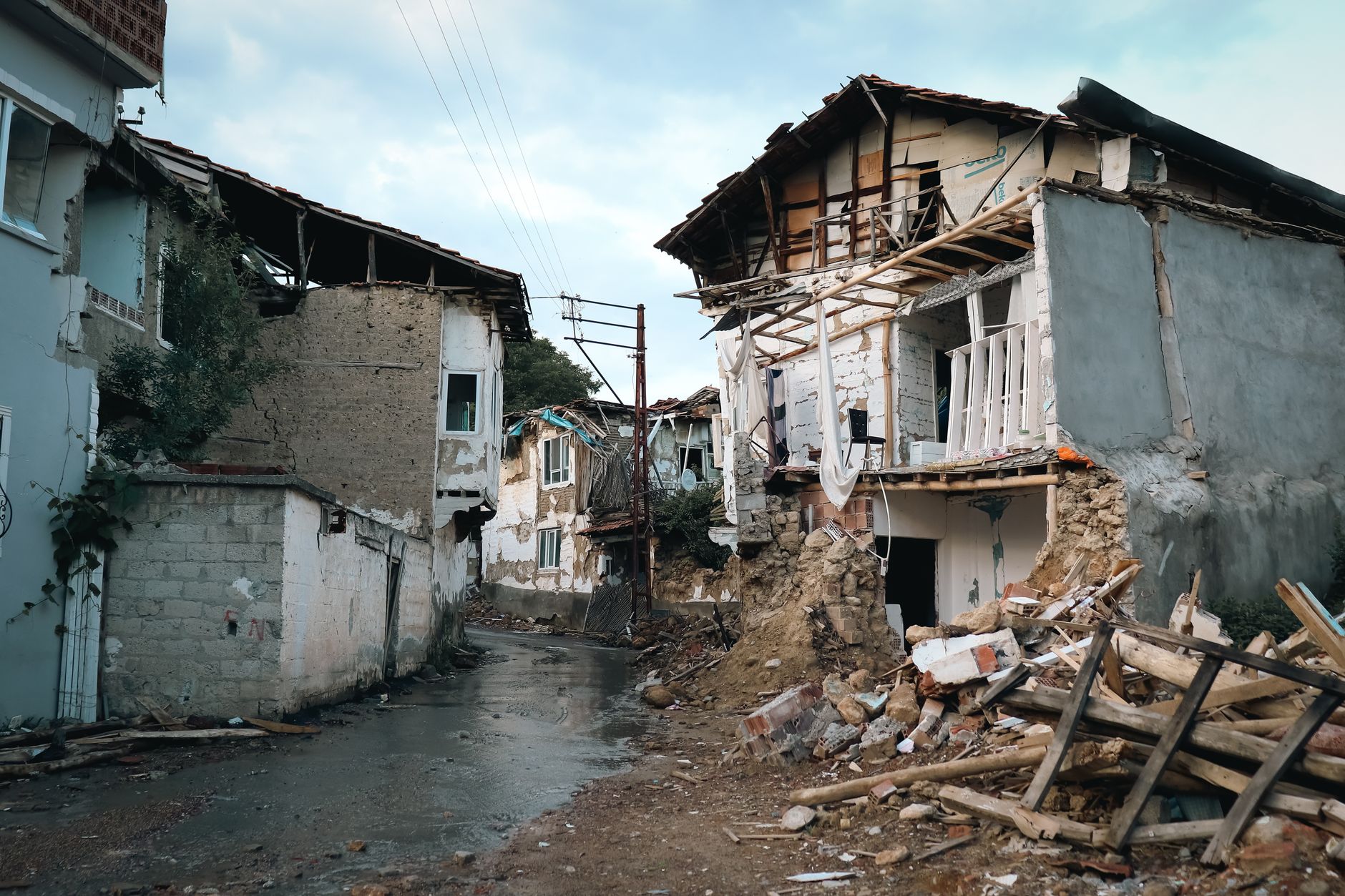
When earthquakes strike, the immediate danger from collapsing structures is only the beginning of a public health challenge. The aftermath of seismic events creates a cascade of health risks that can persist for weeks or months, affecting both survivors and rescue workers. Understanding these hazards is crucial for effective disaster preparedness and response.
The Dust Hazard
Collapsed buildings generate enormous amounts of dust composed of concrete particles, silica, asbestos, and other construction materials. This airborne particulate matter poses serious respiratory risks, particularly for people with pre-existing conditions like asthma or chronic obstructive pulmonary disease.
Short-term exposure can cause immediate symptoms including coughing, throat irritation, and difficulty breathing. However, the long-term consequences of inhaling dust containing silica or asbestos fibres are even more concerning, potentially leading to silicosis, lung cancer, or mesothelioma years after exposure.
Rescue workers and residents returning to damaged areas face the highest exposure levels. Without proper protective equipment like N95 masks or respirators, these individuals inhale dangerous particles with every breath in the debris-filled environment.
Contaminated Water Sources
Earthquakes frequently damage water infrastructure, breaking pipes and contaminating supplies with sewage, chemicals, and debris. When clean water becomes scarce, communities face an immediate crisis that extends far beyond thirst.
Waterborne diseases multiply rapidly in post-earthquake conditions. Cholera, typhoid fever, hepatitis A, and various diarrhoeal illnesses spread quickly when people consume contaminated water or use it for cooking and hygiene. Children and elderly individuals are particularly vulnerable to severe dehydration from these infections.
Stagnant water pools created by infrastructure damage also become breeding grounds for mosquitoes, potentially triggering outbreaks of dengue fever, malaria, or other vector-borne diseases depending on the region's endemic disease profile.
Debris-Related Injuries and Infections
The physical environment following an earthquake becomes treacherous. Displaced populations navigating through rubble face constant risks of cuts, puncture wounds, and crush injuries. These wounds, when exposed to contaminated soil and water, become entry points for serious infections.
Tetanus poses a significant threat in disaster zones where vaccination coverage may be incomplete. The bacteria that causes tetanus thrives in soil and can enter the body through even minor wounds. Without prompt treatment, tetanus infections can be fatal.
Wound infections from bacteria like Clostridium perfringens can lead to gas gangrene, requiring immediate medical intervention including antibiotics and sometimes amputation. Fungal infections also become more common in warm, humid environments where hygiene facilities are limited.
Overcrowding and Disease Transmission
Displaced populations typically gather in temporary shelters or relief camps where overcrowding facilitates rapid disease transmission. Respiratory infections like influenza, tuberculosis, and more recently COVID-19, spread easily in these conditions.
Poor sanitation in overcrowded settings creates ideal conditions for faecal-oral disease transmission. Measles outbreaks can occur rapidly among unvaccinated children in close quarters. Skin infections and lice infestations also become common problems affecting camp residents' health and dignity.
Mental Health Crisis
The psychological toll of earthquakes represents an often-overlooked health crisis. Survivors face trauma from losing loved ones, homes, and livelihoods. Acute stress reactions, post-traumatic stress disorder, depression, and anxiety disorders can emerge immediately or develop over time.
Children are especially vulnerable to psychological impacts, potentially experiencing developmental setbacks and long-term emotional difficulties. Access to mental health services becomes critical during recovery but is frequently inadequate or absent.
Protective Measures
Several strategies can mitigate these health risks during earthquake recovery:
- Distribute protective masks and safety equipment to rescue workers and affected populations
- Establish clean water distribution points and water purification systems immediately
- Implement disease surveillance systems to detect outbreaks early
- Provide tetanus vaccinations and wound care facilities
- Ensure adequate sanitation facilities in temporary shelters
- Deploy mobile health clinics to reach affected communities
- Integrate mental health support into relief operations
- Educate communities about hygiene practices and disease prevention
The health crisis following earthquakes demonstrates why disaster preparedness must extend beyond immediate rescue operations. Building resilient public health infrastructure, stockpiling medical supplies, and training emergency responders in disease prevention can significantly reduce the secondary health impacts of natural disasters.
This article is for general informational purposes only and does not constitute medical advice. Individuals in disaster-affected areas should follow guidance from local health authorities and seek professional medical attention for injuries or illnesses.