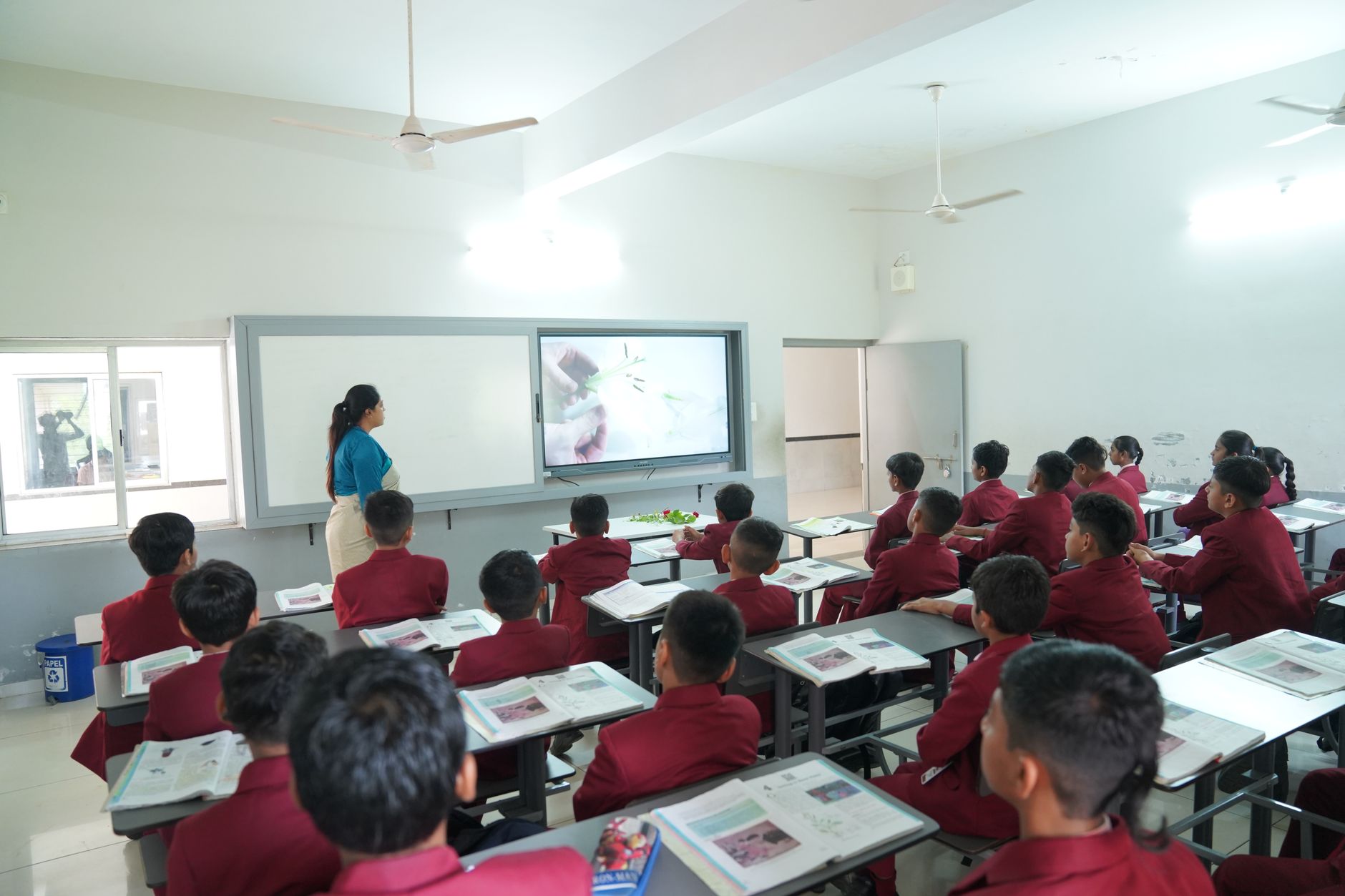
The Union government has announced major bureaucratic changes in the Ministry of Education, bringing in two new secretaries to lead critical divisions while reassigning senior bureaucrat Vineet Joshi to the Ministry of Panchayati Raj. This administrative reshuffle reflects the government's ongoing efforts to bring fresh perspectives to India's education sector, which is undergoing significant reforms and policy implementations.
Understanding the Administrative Structure
The Ministry of Education is one of India's largest and most complex administrative bodies, overseeing everything from primary education to higher learning institutions. The ministry typically has multiple secretaries and additional secretaries handling different departments, including school education, higher education, and technical education. These senior bureaucrats play crucial roles in policy formulation, implementation of national education schemes, and coordination with state governments.
Secretaries at this level are responsible for translating ministerial vision into actionable programs, managing substantial budgets allocated for educational initiatives, and ensuring that flagship schemes reach their intended beneficiaries across the country's vast and diverse educational landscape.
Vineet Joshi's Tenure and Contributions
Vineet Joshi has been a prominent figure in India's education administration, having served in various capacities within the education ministry. Senior bureaucrats like Joshi typically bring decades of experience in policy planning and program implementation. During such tenures, education secretaries oversee numerous initiatives ranging from digital education programs to skill development schemes and regulatory frameworks for educational institutions.
His transfer to the Ministry of Panchayati Raj represents a strategic deployment of experienced administrators to strengthen grassroots governance. The panchayati raj ministry plays a vital role in rural development and local self-governance, areas that often intersect with education delivery at the village and district levels.
The Significance of Fresh Appointments
The appointment of two new secretaries to the education ministry comes at a crucial time when India is implementing several transformative educational policies. The National Education Policy 2020 requires sustained bureaucratic attention to translate its ambitious vision into ground-level reality. From revamping curriculum frameworks to establishing multidisciplinary universities and reforming examination systems, the ministry faces numerous implementation challenges.
Fresh leadership often brings new energy and perspectives to address persistent challenges such as:
- Improving learning outcomes in government schools
- Bridging the digital divide in education access
- Enhancing the quality of teacher training programs
- Strengthening vocational education and skill development
- Expanding access to quality higher education in tier-2 and tier-3 cities
- Implementing reforms in regulatory mechanisms for educational institutions
Impact on Ongoing Educational Initiatives
Such administrative changes typically aim to maintain momentum in ongoing programs while potentially introducing course corrections based on evolving priorities. The education ministry currently manages several major initiatives including the Samagra Shiksha Scheme, PM POSHAN (formerly mid-day meal scheme), digital education platforms, and various scholarship programs for students from disadvantaged backgrounds.
New secretaries will need to quickly familiarize themselves with these complex programs, understand implementation bottlenecks, and work with state governments to ensure seamless delivery of educational services. The continuity of these programs during leadership transitions is crucial, as any disruption can affect millions of students and thousands of educational institutions.
Bureaucratic Reshuffles and Policy Continuity
Regular transfers and postings of senior bureaucrats are standard practice in Indian administration, designed to prevent stagnation and bring diverse experiences to different ministries. However, critics sometimes argue that frequent changes in leadership can disrupt long-term planning and institutional memory.
The success of these appointments will ultimately be measured by how effectively the new secretaries can:
- Accelerate pending reforms and policy implementations
- Address systemic challenges in India's education system
- Foster innovation in teaching and learning methodologies
- Strengthen coordination between central and state education departments
- Ensure efficient utilization of allocated budgets
As these new administrators take charge, the education sector will watch closely to see what strategic priorities emerge and how they navigate the complex challenges of transforming India's vast educational ecosystem to meet 21st-century demands.