India's education sector has witnessed a remarkable shift in student activism, with Generation Z leading protests that blend rigorous data analysis with passionate advocacy. Unlike previous generations of student protesters, these digital natives are armed with statistics, social media savvy, and a determination to reform an education system they believe is outdated and inequitable.
The New Face of Student Activism
Gen Z, broadly defined as those born between 1997 and 2012, represents India's first truly digital-native generation. Their approach to protesting educational issues reflects this upbringing. Rather than relying solely on emotional appeals or traditional sloganeering, these young activists arrive at demonstrations equipped with research papers, statistical evidence, and carefully curated social media campaigns that amplify their message across multiple platforms simultaneously.
The protests have focused on several key educational concerns, from examination reforms and mental health support to infrastructure inadequacies and the need for curriculum modernization. What sets these demonstrations apart is the methodical presentation of data showing achievement gaps, stress-related health issues among students, and comparative analyses with global educational standards.
Data-Driven Demands
Today's student protesters have transformed advocacy into an evidence-based exercise. They cite dropout rates, suicide statistics among students, unemployment figures for graduates, and international education rankings to support their demands. This approach has made it harder for authorities to dismiss their concerns as youthful idealism or misinformed rebellion.
Social media platforms serve as both organizing tools and documentation archives. Students livestream protests, share infographics breaking down complex policy issues, and create viral content that educates the broader public about systemic problems in Indian education. The hashtag campaigns they generate often trend nationally, forcing mainstream media and policymakers to take notice.
Key Issues Driving the Movement
The examination system remains a primary target of criticism. Gen Z protesters argue that high-stakes board exams create unnecessary pressure and fail to assess genuine learning or critical thinking skills. They point to data showing correlation between exam seasons and spikes in student anxiety, even tragedy.
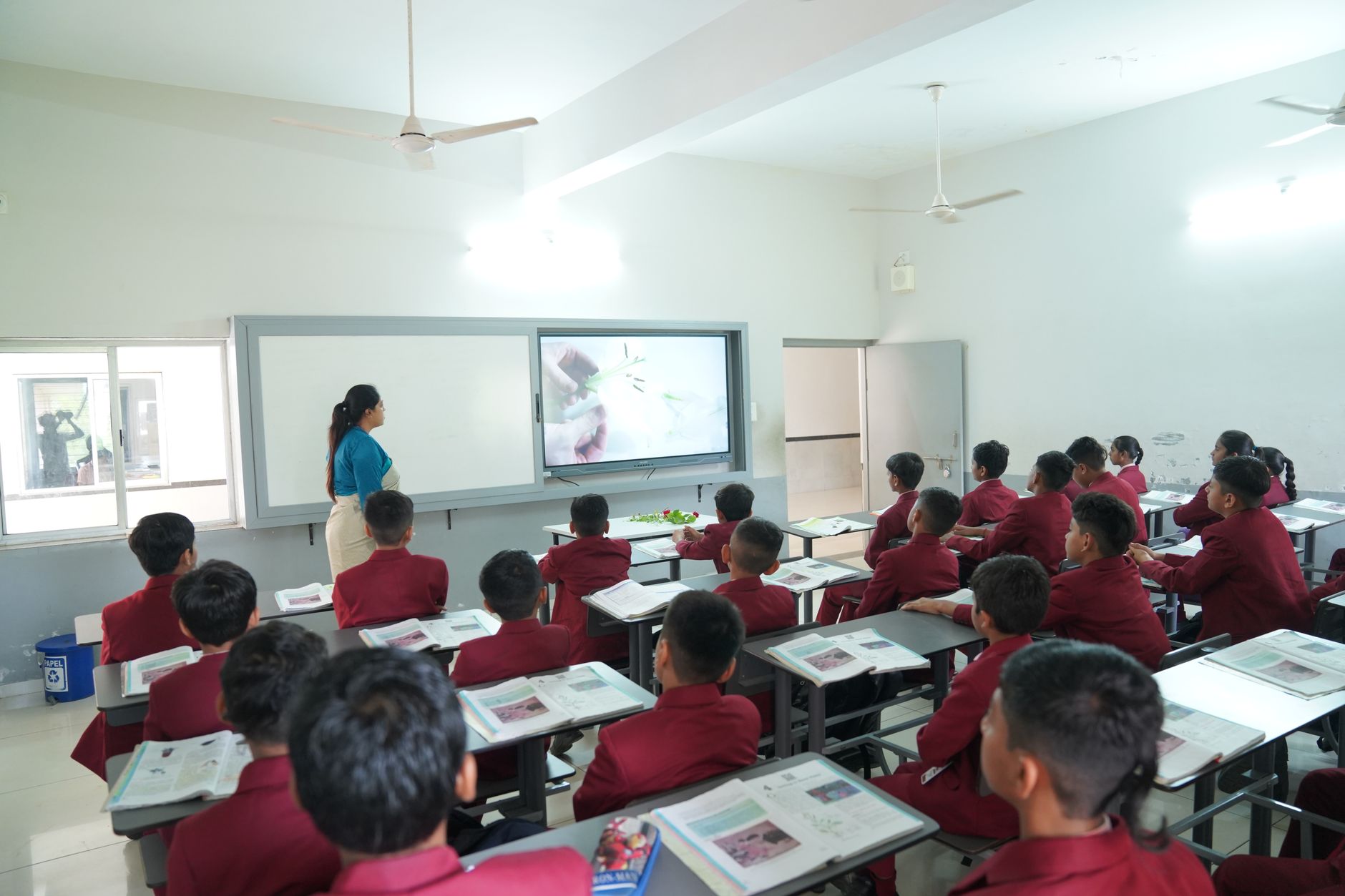
Infrastructure and resource allocation have also emerged as major concerns. Students document overcrowded classrooms, inadequate laboratory facilities, and lack of digital infrastructure through photographs and videos that go viral, creating public pressure for government action.
Mental health support has become perhaps the most emotionally resonant issue. This generation speaks openly about anxiety, depression, and burnout in ways previous cohorts rarely did publicly. They demand counseling services, reduced academic pressure, and systemic changes that prioritize wellbeing alongside achievement.
The Warm Spirit Behind Cold Facts
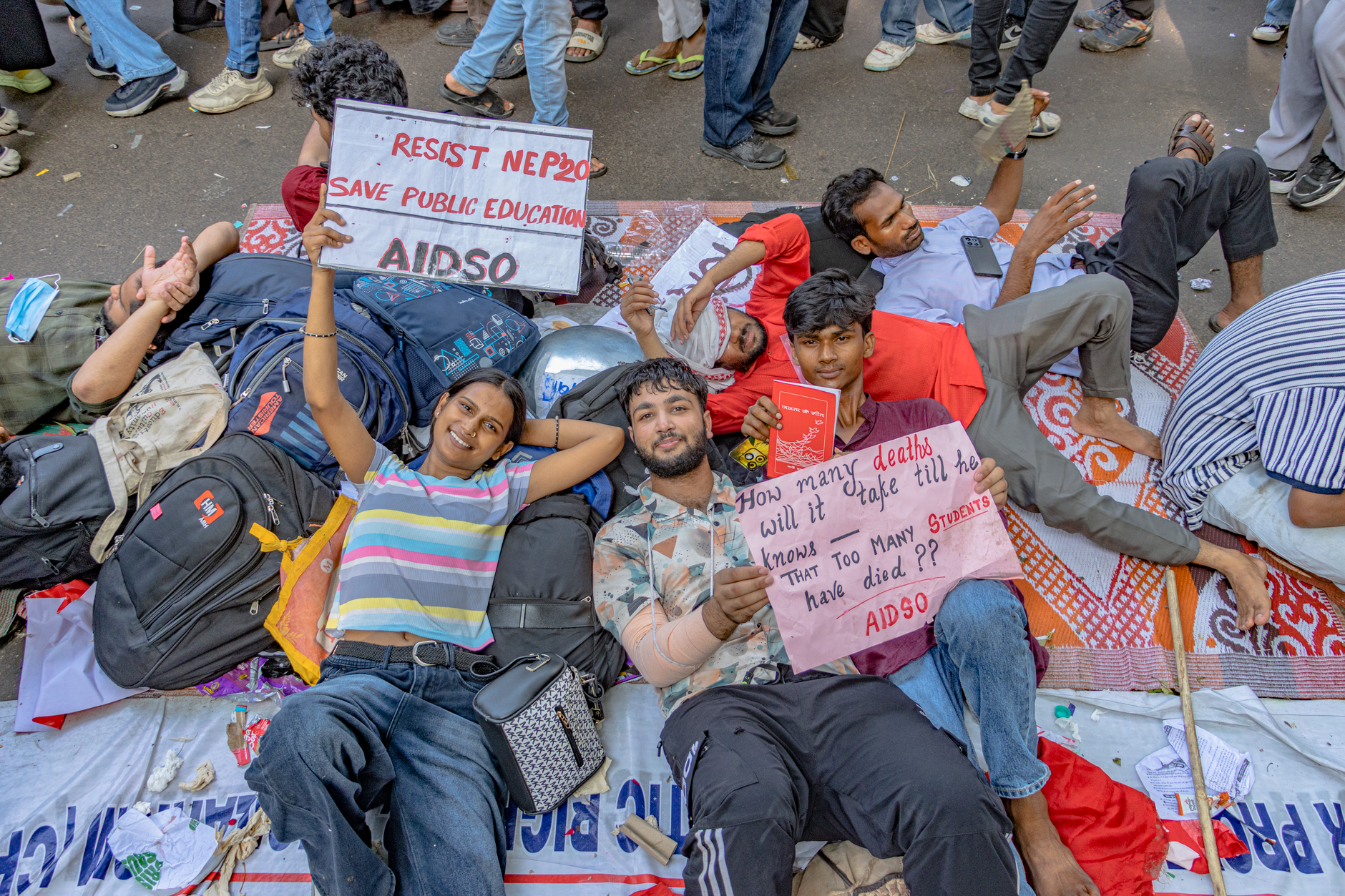
Despite their data-centric approach, these protests retain remarkable warmth and creativity. Students organize peaceful sit-ins, create art installations highlighting educational inequities, and use music and theater to communicate their message. The combination of hard statistics and cultural expression has proven particularly effective at engaging diverse audiences.
Community building distinguishes these movements from earlier activism. Protesters emphasize solidarity across class, caste, and regional divides, recognizing that educational problems affect students differently but ultimately harm society collectively. This inclusive approach has broadened their support base significantly.
Impact and Response
The protests have yielded tangible results in some regions, with state governments announcing exam reforms, mental health initiatives in schools, and infrastructure investments. Several universities have revised policies on attendance, examinations, and student grievance redressal following sustained student pressure.
However, challenges remain. Some authorities have responded with skepticism or resistance, dismissing protesters as distracted from their studies. Others have engaged constructively, forming committees that include student representatives to review educational policies.
The Broader Implications
This wave of Gen Z activism signals a fundamental shift in how young Indians engage with institutional systems. Their comfort with technology, expectation of transparency, and insistence on evidence-based policymaking reflects values that will likely influence Indian society long after they leave educational institutions.
The movement also highlights generational differences in communication and advocacy. While older generations often relied on hierarchical organizations and behind-the-scenes negotiations, Gen Z prefers horizontal networks and public campaigns that democratize information and decision-making.
The education protests represent more than demands for immediate reforms. They constitute a redefinition of citizenship itself, with young people asserting their right to shape systems that affect their lives rather than simply enduring them until adulthood grants them formal political power.