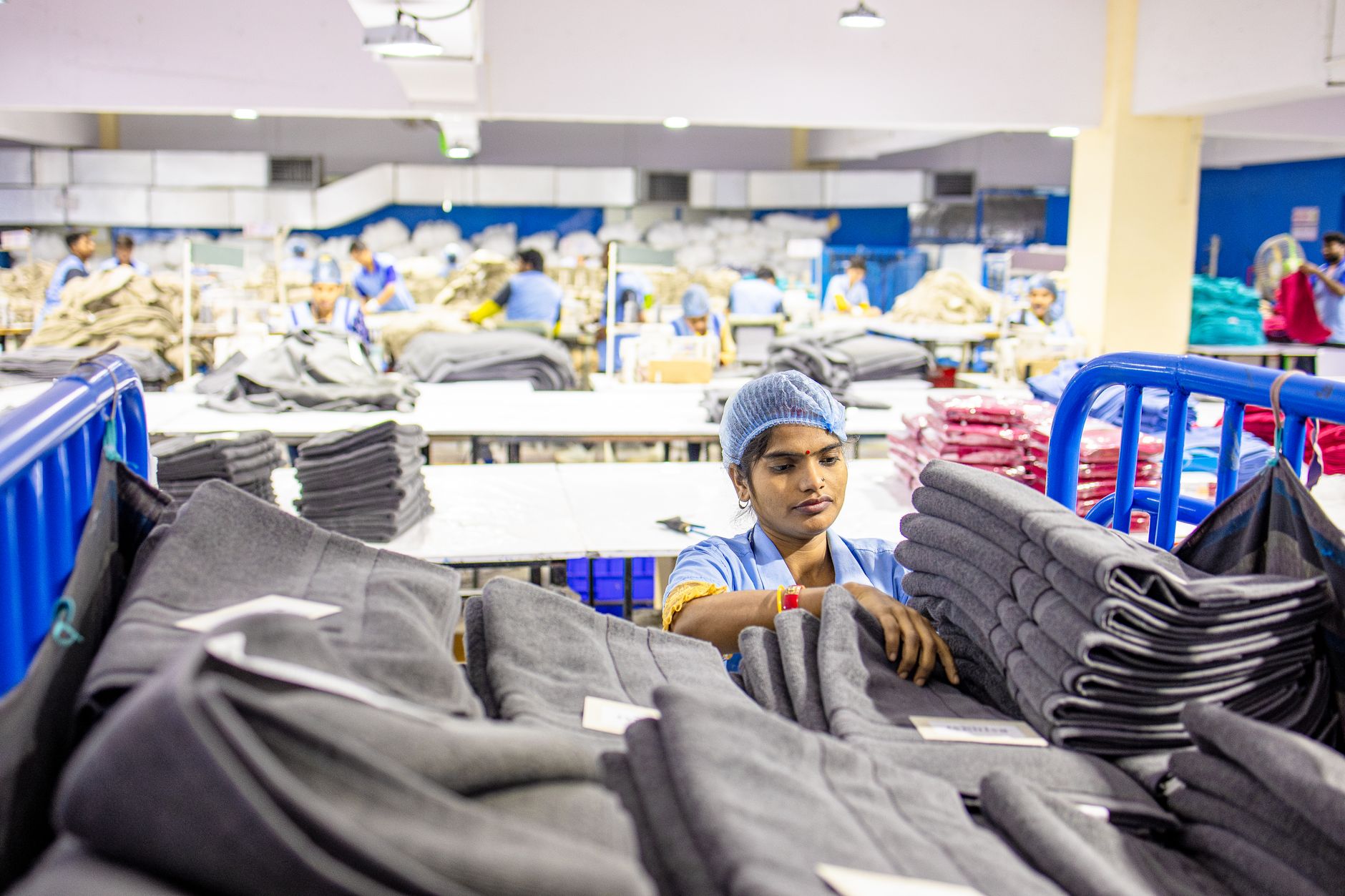
The rapid advancement of generative artificial intelligence has sparked widespread discussion about its potential impact on employment across the globe. Recent projections suggest that India's job market may face significant disruption, with estimates indicating that up to 12% of non-farm jobs could be susceptible to replacement by GenAI technologies in the coming years.
Understanding the Scale of Potential Disruption
India's non-farm sector encompasses a vast array of jobs across services, manufacturing, and technology industries. A 12% displacement would affect millions of workers, particularly those in roles involving routine cognitive tasks, data entry, customer service, content creation, and basic analytical functions. The projection highlights how GenAI's capabilities in natural language processing, code generation, and pattern recognition are advancing rapidly enough to perform tasks traditionally requiring human intelligence.
The estimate focuses specifically on non-farm employment because agricultural work typically involves physical labor and situational decision-making that current AI technology cannot easily replicate. However, office-based roles, administrative positions, and certain professional services are increasingly vulnerable to automation through sophisticated AI systems.
Which Sectors Face the Highest Risk
Certain industries appear more exposed to GenAI disruption than others. Business process outsourcing, a significant employment generator in India, faces considerable risk as AI chatbots and automated systems become capable of handling customer queries, data processing, and routine administrative tasks.
The technology sector itself presents a paradox. While IT services employ millions of Indians, many entry-level and repetitive coding tasks could be automated through AI-powered development tools. Content creation, including copywriting, basic journalism, and social media management, also faces potential displacement as generative AI produces increasingly sophisticated text, images, and videos.
Financial services, legal research, and basic accounting functions represent additional areas where GenAI could reduce human workforce requirements. However, complex decision-making, relationship management, and strategic planning roles remain largely insulated from immediate AI replacement.
The Other Side: Job Creation and Transformation
While displacement figures capture headlines, they represent only part of the story. Historical technological revolutions have consistently created new categories of employment while eliminating others. GenAI is expected to generate demand for AI trainers, prompt engineers, AI ethics specialists, and professionals who can integrate AI systems into business workflows.
Many existing roles will transform rather than disappear entirely. Workers who adapt by learning to leverage AI as a productivity tool may find themselves more valuable rather than obsolete. For instance, designers who use AI to accelerate ideation, analysts who employ AI for data processing, or customer service professionals who handle complex issues escalated beyond AI capabilities.
The technology sector may actually expand overall employment as businesses invest in AI infrastructure, cybersecurity, and custom AI solutions. India's strong technical education system positions the country well to supply talent for these emerging roles.
Preparing for the Transition
The projected timeline for this disruption varies, with most estimates suggesting significant impacts will unfold over the next 5-10 years rather than immediately. This window provides opportunities for workers, educators, and policymakers to prepare.
Reskilling and upskilling initiatives will become critical. Workers in vulnerable positions should consider developing skills that complement rather than compete with AI, such as creative problem-solving, emotional intelligence, complex communication, and strategic thinking. Technical literacy, including basic understanding of how AI systems work, will increasingly become a baseline requirement across professions.
Educational institutions face pressure to revise curricula, emphasizing critical thinking, adaptability, and human-centric skills that AI cannot easily replicate. Collaboration between industry and academia can help ensure training programs align with evolving market needs.
Policy and Economic Implications
Government policy will play a crucial role in managing this transition. Social safety nets, retraining programs, and potentially new frameworks for employment regulation may be necessary to prevent widespread economic disruption. India's large informal sector adds complexity, as many workers lack access to formal reskilling programs or unemployment benefits.
From an economic perspective, increased AI adoption could boost productivity and competitiveness, potentially creating wealth that funds new industries and job categories. However, ensuring this wealth translates into broad-based employment rather than concentrating among AI owners and operators remains a central challenge.
The 12% figure should be viewed as an estimate rather than a certainty, as actual outcomes will depend on adoption rates, regulatory responses, and how effectively society manages the transition. While concerns about job displacement are legitimate, history suggests that technological advancement, when properly managed, can ultimately expand rather than contract overall employment opportunities.