The Growing Role of CSR in Education
Corporate Social Responsibility has emerged as a powerful tool for social transformation in India, particularly in the education sector. Since the Companies Act 2013 mandated that qualifying companies spend at least 2% of their average net profits on CSR activities, billions of rupees have been channeled into various developmental initiatives. Education remains one of the most popular focus areas, accounting for nearly 30-35% of total CSR spending across Indian corporations.
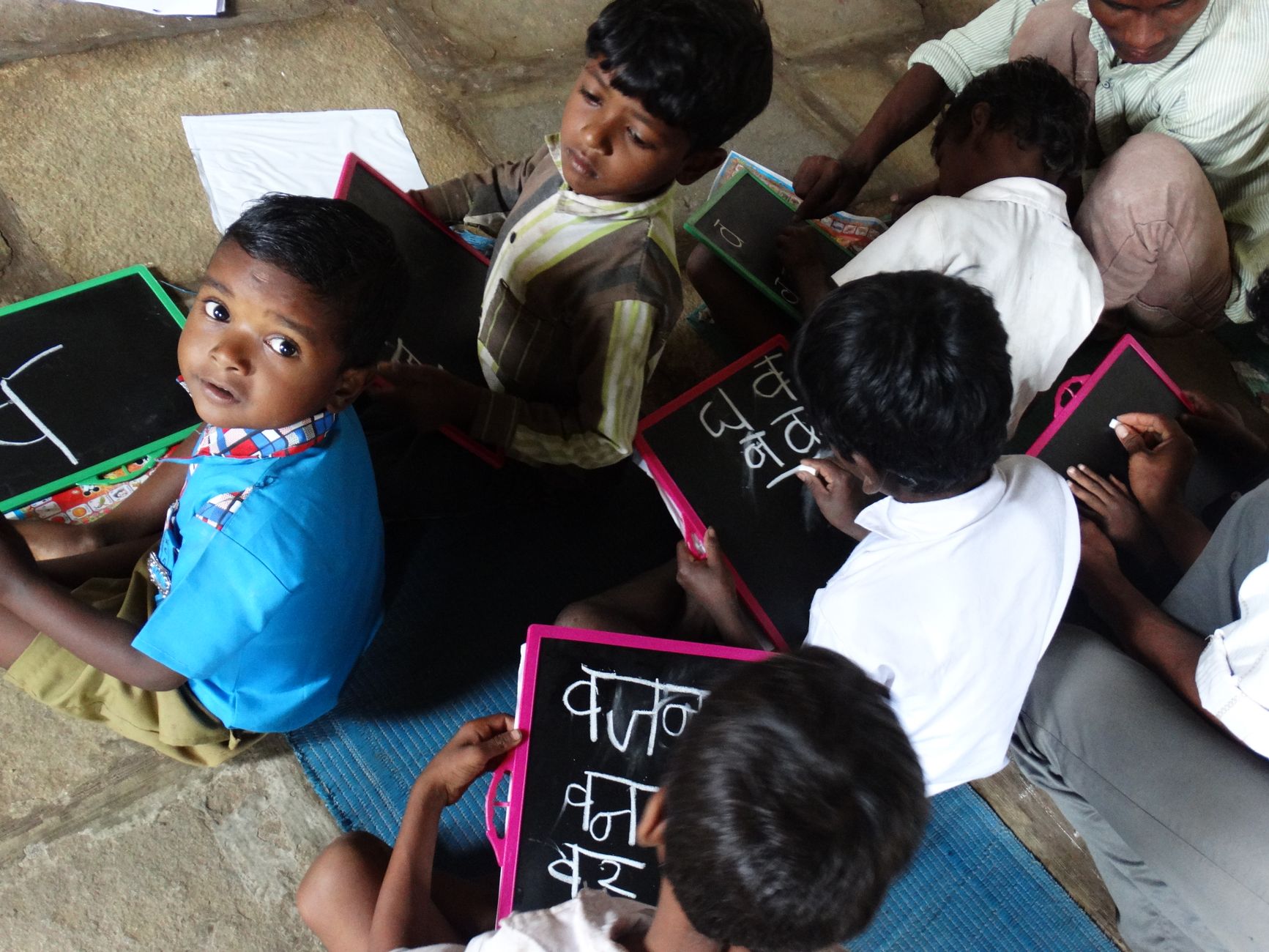
Rural schools face multiple challenges that CSR initiatives are uniquely positioned to address. These include inadequate infrastructure, lack of digital learning tools, shortage of trained teachers, insufficient learning materials, and high dropout rates. While government schemes provide foundational support, the scale of need often exceeds available resources, creating opportunities for meaningful corporate intervention.
Why Companies Partner with Foundations
Corporations increasingly prefer working with established NGOs and foundations rather than implementing programmes independently. This partnership model offers several advantages. Foundations bring ground-level expertise, existing community relationships, and operational experience in navigating local challenges. They can identify genuine needs, ensure effective implementation, and provide ongoing monitoring that corporate teams may lack the bandwidth to deliver.
This collaborative approach also ensures sustainability. While companies provide financial resources and sometimes technical expertise, foundations contribute program design, community mobilization, and long-term commitment to specific geographies. This combination often yields better outcomes than either party could achieve alone.
Common CSR Education Interventions in Rural Areas
Corporate education initiatives typically focus on several key areas:
- Infrastructure development including classroom construction, toilet facilities, drinking water systems, and boundary walls
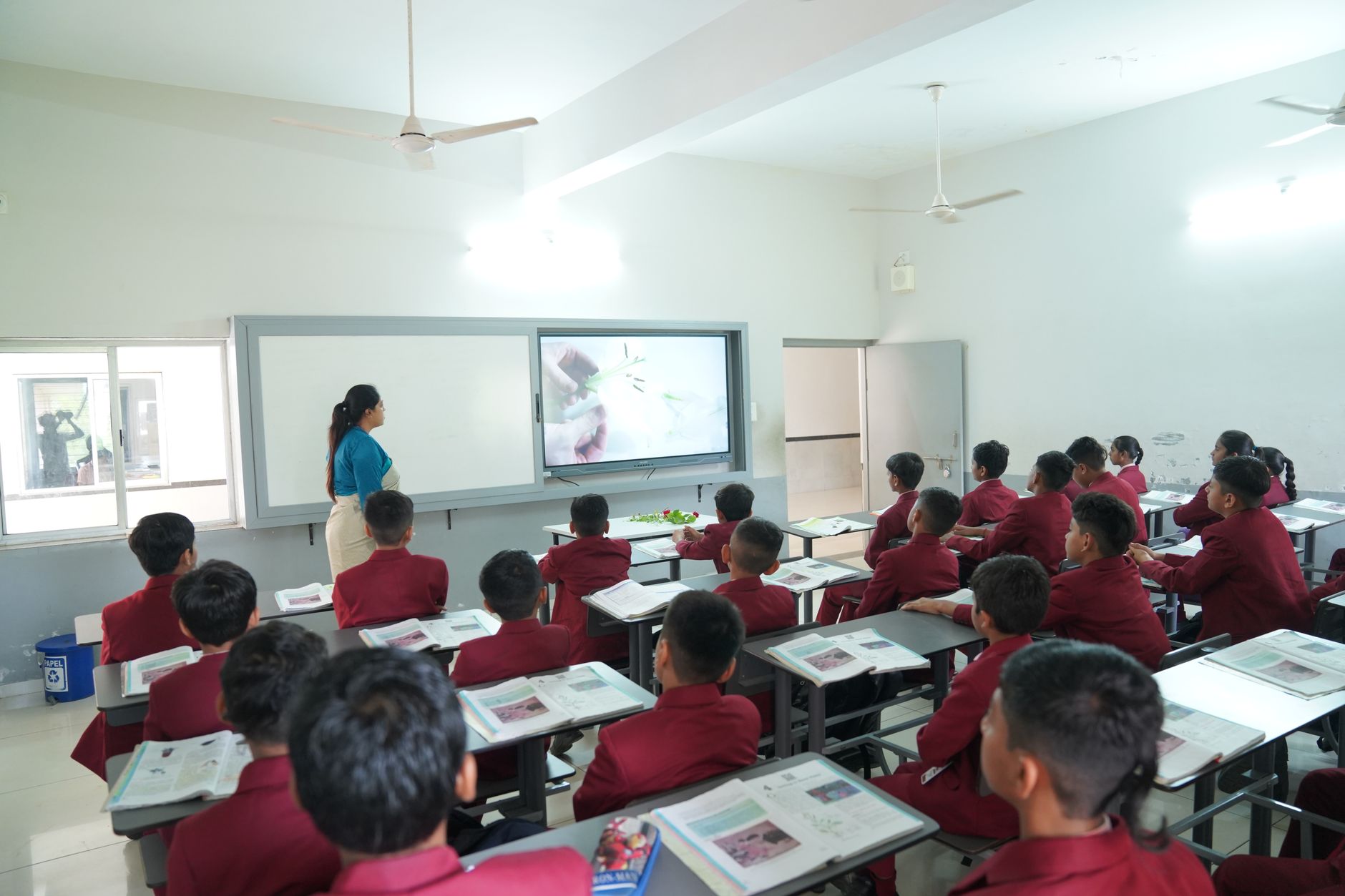
- Digital learning tools such as computer labs, smart classrooms, tablets, and internet connectivity
- Teacher training programs to enhance pedagogical skills and subject knowledge
- Scholarship schemes for economically disadvantaged students
- Science and mathematics labs with hands-on learning equipment
- Library establishment with age-appropriate books in local languages
- Vocational training facilities for older students
- Mid-day meal program support to improve attendance and nutrition
- Sanitary pad distribution and menstrual hygiene education for girls
Measuring Impact and Ensuring Accountability
Effective CSR programmes incorporate robust monitoring and evaluation mechanisms. Companies typically track metrics such as student enrollment and retention rates, learning outcome improvements, infrastructure utilization, and beneficiary satisfaction. Many corporations now publish detailed CSR reports annually, providing transparency about their investments and outcomes.
Third-party audits and impact assessments have become standard practice for larger initiatives. These evaluations help companies understand what works, identify areas for improvement, and demonstrate value to stakeholders. Some organizations use technology platforms to track real-time progress and ensure accountability at every stage.
Challenges in Rural Education CSR
Despite good intentions, CSR education initiatives face several obstacles. Sustainability remains a primary concern—what happens when corporate funding ends? Many programmes struggle to create self-sustaining models that outlive the initial intervention period.
Community engagement presents another challenge. Top-down approaches that don't adequately involve local stakeholders often fail to address actual needs or gain community ownership. Cultural sensitivities, language barriers, and resistance to change can slow implementation.
Coordination with government authorities requires patience and persistence. Schools operate within regulatory frameworks, and interventions must align with official curricula and policies. Building these relationships takes time but is essential for lasting impact.
The Path Forward
The future of CSR in rural education looks promising as companies become more strategic and data-driven in their approaches. Many are shifting from one-time infrastructure donations to comprehensive, multi-year programs that address systemic issues. Focus areas are expanding beyond basic literacy to include STEM education, digital literacy, life skills, and career guidance.
Collaboration among multiple stakeholders—corporations, NGOs, government bodies, and communities—is becoming more common. This collective impact approach pools resources and expertise to tackle complex challenges that no single entity can solve alone.
For rural communities, these initiatives represent more than charitable giving. They symbolize a pathway to opportunity, helping break cycles of poverty through education. When implemented thoughtfully, CSR programmes don't just build classrooms—they build futures.
This article is for general informational purposes only and does not constitute advice on specific CSR compliance requirements or implementation strategies. Organizations should consult appropriate legal and social development experts when designing CSR programmes.