The arrival of India's first educational computer on a bullock cart stands as one of the most enduring and poignant images in the country's technology history. This seemingly incongruous moment—where ancient agricultural tradition met modern digital innovation—captured the essence of India's educational transformation during the late 20th century.
The Dawn of Computer Education in India
During the 1980s, India stood at a crossroads. While developed nations were rapidly integrating computers into their educational systems, India faced significant infrastructure challenges. Most schools, particularly in rural and semi-urban areas, lacked basic amenities like consistent electricity, let alone sophisticated technological equipment. Yet visionary educators and policymakers recognized that computer literacy would become essential for India's youth to compete in an increasingly digital global economy.
The initiative to bring computers into Indian schools was part of a broader national mission to democratize technology access. Rather than limiting these resources to elite urban institutions, there was a concerted effort to ensure that even remote educational centers could participate in the computer revolution.
The Logistical Challenge
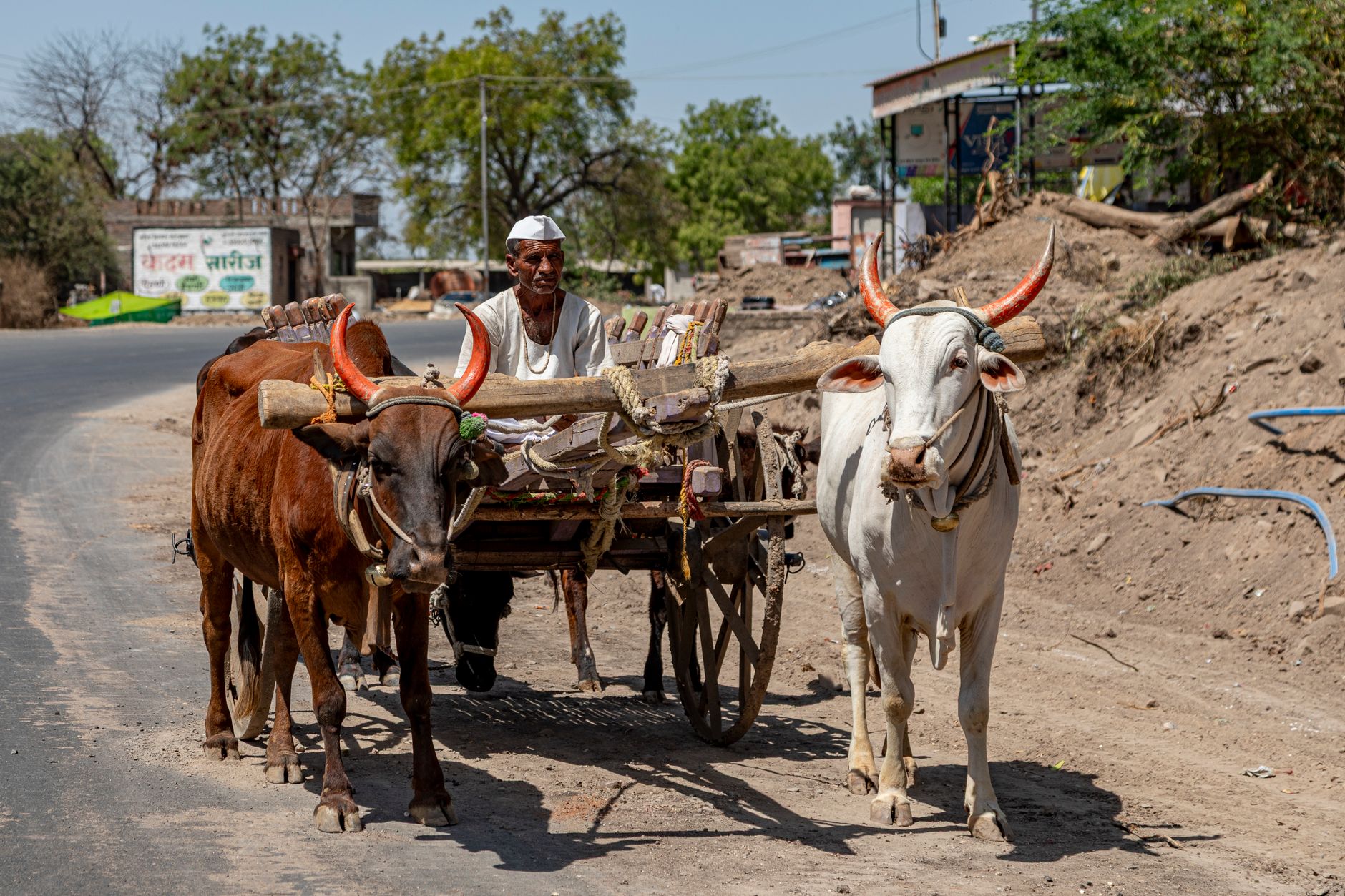
The transportation of early educational computers to rural schools presented unique logistical challenges. These machines were delicate, expensive, and required careful handling. However, many schools were located in areas with poor road connectivity, where modern vehicles couldn't reliably reach. The solution was both practical and symbolic—using bullock carts, the traditional mode of rural Indian transport.
This wasn't merely a quaint choice but often the only viable option. Bullock carts could navigate unpaved roads, cross shallow streams, and reach villages that were otherwise inaccessible to motorized vehicles. The slow, steady pace of these carts, while seemingly at odds with the speed of technological advancement, ensured the safe delivery of precious cargo.
Bridging Two Worlds
The image of a computer aboard a bullock cart represented more than just a transportation method. It symbolized India's approach to modernization—one that didn't reject traditional ways but rather incorporated them into the journey toward progress. This hybrid approach recognized that development doesn't require abandoning cultural identity or practical indigenous solutions.
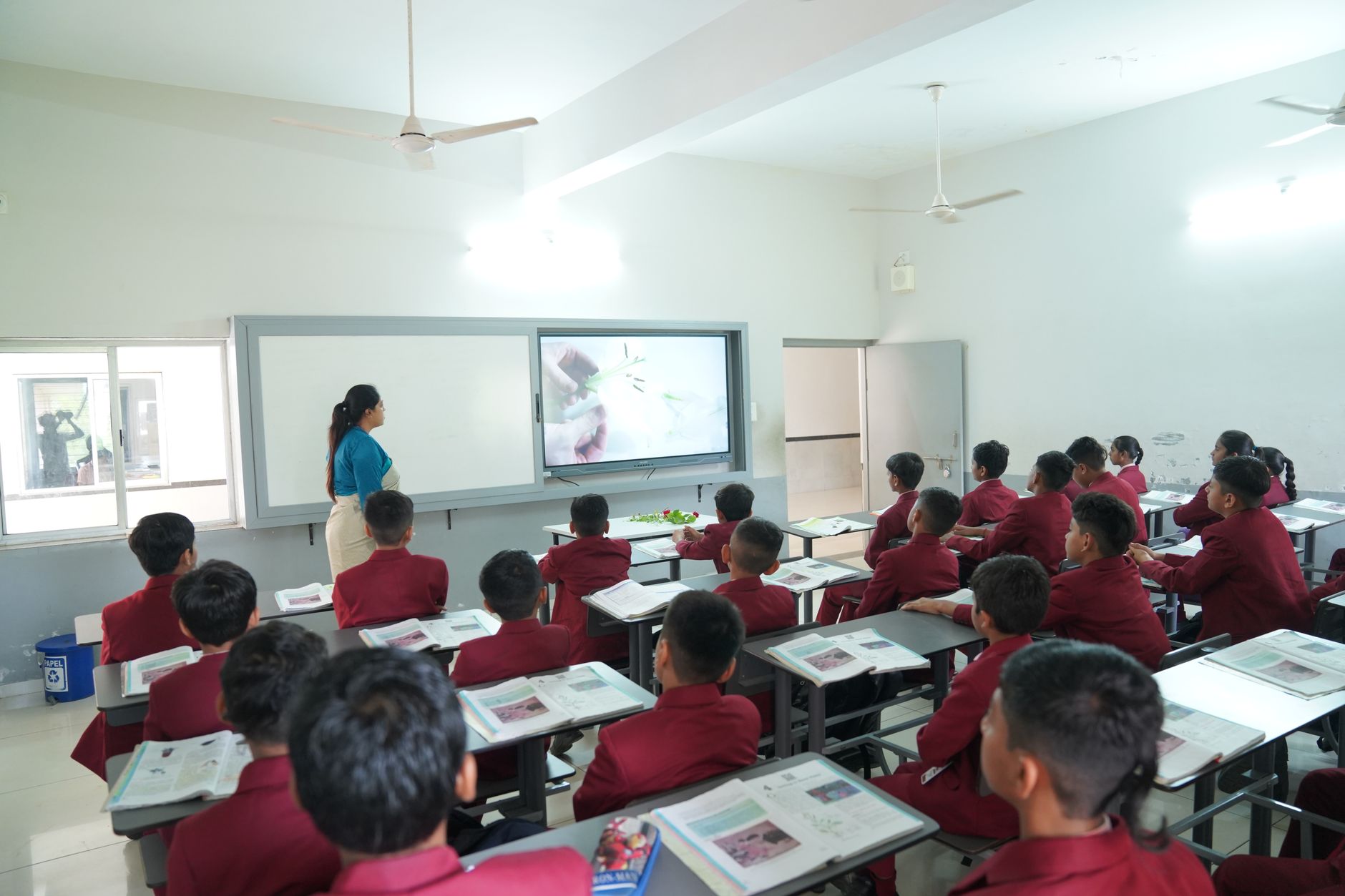
For students in rural schools, the arrival of a computer was a watershed moment. Many had never seen such technology before, and its presence opened new horizons of possibility. Teachers, often trained hastily in basic computer operations, became pioneers in their communities, introducing concepts that seemed almost magical to populations accustomed to chalk and blackboard instruction.
Impact on Educational Equity
The effort to distribute computers across diverse geographical and socioeconomic landscapes had profound implications for educational equity. It challenged the notion that advanced technological education was the exclusive domain of privileged urban students. Children in remote villages gained exposure to digital tools, learning basic programming concepts and computer operations that would prove invaluable in their future careers.
However, the initiative also highlighted persistent challenges. Power supply remained inconsistent in many areas, limiting actual usage hours. Maintenance and repairs were difficult when technical expertise was concentrated in cities. Software and curriculum development struggled to keep pace with hardware distribution.
Legacy and Lessons
The bullock cart delivery of computers became a metaphor for India's distinctive development path. It demonstrated that technological advancement need not be uniform or follow Western models exclusively. Instead, nations could chart their own courses, adapting modern innovations to local contexts and resources.
This approach laid groundwork for subsequent initiatives in educational technology. Today, India continues grappling with similar challenges—distributing tablets, establishing digital classrooms, and ensuring internet connectivity in remote areas. The lessons from those early computer education efforts remain relevant: sustainable technology integration requires understanding local infrastructure realities, investing in teacher training, and maintaining long-term commitment beyond initial distribution.
The story also reminds us that progress isn't always linear or glamorous. Sometimes the most transformative changes arrive quietly, on dusty roads, drawn by patient bullocks, carrying within them the seeds of revolution. For thousands of Indian students, that computer on a bullock cart was their first glimpse of a digital future, proving that access to knowledge can traverse any terrain, no matter how humble the conveyance.