India's tourism landscape has undergone a dramatic metamorphosis over the last ten years, evolving from a sector plagued by infrastructure challenges to one of the fastest-growing travel destinations globally. This transformation reflects a combination of strategic government initiatives, private sector investment, and changing traveler preferences that have collectively reshaped how people explore the subcontinent.
The Infrastructure Revolution
The foundation of India's tourism growth story rests on unprecedented infrastructure development. The expansion of airport capacity has been particularly striking, with new terminals in cities like Mumbai, Delhi, and Bengaluru accommodating millions more passengers annually. Tier-2 and tier-3 cities have also joined the aviation map, with regional connectivity schemes making previously difficult-to-reach destinations accessible within hours rather than days.
Highway development has equally transformed road travel. The expansion of national highways, expressways, and the ambitious Bharatmala project have reduced journey times between major tourist circuits. The Delhi-Meerut Expressway, Mumbai-Nagpur Samruddhi Corridor, and numerous other projects have made road trips more comfortable and time-efficient, encouraging domestic tourism significantly.
Railway infrastructure has also seen substantial modernization. The introduction of Vande Bharat trains, redeveloped railway stations, and improved booking systems have enhanced the travel experience. Heritage circuits and Buddhist circuits connected by improved rail links have opened up new tourism possibilities, particularly for international visitors seeking cultural experiences.
The Spiritual Tourism Boom
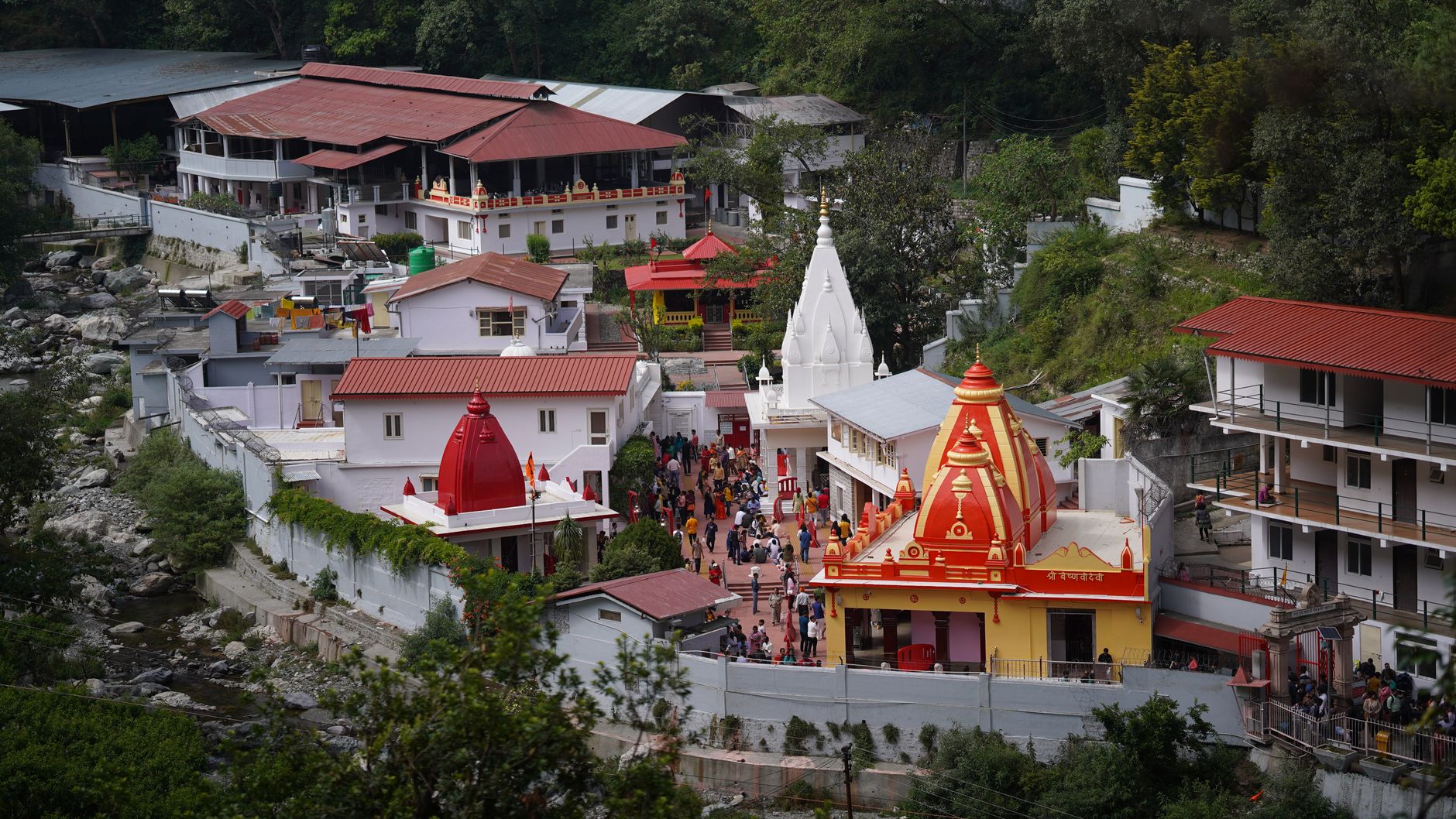
Perhaps no segment has grown as dramatically as spiritual tourism. India's ancient temples, pilgrimage sites, and spiritual centers have always attracted devotees, but the past decade has seen systematic efforts to improve facilities at these destinations. The Kashi Vishwanath Corridor in Varanasi exemplifies this trend, transforming the temple precinct into a world-class facility while preserving its spiritual essence.
The PRASAD (Pilgrimage Rejuvenation and Spiritual Heritage Augmentation Drive) scheme has upgraded infrastructure at major pilgrimage destinations including Amaranth, Kedarnath, Kamakhya, and Velankanni. These improvements have made spiritual tourism more comfortable and accessible, attracting not just traditional pilgrims but also younger travelers interested in cultural and spiritual exploration.
The Char Dham highway project in Uttarakhand and improved facilities at the Golden Temple in Amritsar demonstrate how infrastructure investment at religious sites has paid dividends. These destinations now welcome significantly higher footfall while maintaining their sacred character.
Digital Connectivity and Smart Tourism
The digital revolution has been equally transformative. Improved internet connectivity across tourist destinations has enabled travelers to navigate independently, book accommodations on-the-go, and share experiences in real-time. Tourist destinations have embraced technology with QR code-based information systems, virtual queues at popular attractions, and digital payment infrastructure that eliminates the friction of currency exchange for international visitors.
The e-Visa system's expansion has simplified entry procedures, with tourists from numerous countries now able to obtain visas online within days. This ease of access has contributed substantially to international tourist arrivals, which have rebounded strongly after pandemic-related disruptions.
Emerging Destinations and Niche Tourism
Infrastructure improvements have enabled the emergence of previously overlooked destinations. The Northeast region, long isolated by connectivity challenges, has become increasingly popular as new airports and improved roads have opened up Arunachal Pradesh, Sikkim, and Meghalaya to mainstream tourism. These states offer unique cultural experiences, adventure tourism opportunities, and pristine natural landscapes.
Adventure tourism, wellness tourism, and eco-tourism have flourished as supporting infrastructure has developed. Destinations like Rishikesh, Leh-Ladakh, and the Western Ghats have benefited from this diversification, attracting travelers beyond the traditional Golden Triangle circuit.
The Domestic Tourism Surge
Perhaps the most significant shift has been the explosion in domestic tourism. Rising disposable incomes, improved connectivity, and changing attitudes toward leisure travel have created a massive domestic market. Middle-class families now regularly vacation within India, exploring their own country's diversity. This trend has economic implications beyond tourism, supporting local businesses and employment across tourist destinations.
Future Trajectory
The transformation witnessed over the past decade has positioned India as a major global tourism destination. With continued infrastructure investment, sustainable tourism practices, and strategic marketing, the sector appears poised for continued growth. The challenge ahead lies in balancing expansion with preservation, ensuring that increased accessibility doesn't compromise the authenticity and environmental integrity that make India's tourism attractions special.
The convergence of better infrastructure, spiritual tourism focus, and comprehensive connectivity has fundamentally altered India's tourism narrative, creating opportunities for travelers to experience the country's incredible diversity with unprecedented ease and comfort.