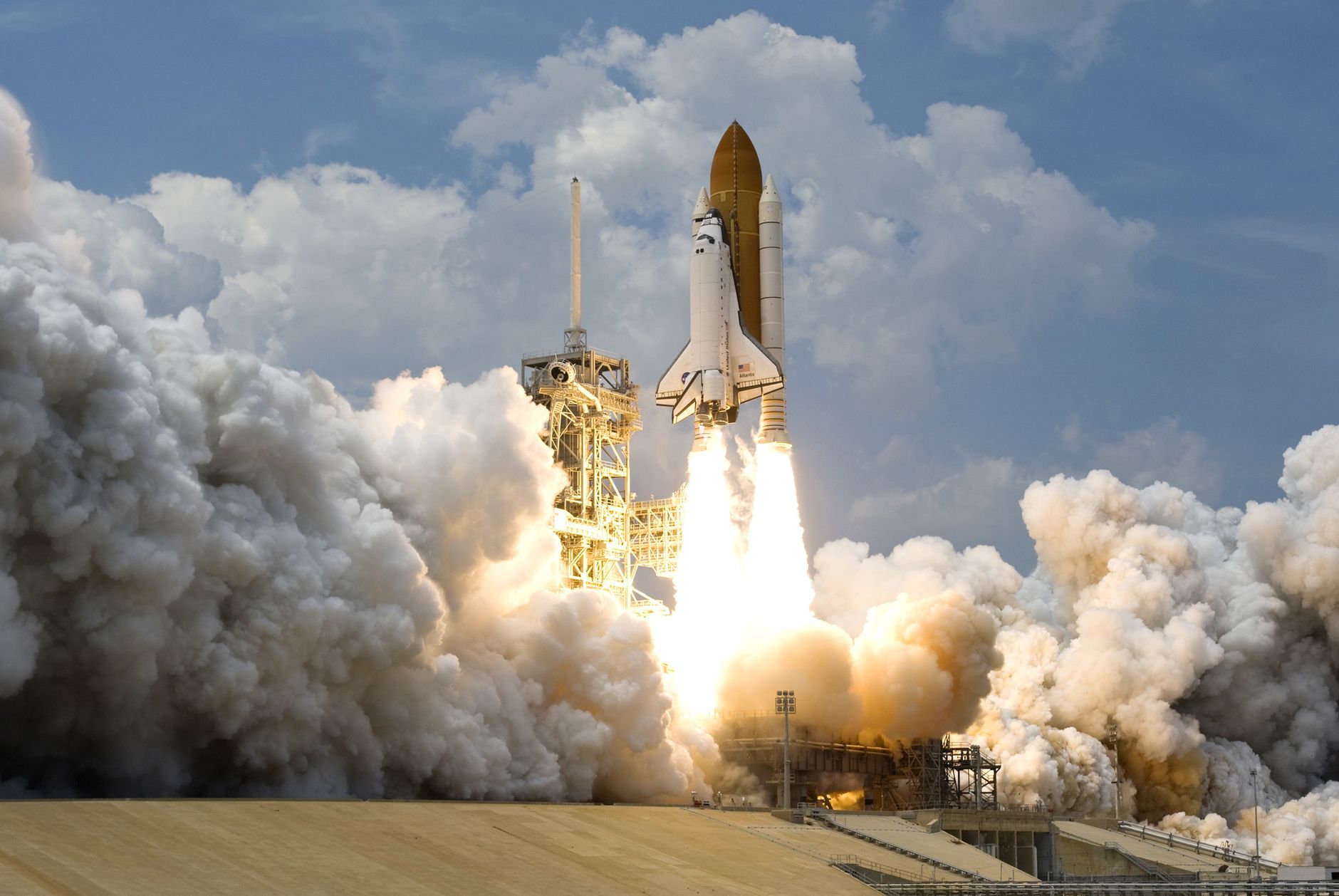
India's achievement in launching its first private orbital rocket marks a historic milestone in the country's space program, opening doors to increased space exploration and potential human spaceflight missions. As this new chapter unfolds, it's essential to understand the profound health implications that space travel has on the human body, particularly for astronauts who may participate in future missions facilitated by private space enterprises.
The Immediate Physical Impact of Space Launch
The launch phase itself subjects astronauts to extreme physical stress. During liftoff, crew members experience gravitational forces up to three times Earth's normal gravity. This intense acceleration can cause temporary changes in blood circulation, increased heart rate, and difficulty breathing. The human body must rapidly adapt to these forces, which is why astronauts undergo rigorous physical training and cardiovascular conditioning before missions.
The vibration and noise levels during launch also pose health considerations. Exposure to these extreme conditions can temporarily affect hearing and equilibrium, though spacecraft designs include protective measures to minimize these risks.
Microgravity's Effect on Human Physiology
Once in orbit, astronauts face the most significant health challenge: microgravity. The absence of gravitational force triggers numerous physiological changes:
- Bone density decreases at a rate of 1-2% per month, primarily affecting weight-bearing bones like the spine, hips, and legs
- Muscle mass deteriorates despite exercise regimens, with astronauts losing up to 20% of muscle mass on longer missions
- Cardiovascular deconditioning occurs as the heart doesn't need to work as hard to pump blood
- Fluid redistribution causes facial puffiness and "bird legs" as bodily fluids shift toward the upper body
- The immune system weakens, making astronauts more susceptible to infections
Radiation Exposure Beyond Earth's Protection
Space radiation represents one of the most serious long-term health risks for astronauts. Beyond Earth's protective magnetic field and atmosphere, cosmic radiation and solar particle events pose significant dangers:
Astronauts in low Earth orbit receive radiation doses approximately 10 times higher than on Earth's surface. This exposure increases cancer risk and can potentially cause cellular damage, cataracts, and effects on the central nervous system. For missions beyond Earth's orbit, these risks multiply substantially.
Vision Changes and Spaceflight-Associated Neuro-ocular Syndrome
A surprising discovery from extended space missions is the vision impairment experienced by many astronauts. The condition, known as Spaceflight-Associated Neuro-ocular Syndrome (SANS), affects approximately 70% of astronauts on long-duration missions. The fluid shift toward the head increases intracranial pressure, causing the eyeball to flatten and the optic nerve to swell. Some astronauts experience lasting vision changes even after returning to Earth.
Psychological and Mental Health Considerations
The mental health aspects of space travel are equally important:
- Isolation and confinement in small spaces can trigger psychological stress
- Disrupted circadian rhythms from experiencing 16 sunrises and sunsets daily affect sleep patterns
- Being far from family and friends can contribute to feelings of loneliness
- The high-stakes nature of space missions creates constant pressure
Space agencies now prioritize psychological screening and provide mental health support to astronauts throughout their missions.
Return to Earth and Rehabilitation
The journey back to Earth's gravity presents its own health challenges. Astronauts often experience:
- Orthostatic intolerance, making it difficult to stand without dizziness
- Compromised balance and coordination
- Decreased stamina and physical capacity
Rehabilitation programs following space missions can take weeks to months, depending on mission duration. Astronauts require extensive physical therapy to rebuild bone density, restore muscle mass, and readjust to Earth's gravity.
Implications for India's Growing Space Industry
As India's private space sector expands, developing comprehensive health protocols becomes essential. This includes pre-flight medical screening, in-flight health monitoring systems, and post-flight rehabilitation programs. The growth of private space launches may eventually lead to space tourism, making these health considerations relevant to civilian participants as well.
Research into countermeasures—such as specialized exercise equipment, nutritional supplements, and artificial gravity concepts—continues to advance. India's entry into private orbital launches provides opportunities to contribute to this vital research and develop innovations that protect human health in space.
This article provides general information about health impacts related to space travel and should not be considered medical advice. Individuals considering participation in space activities should consult qualified aerospace medicine specialists and undergo comprehensive medical evaluations.