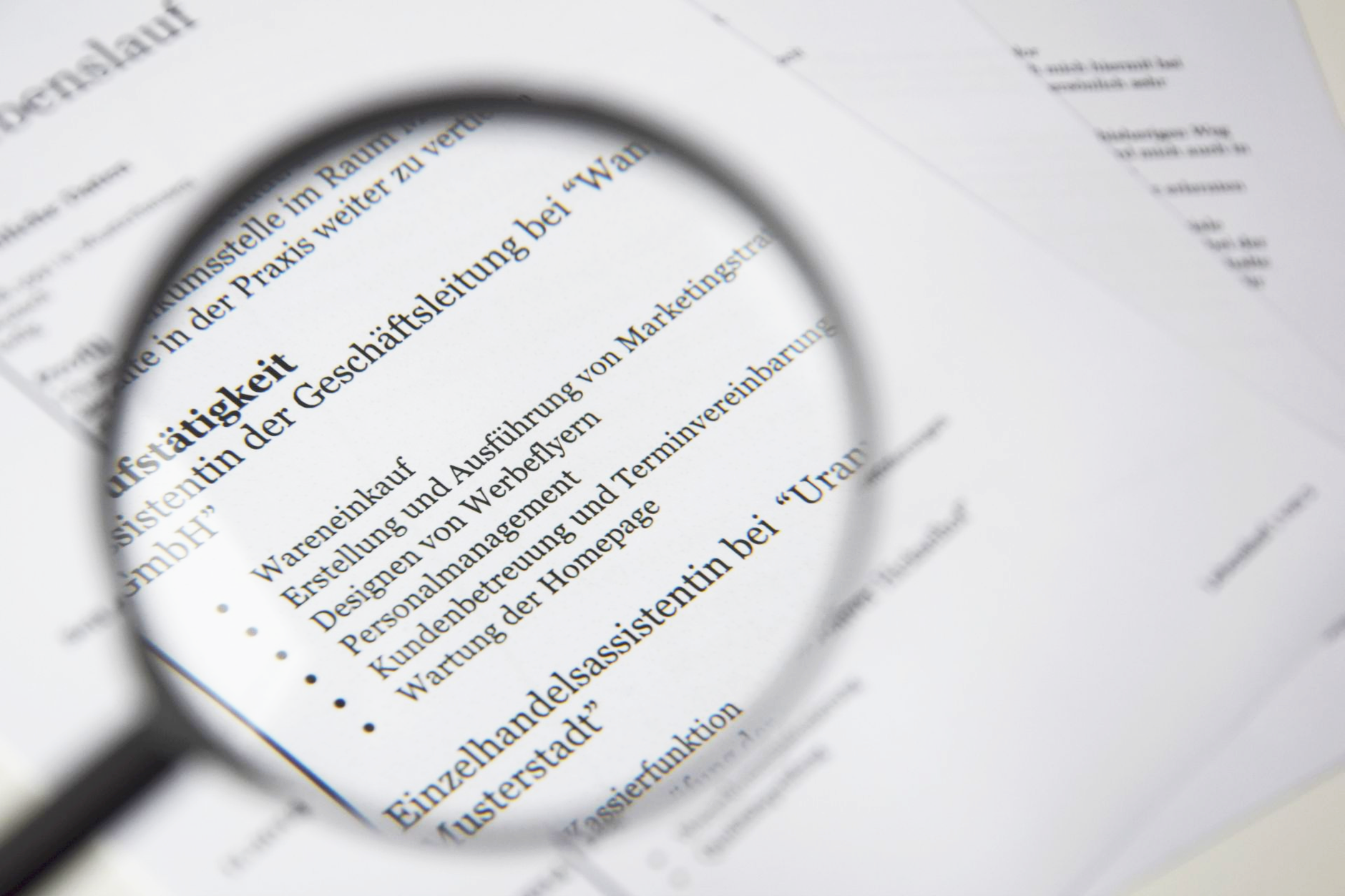
In India's increasingly competitive job landscape, standing out from hundreds of applicants requires more than just a polished resume. A letter of intent, also known as an expression of interest or statement of purpose in some contexts, has become a valuable tool for job seekers looking to make a strong first impression with potential employers.
What is a Letter of Intent
A letter of intent is a formal document that expresses your interest in a specific position or organization, even when a formal job opening may not be advertised. Unlike a cover letter that responds to a specific vacancy announcement, a letter of intent is often more proactive and forward-looking. It demonstrates initiative and genuine interest in working for a particular company or in a specific role.
This document serves multiple purposes in the Indian job market. It introduces you to hiring managers, highlights your most relevant qualifications, explains why you are interested in the organization, and articulates what value you can bring to the team. Many Indian companies, particularly startups and progressive organizations, appreciate candidates who take this initiative.
When to Use a Letter of Intent
Job seekers in India should consider writing a letter of intent in several scenarios. When you are interested in working for a specific company but no suitable positions are currently advertised, this letter helps get your name in front of decision-makers. During career transitions, when you are moving into a new industry or role, it allows you to explain your transferable skills and motivation.
Letters of intent are also valuable for networking purposes, following informational interviews, or when reaching out to companies after attending industry events or job fairs. Fresh graduates from Indian universities often find these letters helpful when approaching companies for entry-level opportunities or internships that may not be formally posted.
Key Components of an Effective Letter
The structure of a letter of intent follows professional business letter formatting common in Indian corporate communication. Begin with your contact information, followed by the date and the recipient's details. Always try to address the letter to a specific person rather than using generic greetings.
The opening paragraph should immediately state your purpose and express genuine enthusiasm for the organization. Mention how you learned about the company and why it appeals to you specifically. This is particularly important in India's diverse business landscape, where cultural fit and organizational values matter significantly.
The body paragraphs should highlight your most relevant qualifications, achievements, and experiences. Rather than simply repeating your resume, tell a story about your professional journey and how it aligns with the company's mission or industry. Include specific examples of accomplishments, particularly those with measurable outcomes.
In the Indian context, demonstrating knowledge of the company's recent achievements, market position, or social initiatives shows that you have done your homework. Reference specific projects, products, or values that resonate with you.
Writing Tips for Indian Job Seekers
Maintain a professional yet warm tone throughout the letter. Indian business communication often values respect and humility alongside confidence, so strike a balance between showcasing your abilities and expressing eagerness to learn and contribute.
Keep the letter concise, ideally one page or 300-400 words. Hiring managers across Indian companies receive numerous applications and appreciate brevity. Use clear, direct language and avoid overly complex vocabulary that might seem forced.
Research the company thoroughly before writing. Understanding whether you are approaching a traditional Indian conglomerate, a multinational corporation, or a startup will help you adjust your tone and emphasis appropriately. Each organizational type has different cultural expectations and communication preferences.
Common Mistakes to Avoid
Many candidates make the error of writing overly generic letters that could apply to any company. Personalization is crucial for impact. Avoid focusing too heavily on what you want from the company rather than what you can contribute. Indian employers particularly value candidates who demonstrate alignment with organizational goals.
Do not simply restate your entire resume. The letter should complement your CV by providing context and personality. Typos and grammatical errors are particularly damaging in formal business communication in India, where attention to detail is highly valued.
Following Up
After sending your letter of intent, wait approximately one to two weeks before following up with a polite email or phone call. Persistence shows genuine interest, but avoid being overly aggressive, as this may be viewed negatively in Indian professional culture.
A well-crafted letter of intent demonstrates professionalism, initiative, and genuine interest in an organization. In India's dynamic job market, this proactive approach can open doors to opportunities that might otherwise remain hidden, helping you build meaningful connections with potential employers even before formal positions become available.