Sonam Wangchuk, the engineer-turned-education reformer from Ladakh, has emerged as one of India's most recognized social innovators. His journey from reforming rural education to creating ice stupas that combat water scarcity demonstrates how local solutions can address global challenges while preserving cultural identity.
The Education Revolutionary
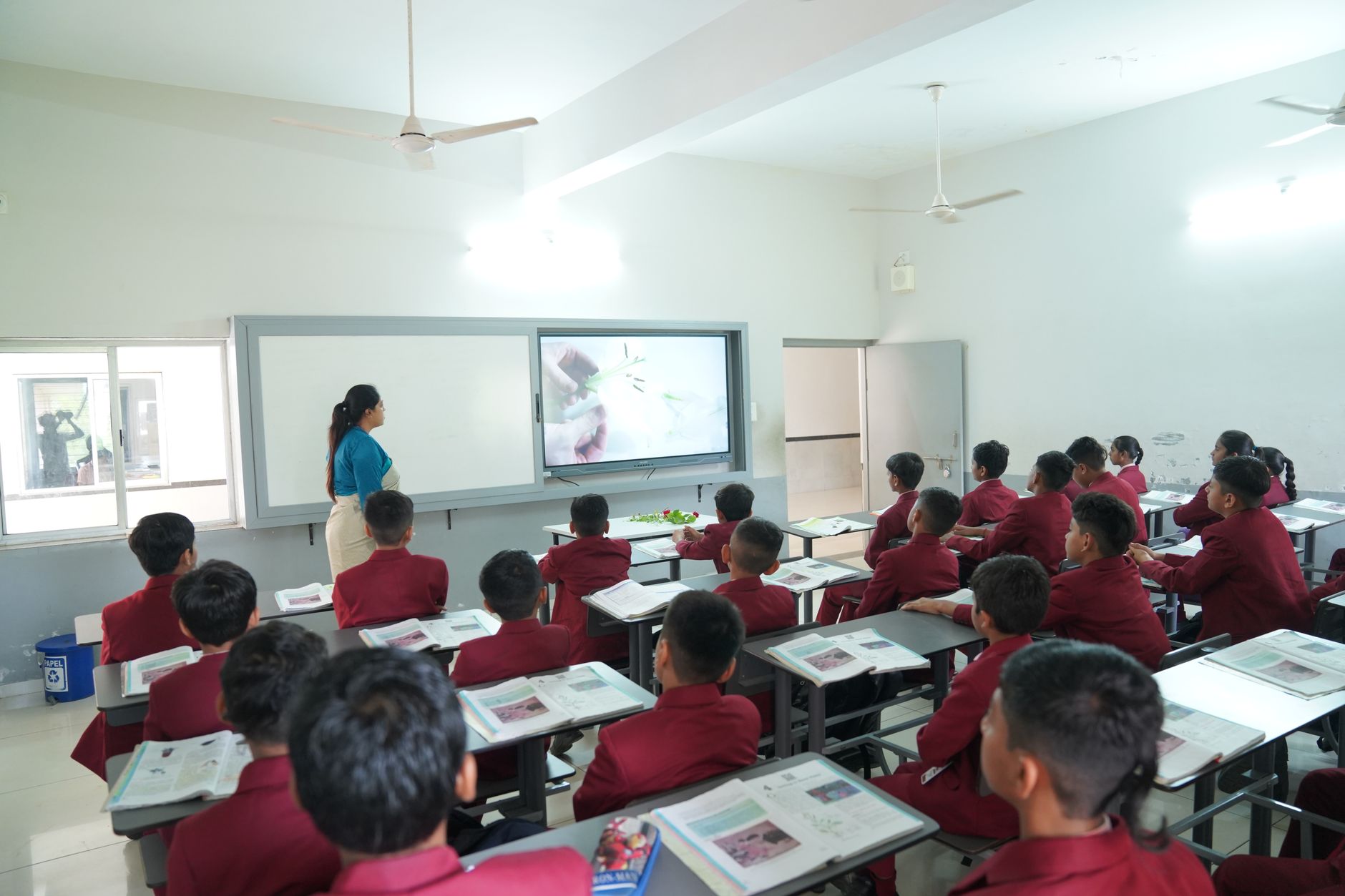
Wangchuk's first major intervention came in the field of education through the Students' Educational and Cultural Movement of Ladakh (SECMOL), which he helped establish in 1988. Recognizing that the conventional education system was failing Ladakhi students—with pass rates hovering around 5 percent in the 1990s—Wangchuk pioneered an alternative approach that emphasized practical learning, critical thinking, and cultural relevance.
The SECMOL Alternative School, operational since 1994, became a laboratory for educational innovation. Students who had failed in the traditional system were given another chance through hands-on learning, where they built their own solar-heated dormitories, managed the campus, and learned through doing rather than rote memorization. The results were transformative, with pass rates improving dramatically and students developing real-world skills alongside academic knowledge.
His work in education inspired the Bollywood film "3 Idiots," where actor Aamir Khan's character Phunsukh Wangdu was modeled after Wangchuk, bringing his philosophy of learning to national consciousness.
The Ice Stupa Innovation
Perhaps Wangchuk's most internationally recognized innovation is the Ice Stupa project, launched in 2013. These artificial glaciers address a critical problem in Ladakh: water scarcity during the crucial spring planting season when natural glaciers haven't yet begun melting.
The concept is elegantly simple yet scientifically sophisticated. During winter, when water is abundant but not needed for agriculture, it is channeled through pipes and sprayed upward through a fountain. The freezing temperatures create cone-shaped ice formations resembling Buddhist stupas, which can reach heights of 30-50 meters. These structures melt slowly through spring and early summer, providing water precisely when farmers need it most.
The ice stupas serve multiple purposes beyond irrigation. They've become tools for climate change awareness, symbols of community resilience, and even tourist attractions. The project has won international recognition, including being featured in numerous climate innovation forums and receiving support from organizations worldwide.
Sustainable Development Philosophy
What sets Wangchuk apart is his holistic approach to development. His innovations aren't isolated technical fixes but integrated solutions that consider environmental sustainability, cultural preservation, economic viability, and social empowerment simultaneously.
The SECMOL campus itself demonstrates this philosophy. Built entirely by students using local materials and traditional techniques enhanced by modern sustainability principles, it operates on solar energy, recycles all waste, and grows much of its own food. The campus serves as both a working model and a training ground for sustainable living in harsh Himalayan conditions.
Recent Activism and Advocacy
In recent years, Wangchuk has become increasingly vocal about environmental protection and regional autonomy for Ladakh. Following Ladakh's separation from Jammu and Kashmir and its designation as a Union Territory in 2019, he has advocated for constitutional safeguards to protect the region's fragile ecology and indigenous culture.
His activism includes education-focused climate strikes and campaigns for sustainable tourism policies that benefit local communities while preserving the environment. This evolution from innovator to activist reflects his deepening engagement with the political and policy dimensions of sustainable development.
Impact on Indian Innovation Ecosystem
Wangchuk's work has influenced India's broader approach to grassroots innovation. He has demonstrated that solutions to complex problems often emerge from those closest to them, provided they have support, resources, and freedom to experiment. His success has encouraged policy frameworks supporting indigenous innovation and contextual problem-solving.
His recognition—including the Rolex Award for Enterprise, Ramon Magsaysay Award, and numerous other honors—has elevated the profile of Himalayan innovation and brought attention to climate challenges facing mountain communities globally.
The evolution of Sonam Wangchuk from education reformer to climate innovator illustrates how deep understanding of local contexts, combined with scientific knowledge and unwavering commitment, can create solutions with far-reaching impact. His journey continues to inspire a new generation of innovators across India who seek to address developmental challenges through creativity, sustainability, and cultural sensitivity.