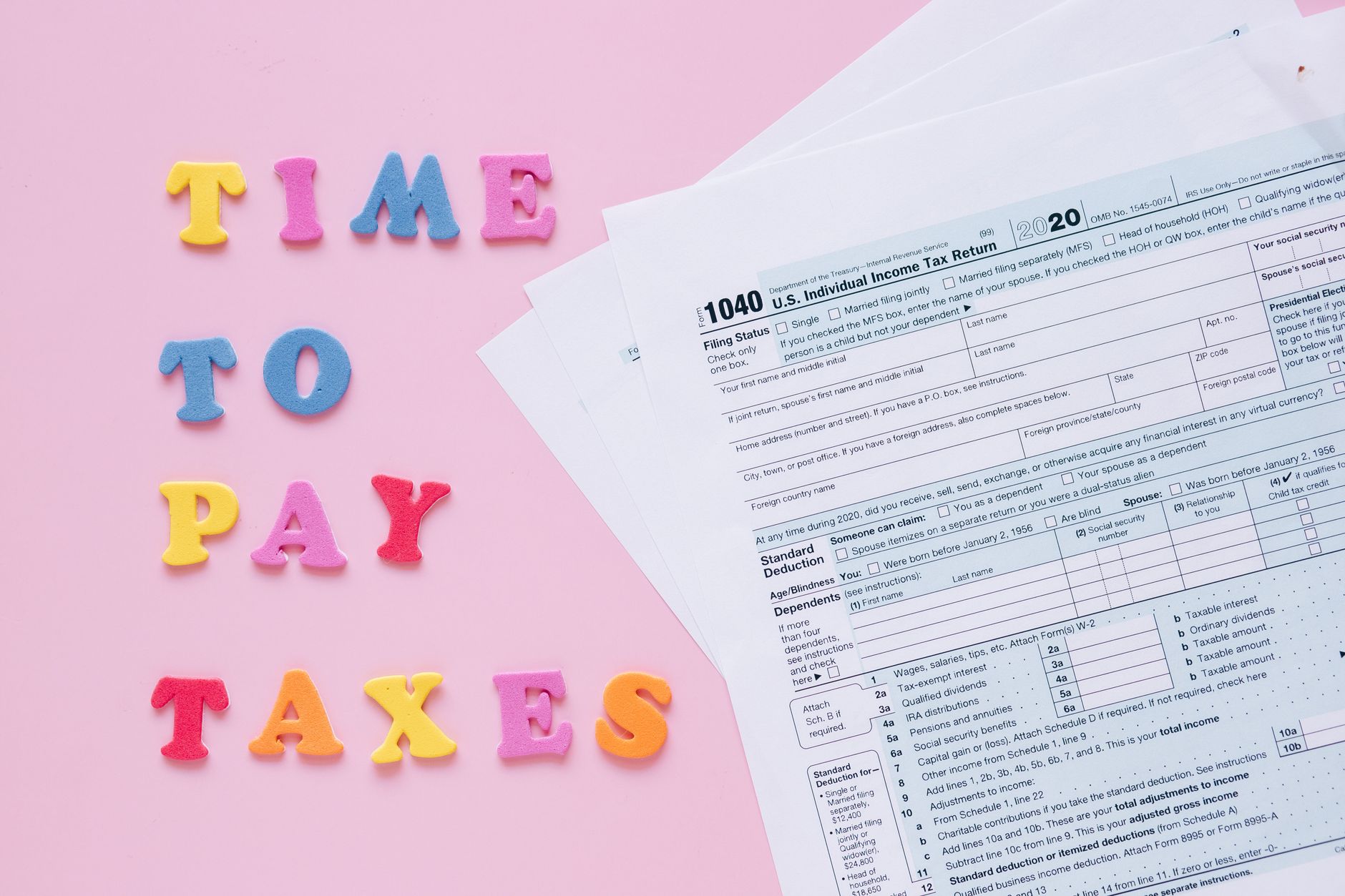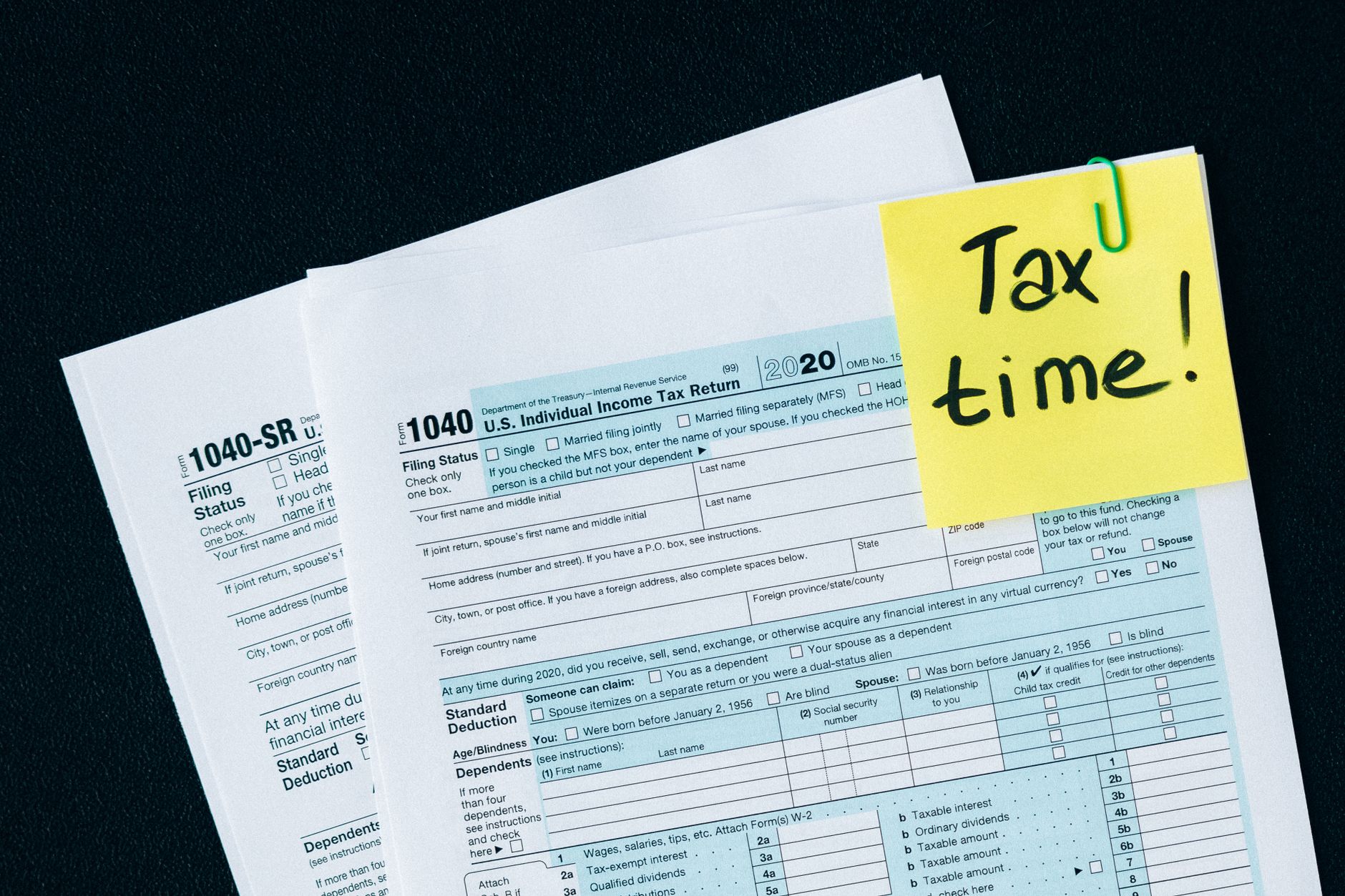
Income tax refunds are amounts that the government returns to taxpayers when they have paid more tax than their actual liability. This commonly happens when excess TDS (Tax Deducted at Source) has been collected, advance tax payments exceeded the final liability, or self-assessment tax was overpaid. For the financial year 2025-26, understanding the refund process ensures you receive your rightful money without delays.
When Are You Eligible for a Tax Refund
You become eligible for an income tax refund in several scenarios. The most common situation is when your employer or other entities deduct more tax at source than your actual tax liability after claiming all eligible deductions and exemptions. For instance, if your employer deducted Rs 50,000 as TDS but your actual tax liability is only Rs 35,000 after accounting for deductions under Section 80C, 80D, and others, you are entitled to a refund of Rs 15,000.
Other situations include excess advance tax payments, particularly for self-employed individuals and business owners who estimate their tax liability at the beginning of the year. Relief claimed under Double Taxation Avoidance Agreements (DTAA) can also result in refunds when taxes were paid in another country on the same income.
How to Claim Your Income Tax Refund
Claiming your refund starts with filing your Income Tax Return (ITR) before the deadline. The standard deadline is typically July 31st for individuals not requiring audit. You must file the correct ITR form based on your income sources and ensure all details are accurate.
The critical step is ensuring your bank account is pre-validated on the income tax e-filing portal. The refund can only be credited to a pre-validated account. To validate your account, log into the income tax portal, navigate to your profile settings, and add your bank account details. The system will verify this information with your bank records.
When filling your ITR, ensure you include all TDS and TCS (Tax Collected at Source) details from Form 26AS or Annual Information Statement (AIS). Any mismatch between your claimed TDS and the department's records can delay your refund. After completing your return, verify it using Aadhaar OTP, EVC (Electronic Verification Code), or by sending a signed ITR-V to the Centralized Processing Centre in Bengaluru within 120 days.
Tracking Your Refund Status
Once you have filed and verified your return, tracking your refund status is straightforward. The primary method is through the income tax e-filing portal. Log in with your credentials, go to the 'My Account' section, and select 'Refund/Demand Status'. You will see the current status of your refund along with the assessment year.
Alternatively, you can use the NSDL website by entering your PAN and the relevant assessment year. This provides similar information without requiring login credentials. The refund status typically shows stages like 'Return filed', 'Processed', 'Refund approved', and 'Refund paid'.
You can also track your refund through the TRACES (TDS Reconciliation Analysis and Correction Enabling System) portal by logging in with your PAN. Some banks also send SMS or email notifications when the refund amount is credited to your account.
Understanding Refund Timeline and Interest
After successful ITR processing, refunds are typically issued within a few weeks to a few months. The Income Tax Department aims to process refunds quickly, especially for straightforward returns without discrepancies. If your refund is delayed beyond the prescribed time limits, you are entitled to interest under Section 244A at the rate of 0.5% per month or part thereof.
The interest is calculated from April 1st of the assessment year until the date the refund is granted. For instance, if your refund for AY 2025-26 is delayed and paid in December 2025, you will receive interest for the delay period.
Common Reasons for Refund Delays
Several factors can delay your refund processing. Incorrect bank account details or unvalidated accounts are the most common reasons. Mismatches in TDS information between your return and Form 26AS can trigger manual verification. Outstanding tax demands from previous years may result in the department adjusting your current refund against old dues. Filing returns after the deadline or errors in income reporting also cause delays.
This article is for general informational purposes only and should not be considered as professional tax advice. Tax laws and procedures may change. For specific guidance related to your situation, please consult a qualified chartered accountant or tax professional.