The National Institute of Nutrition (NIN), a premier research body under the Indian Council of Medical Research, has recommended implementing health taxes on junk food and sugary drinks as part of a comprehensive strategy to address India's growing burden of non-communicable diseases. This policy brief represents a significant shift in public health approach, aiming to use fiscal measures to improve dietary habits across the country.
Understanding Health Taxes
Health taxes, also known as sin taxes, are levies imposed on products considered harmful to public health. The concept is straightforward: by increasing the price of unhealthy foods and beverages, governments can discourage consumption while simultaneously generating revenue that can be invested in healthcare and nutrition programs. Several countries including Mexico, France, and the United Kingdom have already implemented such measures with varying degrees of success.
In India's context, the proposed tax would target ultra-processed foods high in salt, sugar, and unhealthy fats, as well as carbonated drinks and other sugar-sweetened beverages that have become increasingly popular, particularly among urban populations and young people.
The Health Crisis Driving This Proposal
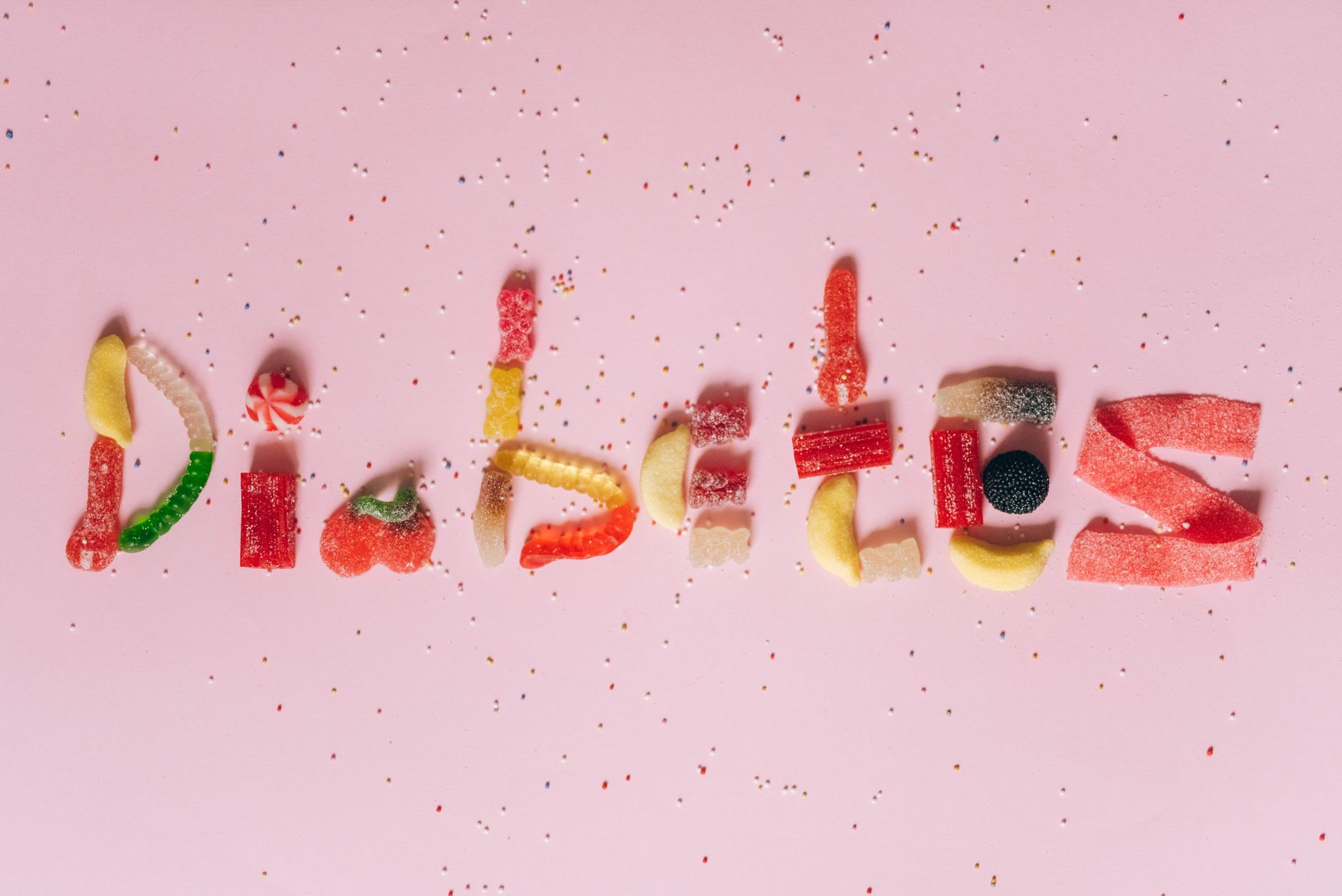
India is facing a dual burden of malnutrition and lifestyle diseases. While undernutrition remains a challenge in many regions, the country has seen an alarming rise in obesity, diabetes, hypertension, and cardiovascular diseases. According to health surveys, India is now home to one of the largest diabetic populations globally, with millions more in the pre-diabetic stage.
The shift in dietary patterns plays a crucial role in this health crisis. Traditional diets rich in whole grains, vegetables, and pulses are increasingly being replaced by processed foods, ready-to-eat meals, and sugar-laden beverages. These products are often aggressively marketed, widely available, and perceived as modern or aspirational by younger consumers.
How Health Taxes Work in Practice
The mechanism behind health taxes is based on price elasticity. When products become more expensive, consumption typically decreases, especially among price-sensitive populations. Studies from countries that have implemented such taxes show that even modest price increases can lead to measurable reductions in consumption.
For instance, Mexico's tax on sugar-sweetened beverages led to a 12 percent reduction in purchases within the first two years of implementation. Similar patterns have been observed in other countries, particularly among lower-income groups who are often most vulnerable to the health impacts of poor diet.
Potential Impact on Indian Consumers
If implemented, health taxes on junk food and sugary drinks could have several effects on Indian consumers:
- Higher prices for processed snacks, instant noodles, chips, carbonated drinks, and packaged fruit juices with added sugar
- Potential reformulation of products by manufacturers to reduce sugar, salt, or unhealthy fat content to avoid higher tax brackets
- Increased availability and competitiveness of healthier alternatives as they become relatively more affordable
- Greater consumer awareness about the health impacts of ultra-processed foods
The policy could particularly benefit lower and middle-income families who spend a disproportionate amount of their healthcare budget treating lifestyle diseases that could be prevented through better nutrition.
Challenges and Considerations
Implementing health taxes is not without challenges. The food and beverage industry typically opposes such measures, arguing they hurt business and employment. There are also concerns about the regressive nature of such taxes, as they may disproportionately affect lower-income consumers who spend a higher percentage of their income on food.
Additionally, effective implementation requires clear definitions of what constitutes junk food or unhealthy beverages, robust monitoring mechanisms, and public education campaigns to explain the rationale behind the policy.
The revenue generated from these taxes should ideally be earmarked for health promotion activities, subsidizing healthy foods, or improving public healthcare infrastructure to gain broader public acceptance.
The Broader Picture
Health taxes represent just one tool in a comprehensive public health strategy. They work best when combined with other measures such as front-of-package nutrition labeling, restrictions on advertising unhealthy foods to children, improving school meal programs, and making healthy foods more accessible and affordable.
The NIN's proposal reflects a growing recognition that preventing lifestyle diseases requires addressing the food environment itself, not just individual choices. As India's demographic and epidemiological transitions continue, such policy interventions may become increasingly necessary to protect public health and reduce the economic burden of preventable diseases.
This article is for general information purposes only and should not be considered medical or dietary advice. Readers should consult healthcare professionals for personalized nutrition guidance.