The resignation of India's Education Minister following weeks of youth-led protests represents a watershed moment in the country's education discourse. Students and young activists across India have successfully pressured the government into accepting their demands, leading to the minister's departure and the announcement that protests will cease.
Background of the Movement
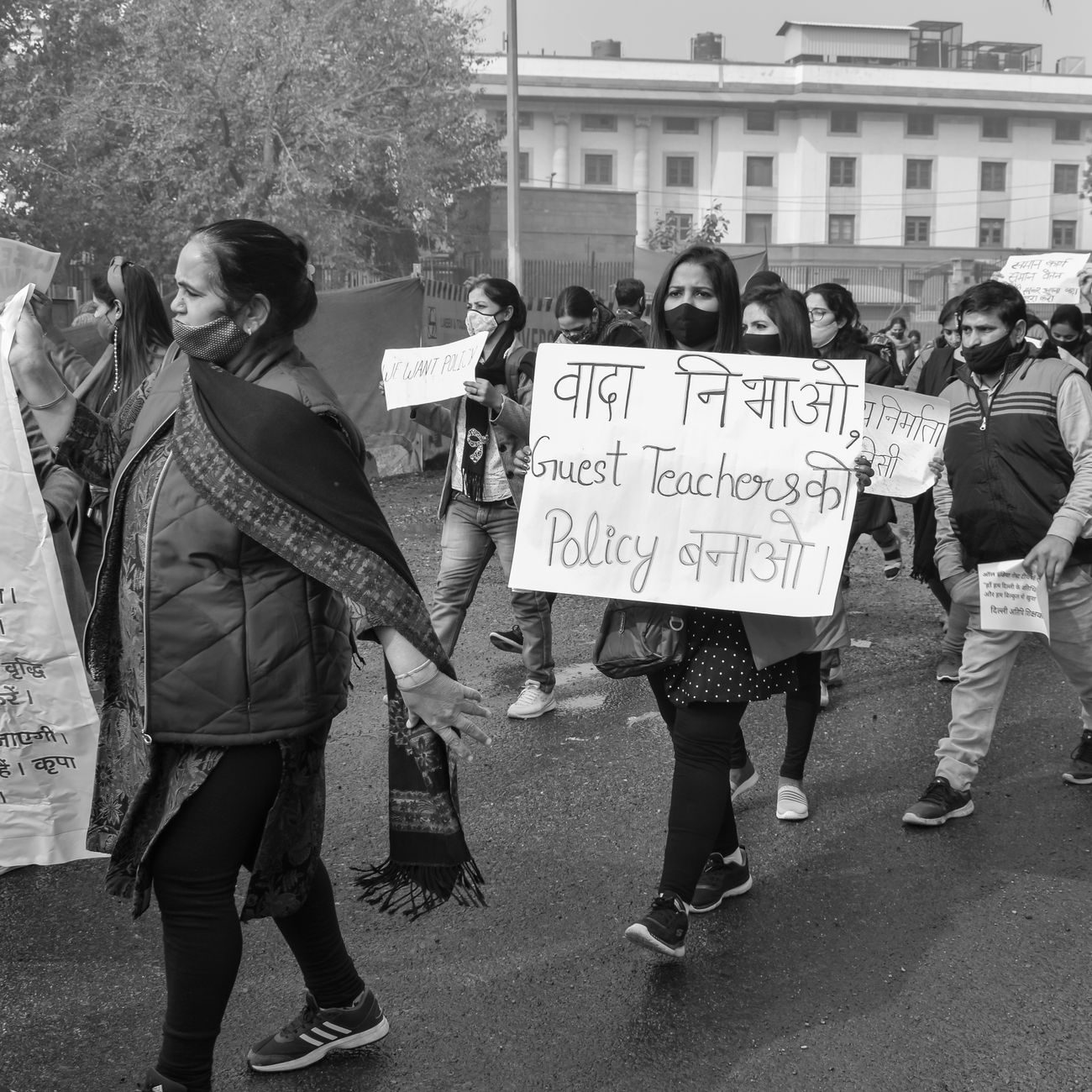
Student protests in India have historically played a crucial role in shaping policy decisions, and this latest movement appears to follow that tradition. The demonstrations, which gained momentum over recent weeks, brought together students from universities, colleges, and educational institutions nationwide. Protesters raised concerns about various aspects of the education system, from examination reforms to administrative decisions that they believed would negatively impact their academic futures.
The movement gained traction through social media platforms, with hashtags trending nationally and drawing attention from mainstream media. What started as localized demonstrations quickly evolved into a coordinated nationwide movement, with students organizing peaceful marches, sit-ins, and awareness campaigns across major cities and educational hubs.
Key Demands and Grievances
While the specific demands varied across different student groups, several common themes emerged during the protests. Students expressed concerns about examination patterns, grading systems, and policies they perceived as arbitrary or implemented without adequate consultation with stakeholders. Many protesters emphasized the need for greater transparency in decision-making processes affecting millions of students.
The movement also highlighted broader questions about India's education system, including:
- Quality and accessibility of higher education
- Recognition of degrees and qualifications
- Employment outcomes for graduates
- Infrastructure and resource allocation in educational institutions
- Student welfare and mental health support systems
Government Response and Political Implications
The Education Minister's resignation signals the government's acknowledgment that student concerns require serious attention. This development comes at a politically sensitive time, as education policy affects millions of families across India and can significantly influence public opinion.
Political analysts suggest that the swift resolution indicates the government's awareness of the electoral importance of youth voters, who comprise a substantial portion of India's electorate. The decision to accept the resignation rather than dig in suggests a calculated move to defuse tensions and demonstrate responsiveness to public sentiment.
Opposition parties have seized upon the incident to criticize the government's policy formulation processes, arguing that better consultation mechanisms could have prevented the crisis. However, some observers note that the relatively quick resolution may actually minimize long-term political damage compared to allowing protests to continue indefinitely.
Impact on India's Education System
The successful conclusion of these protests may embolden student activism in the future and establish a precedent for youth involvement in education policy. Educational institutions may need to create more robust feedback mechanisms and consultation processes to address student concerns before they escalate into large-scale movements.
This episode also highlights the growing political consciousness among Indian youth and their willingness to mobilize for causes affecting their futures. The coordinated nature of the protests demonstrates that students can effectively organize across geographic and institutional boundaries when united by common concerns.
Looking Forward
The immediate focus now shifts to who will replace the departed minister and what policy changes, if any, will follow. The government faces the challenge of addressing the underlying concerns that sparked the protests while maintaining stability in the education sector.
Educational institutions will likely review their communication strategies with students, recognizing that grievances can quickly escalate in the age of social media and instant connectivity. The incident may prompt broader discussions about involving stakeholders, particularly students, in education policy formulation.
For students who participated in the protests, this outcome represents validation of their efforts and demonstrates that collective action can produce results. However, the real test will be whether concrete policy changes follow the resignation, translating protest victory into lasting reforms that address systemic issues in Indian education.
The resolution of these protests through the minister's resignation offers both closure and a new beginning—an opportunity for India to reimagine aspects of its education system with greater input from those it serves most directly: students themselves.