The resignation of India's Education Minister has sent ripples through the political landscape, highlighting the complex interplay between governance, party politics, and public accountability in one of the nation's most critical ministries.
The Role of the Education Minister
India's Education Minister oversees a vast portfolio that affects millions of students across the country. The ministry is responsible for formulating policies on school education, higher education, technical training, and research institutions. With India's youth population being one of the largest globally, this position carries immense responsibility for shaping the future workforce and ensuring educational accessibility.
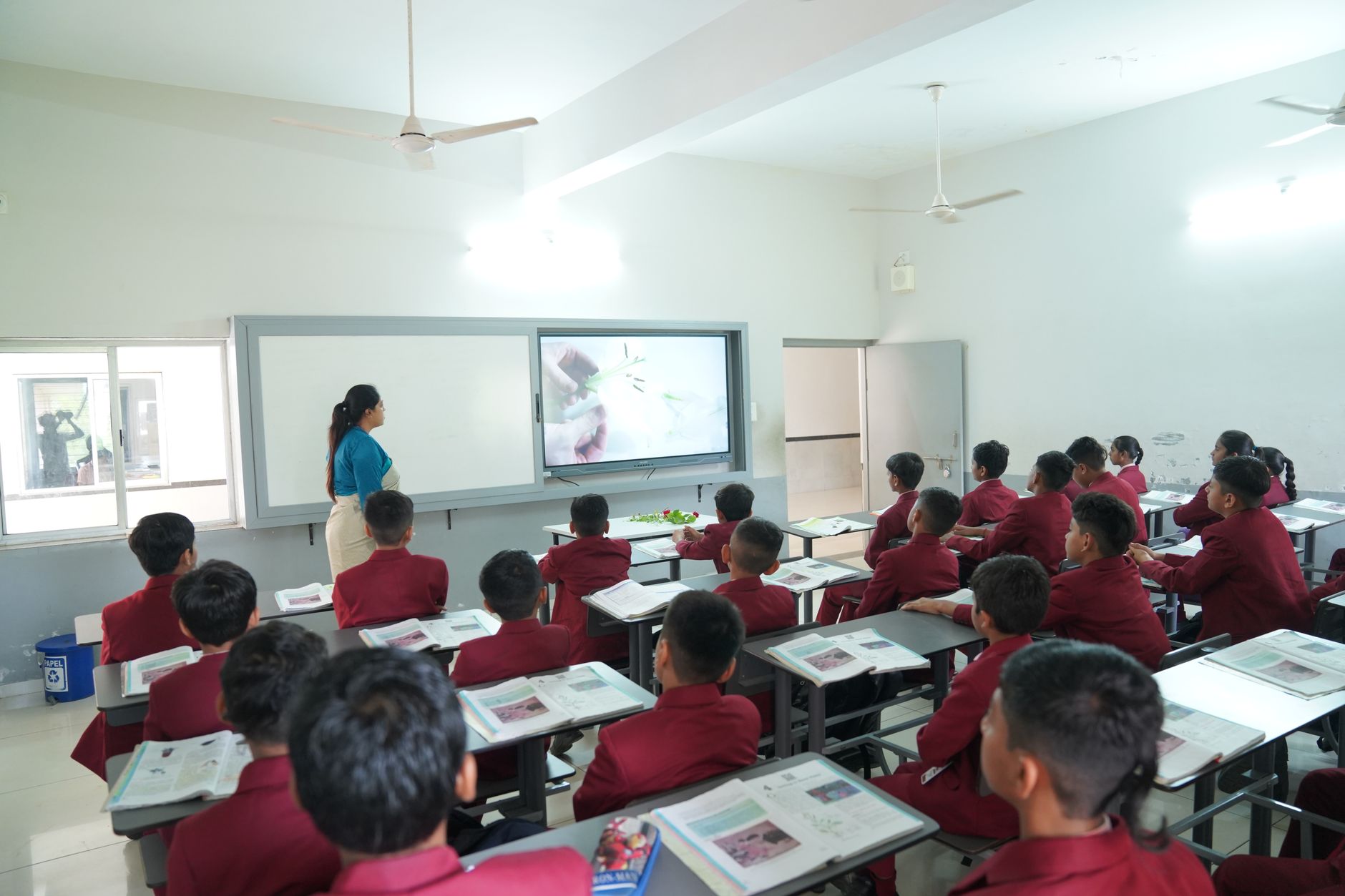
The education sector in India has been undergoing significant transformations in recent years, including the implementation of the National Education Policy 2020, digital learning initiatives, and reforms in examination systems. Managing these changes while addressing infrastructural challenges and quality concerns requires strong political will and administrative acumen.
Understanding Political Resignations in India
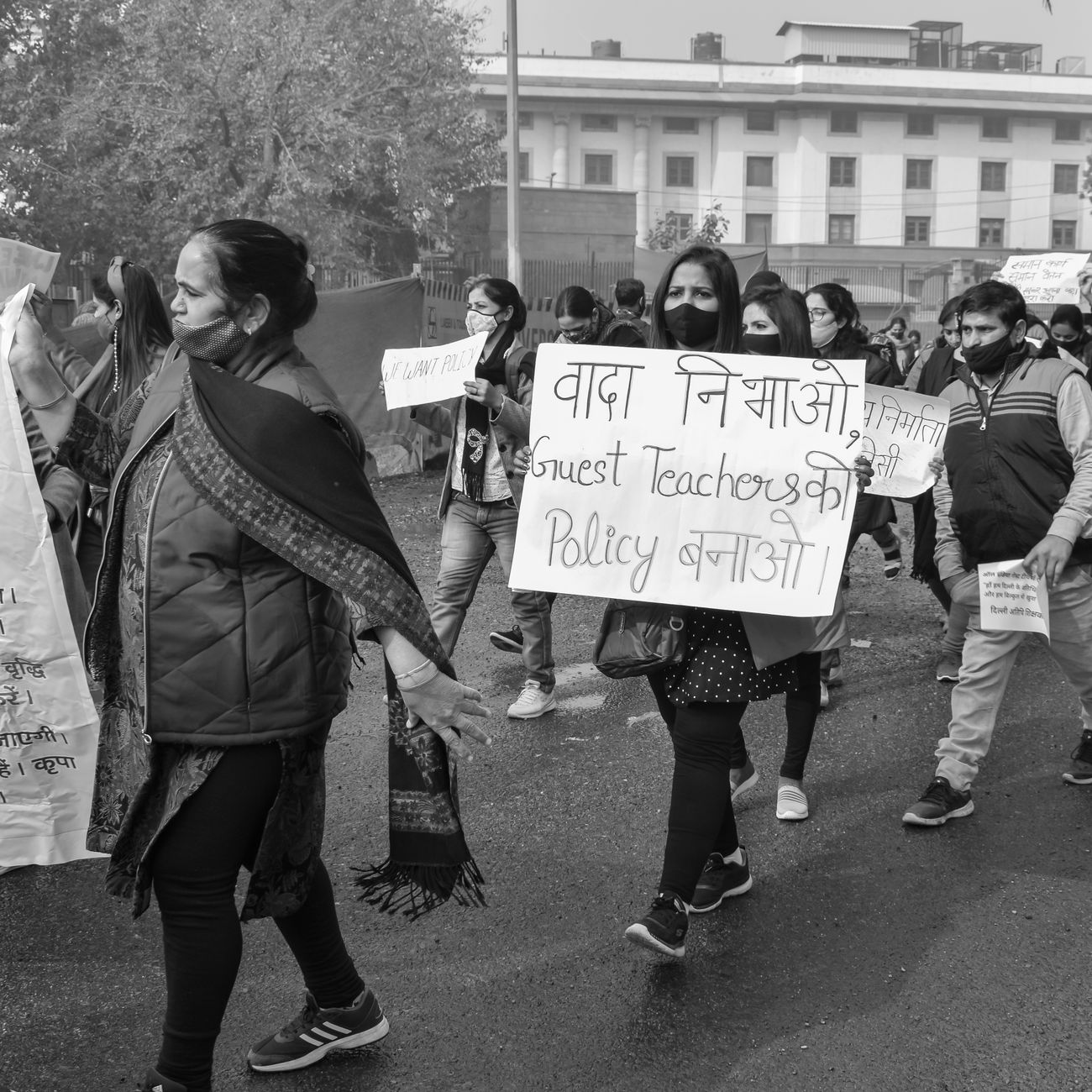
Ministerial resignations in India can occur for various reasons, ranging from personal decisions to political pressure. When internal party dynamics lead to such outcomes, it often reflects deeper organizational concerns or policy disagreements. Political parties maintain discipline and unity through various mechanisms, and protests from within can signal serious discord.
In India's parliamentary democracy, ministers serve at the pleasure of the Prime Minister and are accountable both to their party and the public. When party factions express dissatisfaction through organized protests, it can create untenable situations for individual ministers, regardless of their performance or popularity.
Impact on Education Policies and Programs
The departure of an education minister can have several implications for ongoing programs and initiatives. Major policy implementations may face delays as new leadership takes time to understand and prioritize various projects. Educational institutions, particularly those involved in reform processes, may experience uncertainty during transitional periods.
Key areas that could be affected include:
- Implementation of curriculum reforms and new teaching methodologies
- Digital education initiatives and technology integration in classrooms
- Infrastructure development projects for schools and universities
- Examination reforms and assessment policy changes
- Teacher training programs and recruitment processes
- Higher education regulation and quality assurance measures
The Broader Political Context
Political transitions in key ministerial positions often reflect larger power dynamics within governing coalitions or parties. India's political system, with its multiple parties and coalition governments, requires constant negotiation and balance among various interest groups and factions.
When internal party groups organize protests against ministerial appointments or performance, it can indicate disagreements over policy direction, resource allocation, or political strategy. Such developments are not uncommon in India's vibrant democratic system, where diverse viewpoints and regional interests must be accommodated.
What Happens Next
Following a ministerial resignation, the government typically moves quickly to ensure continuity in administration. The Prime Minister may temporarily assign the portfolio to another minister while a permanent replacement is identified. The selection process considers various factors including political representation, administrative experience, and expertise in the education sector.
For stakeholders in the education system—students, parents, teachers, and institutions—the priority remains continuity in services and programs. Most day-to-day operations continue under the guidance of civil servants and ministry officials who provide institutional memory and expertise.
Looking Forward
The education sector in India faces numerous challenges that transcend individual ministers or political parties. These include improving learning outcomes, reducing dropout rates, enhancing teacher quality, expanding access to higher education, and aligning education with employment opportunities.
Whoever assumes the education portfolio will inherit both opportunities and challenges. India's commitment to education as a driver of economic growth and social mobility remains strong across political lines. The focus must remain on implementing effective policies that improve educational quality and accessibility for all citizens.
Political changes, while sometimes disruptive in the short term, can also bring fresh perspectives and renewed energy to addressing long-standing challenges. The resilience of India's educational institutions and the dedication of educators nationwide provide stability even during periods of political transition.
This article is for general information purposes only and reflects publicly available information about political processes and the education sector in India. Specific details about individual political events should be verified through official sources.