India's healthcare landscape is undergoing a significant transformation as the government and private sector collaborate to strengthen access through community-based initiatives and digital health platforms. This multi-pronged approach aims to address the persistent challenge of healthcare accessibility in a country where millions still lack adequate medical services.
The Healthcare Access Challenge
Despite considerable progress in recent decades, India continues to face substantial healthcare disparities. Rural areas, home to nearly 65 percent of the population, often struggle with insufficient medical infrastructure, shortages of qualified healthcare professionals, and limited access to specialized treatment. Urban slums and economically disadvantaged communities encounter similar barriers, even within cities that house world-class medical facilities.
The healthcare access gap manifests in delayed diagnoses, preventable complications, and higher mortality rates for treatable conditions. Geographic distance, financial constraints, and lack of awareness compound these challenges, making innovative solutions essential for achieving universal health coverage.
Community Health Workers as Frontline Providers
Community health programs have emerged as a cornerstone of India's strategy to extend healthcare reach. Accredited Social Health Activists (ASHAs) and Auxiliary Nurse Midwives (ANMs) serve as vital links between communities and the formal healthcare system. These trained workers conduct home visits, provide basic health education, facilitate immunizations, and identify individuals requiring advanced medical attention.
The ASHA program alone employs over one million workers nationwide, predominantly women from the communities they serve. This grassroots approach builds trust and overcomes cultural barriers that might otherwise prevent individuals, especially women and marginalized groups, from seeking care. Community health workers also play crucial roles in maternal and child health, tuberculosis control, and disease surveillance.
Health and Wellness Centers, upgraded primary health facilities, now offer an expanded range of services including screening for non-communicable diseases, mental health counseling, and geriatric care. These centers aim to provide comprehensive primary care closer to people's homes, reducing the need for travel to distant hospitals.
Digital Health Revolution
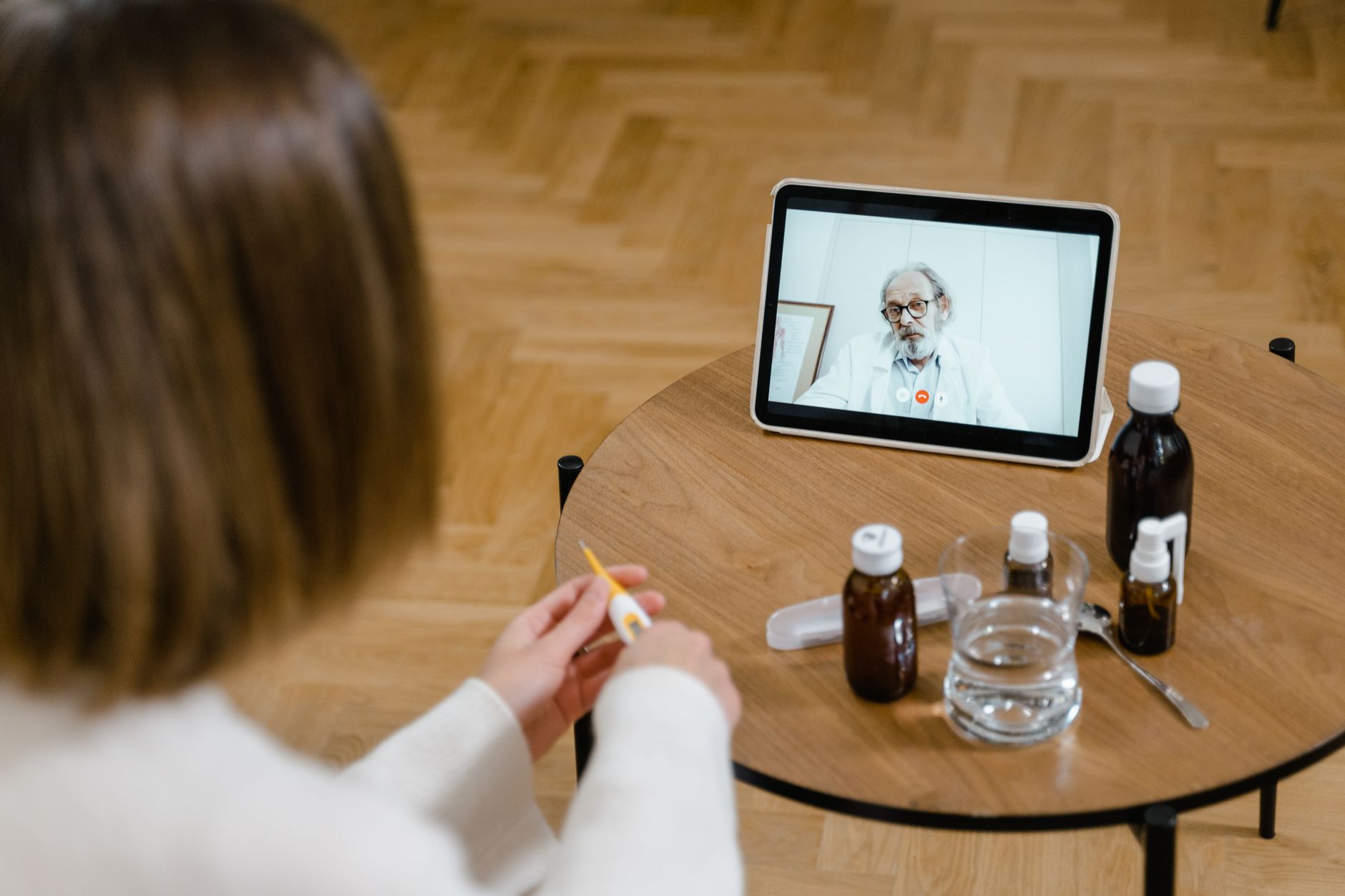
Digital technology is revolutionizing healthcare delivery across India, making services more accessible and efficient. Telemedicine platforms have experienced explosive growth, particularly accelerated by the COVID-19 pandemic. These services connect patients in remote locations with doctors and specialists through video consultations, eliminating geographical barriers.
The government's eSanjeevani platform has facilitated millions of teleconsultations since its launch, providing free digital healthcare services. Private telemedicine companies have also expanded rapidly, offering affordable consultations, medicine delivery, and diagnostic test bookings through mobile applications.
Key Digital Healthcare Initiatives
- Ayushman Bharat Digital Mission creating unique health IDs for citizens to maintain digital health records
- CoWIN platform demonstrating India's capacity to manage large-scale digital health programs through its vaccination tracking system
- Mobile health applications providing health information, appointment scheduling, and medication reminders
- Artificial intelligence tools assisting in diagnostics, particularly for conditions like diabetic retinopathy and tuberculosis screening
- Electronic health records enabling better coordination among healthcare providers
Integration of Traditional and Modern Medicine
India's approach uniquely incorporates traditional medicine systems including Ayurveda, Yoga, Unani, Siddha, and Homeopathy (AYUSH) alongside allopathic medicine. Digital platforms now provide consultations with practitioners across these systems, respecting cultural preferences while expanding treatment options.
Challenges and the Path Forward
Despite progress, significant challenges remain. Digital literacy gaps, particularly among elderly and rural populations, limit telemedicine adoption. Internet connectivity issues affect service quality in remote areas. Concerns about data privacy and the quality of online consultations require robust regulatory frameworks.
Healthcare workforce shortages persist, with India having fewer doctors and nurses per capita than recommended by the World Health Organization. Sustaining community health programs requires adequate compensation and career development opportunities for frontline workers.
Financial barriers continue to affect healthcare access. While government schemes like Ayushman Bharat provide insurance coverage to vulnerable populations, out-of-pocket expenses remain high for many families. Expanding coverage and reducing costs through generic medicines and efficient service delivery models are ongoing priorities.
The integration of community outreach with digital platforms represents a promising model for improving healthcare access in resource-constrained settings. As technology penetration deepens and community health networks strengthen, India's hybrid approach may offer valuable lessons for other developing nations facing similar challenges.
This article provides general information about healthcare developments in India and should not be considered medical advice. Readers should consult qualified healthcare professionals for specific medical concerns.