India is set to host the 16th meeting of BRICS Health Ministers in Chandigarh from July 22 to 24, marking a significant gathering of health leaders from the influential bloc of emerging economies. The event underscores India's commitment to multilateral health cooperation and its role in shaping global health policies among developing nations.
Understanding BRICS and Its Health Cooperation
BRICS originally comprised Brazil, Russia, India, China, and South Africa, representing some of the world's largest emerging economies. The bloc has recently expanded to include new members, making it an even more influential grouping on the global stage. The BRICS Health Ministers' meetings serve as a crucial platform for these nations to coordinate responses to common health challenges, share best practices, and develop joint strategies for improving healthcare systems.
These ministerial meetings have gained particular importance in recent years, especially following the COVID-19 pandemic, which highlighted the need for stronger international cooperation in health emergencies. BRICS nations collectively represent a significant portion of the global population and face similar healthcare challenges, including managing communicable diseases, addressing non-communicable disease burdens, and strengthening health infrastructure.
Key Areas of Discussion
The Chandigarh meeting is expected to focus on several critical health priorities that affect BRICS nations. Antimicrobial resistance remains a major concern, as overuse and misuse of antibiotics continue to create drug-resistant pathogens that threaten public health systems worldwide. BRICS countries have been working together to develop surveillance systems and promote rational use of antimicrobials.
Traditional medicine is another area where BRICS nations share common ground. Countries like India and China have rich traditions of alternative medicine systems that are increasingly being integrated into modern healthcare frameworks. The meeting may explore ways to validate, standardize, and promote traditional medicine practices across member nations.
Digital health transformation is likely to feature prominently on the agenda. The pandemic accelerated the adoption of telemedicine, electronic health records, and other digital health solutions. BRICS nations can benefit from sharing technological innovations and creating interoperable systems that improve healthcare delivery, especially in remote and underserved areas.
Strengthening Health Systems and Emergency Preparedness
Universal health coverage remains a shared goal for BRICS nations. Despite economic growth, many citizens in these countries still lack access to affordable, quality healthcare. The ministers are expected to discuss strategies for expanding health coverage, reducing out-of-pocket expenditure, and ensuring that economic development translates into better health outcomes for all citizens.
Pandemic preparedness and response mechanisms will likely be a critical discussion point. The COVID-19 experience demonstrated both strengths and weaknesses in global health governance. BRICS nations have advocated for more equitable access to vaccines, medicines, and health technologies during health emergencies. The meeting provides an opportunity to strengthen early warning systems, coordinate research and development, and establish frameworks for sharing resources during future health crises.
Vaccine Development and Pharmaceutical Cooperation
BRICS nations have substantial pharmaceutical manufacturing capacity, with India and China being major producers of generic medicines and vaccines. Collaboration in this sector can enhance drug security, reduce dependence on external sources, and ensure more affordable medicines for billions of people.
Joint research initiatives in vaccine development, clinical trials, and regulatory harmonization can accelerate the availability of new treatments and preventive measures. The meeting may explore establishing common regulatory standards that facilitate faster approval processes while maintaining safety and efficacy standards.
India's Role as Host
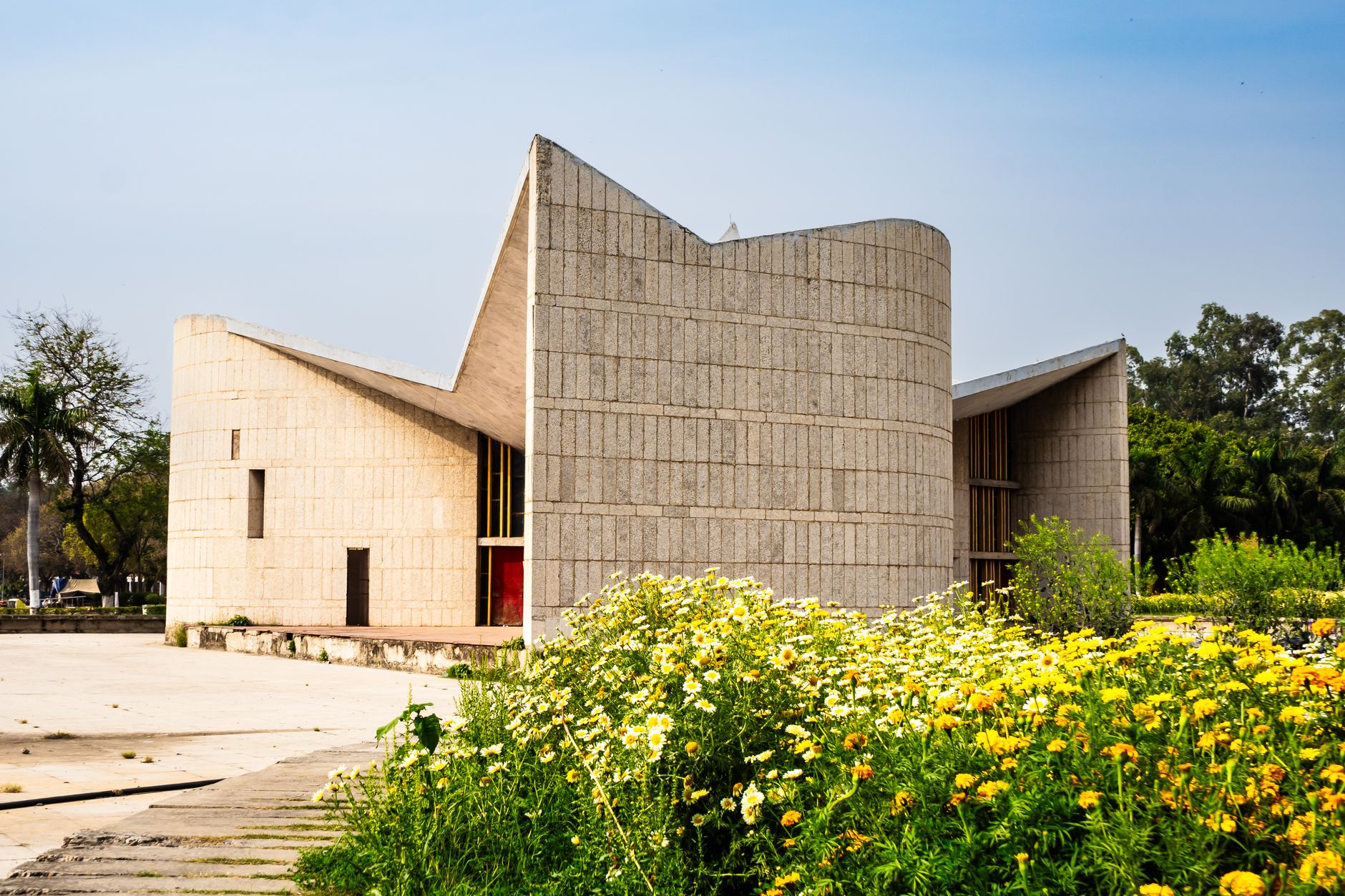
Choosing Chandigarh as the venue highlights India's federal structure and the importance of state-level health systems. The city, known for its planned infrastructure and growing healthcare sector, provides an appropriate setting for discussions on modern health system development.
As the host nation, India has an opportunity to showcase its healthcare achievements, including its digital health initiatives like the Ayushman Bharat Digital Mission, its pharmaceutical manufacturing capabilities, and its progress in managing diseases like tuberculosis and malaria. India can also present its vision for BRICS health cooperation and propose new initiatives for collaborative action.
Looking Ahead
The outcomes of this meeting will shape BRICS health cooperation for the coming years. Joint declarations, action plans, and working group formations are expected to emerge from these discussions. The success of this gathering will be measured not just by the agreements reached but by the concrete actions that follow in improving health outcomes for the nearly half of the world's population that BRICS nations represent.
The Chandigarh meeting represents an important milestone in South-South cooperation on health, demonstrating that developing nations can work together to address common challenges without depending solely on traditional global health institutions.