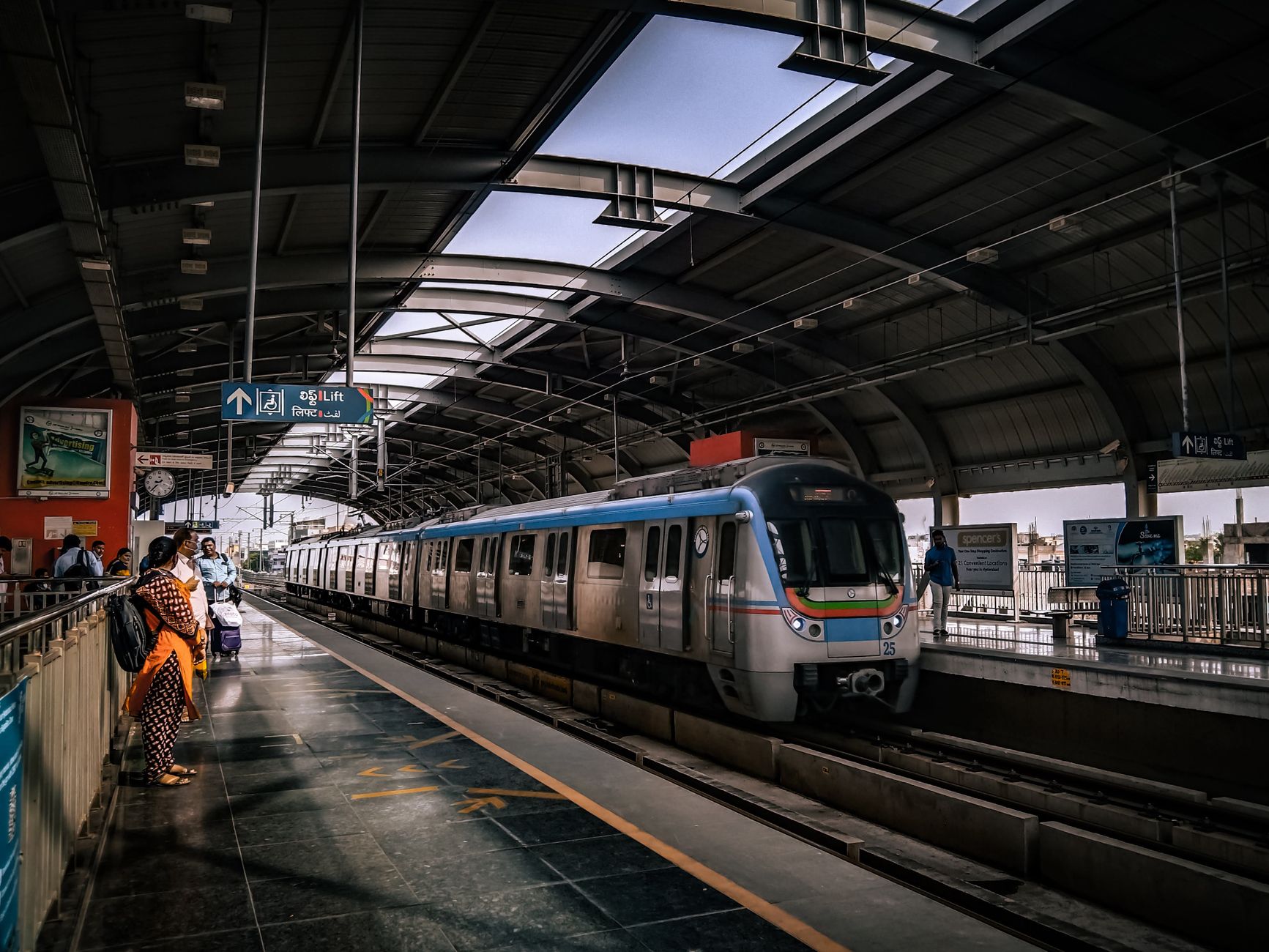
India's travel sector is experiencing unprecedented growth and transformation, fundamentally changing how millions of citizens and visitors navigate the vast subcontinent. From high-speed rail corridors to expanded airport networks and digital booking platforms, the nation's mobility infrastructure is evolving rapidly to meet the demands of an increasingly mobile population.
Infrastructure Development Driving Connectivity
The backbone of India's travel revolution lies in ambitious infrastructure projects spanning railways, highways, and aviation. The Indian Railways, one of the world's largest rail networks, has been modernizing with semi-high-speed trains like Vande Bharat Express connecting major cities in record time. New dedicated freight corridors are freeing up passenger lines, while station redevelopment projects are transforming travel hubs into world-class facilities.
The highways sector has witnessed equally dramatic progress. The Bharatmala Pariyojana and Golden Quadrilateral projects have created thousands of kilometers of modern expressways, reducing travel times between major economic centers. These improvements have made road trips more viable and comfortable, encouraging domestic tourism and commercial movement alike.
Aviation infrastructure has expanded significantly with new airports opening in tier-2 and tier-3 cities, democratizing air travel beyond metropolitan areas. Regional connectivity schemes have introduced affordable flights to previously underserved destinations, opening new tourism possibilities and business opportunities.
Digital Revolution in Travel Planning
Technology has fundamentally altered how Indians plan and execute their journeys. Mobile applications now handle everything from ticket booking to real-time journey tracking. The IRCTC platform processes millions of rail bookings daily, while aggregator apps compare prices across buses, flights, and trains instantly.
Digital payments have eliminated much of the friction from travel transactions. Unified Payments Interface has made cashless travel seamless, from highway tolls to ticket counters. Travel apps offer integrated solutions covering accommodation, local transport, and tourist attractions, putting comprehensive trip planning at travelers' fingertips.
Growing Domestic Tourism
Indians are increasingly exploring their own country, driven by rising disposable incomes, improved connectivity, and changing aspirations. Domestic tourism has grown exponentially, with travelers seeking diverse experiences from Himalayan adventures to coastal retreats, heritage tours to wildlife safaris.
State governments have recognized tourism's economic potential, investing in destination development and marketing. Lesser-known locations are being promoted alongside traditional favorites, distributing tourist traffic more evenly and creating livelihood opportunities in remote areas.
Weekend getaways have become commonplace among urban professionals, supported by improved road networks and hospitality infrastructure. Homestays, eco-resorts, and boutique properties offer alternatives to conventional hotels, catering to evolving traveler preferences for authentic local experiences.
Sustainability and Responsible Travel
As travel volumes increase, sustainability concerns are gaining attention. Electric vehicle adoption in public transport, particularly electric buses and auto-rickshaws in cities, represents a shift toward cleaner mobility. Railways are increasingly powered by renewable energy, with solar installations at stations and electrified tracks reducing carbon footprints.
Travelers themselves are becoming more conscious about environmental impacts. Eco-tourism initiatives that emphasize conservation and community benefits are gaining popularity. Plastic-free zones at tourist destinations and responsible travel guidelines reflect growing awareness about preserving natural and cultural heritage.
Challenges and Opportunities
Despite remarkable progress, challenges remain. Overcrowding at popular destinations during peak seasons strains infrastructure and degrades visitor experiences. Balancing tourism growth with heritage conservation and environmental protection requires careful planning and enforcement.
Last-mile connectivity continues to pose difficulties in reaching remote destinations. While major routes have improved dramatically, feeder roads and local transport networks often lag behind, limiting accessibility to hidden gems.
The travel industry faces a skilled workforce shortage, particularly in hospitality and guided tours. Training programs and vocational courses are essential to maintain service quality as the sector expands.
Future Prospects
India's travel sector shows no signs of slowing. Planned high-speed rail corridors, expanded metro networks in multiple cities, and continued airport development promise further transformation. Emerging technologies like artificial intelligence in travel planning and augmented reality for enhanced tourist experiences will likely reshape the journey ahead.
As India moves forward, the convergence of infrastructure development, digital innovation, and changing traveler mindsets creates enormous potential for economic growth, cultural exchange, and national integration through enhanced mobility.