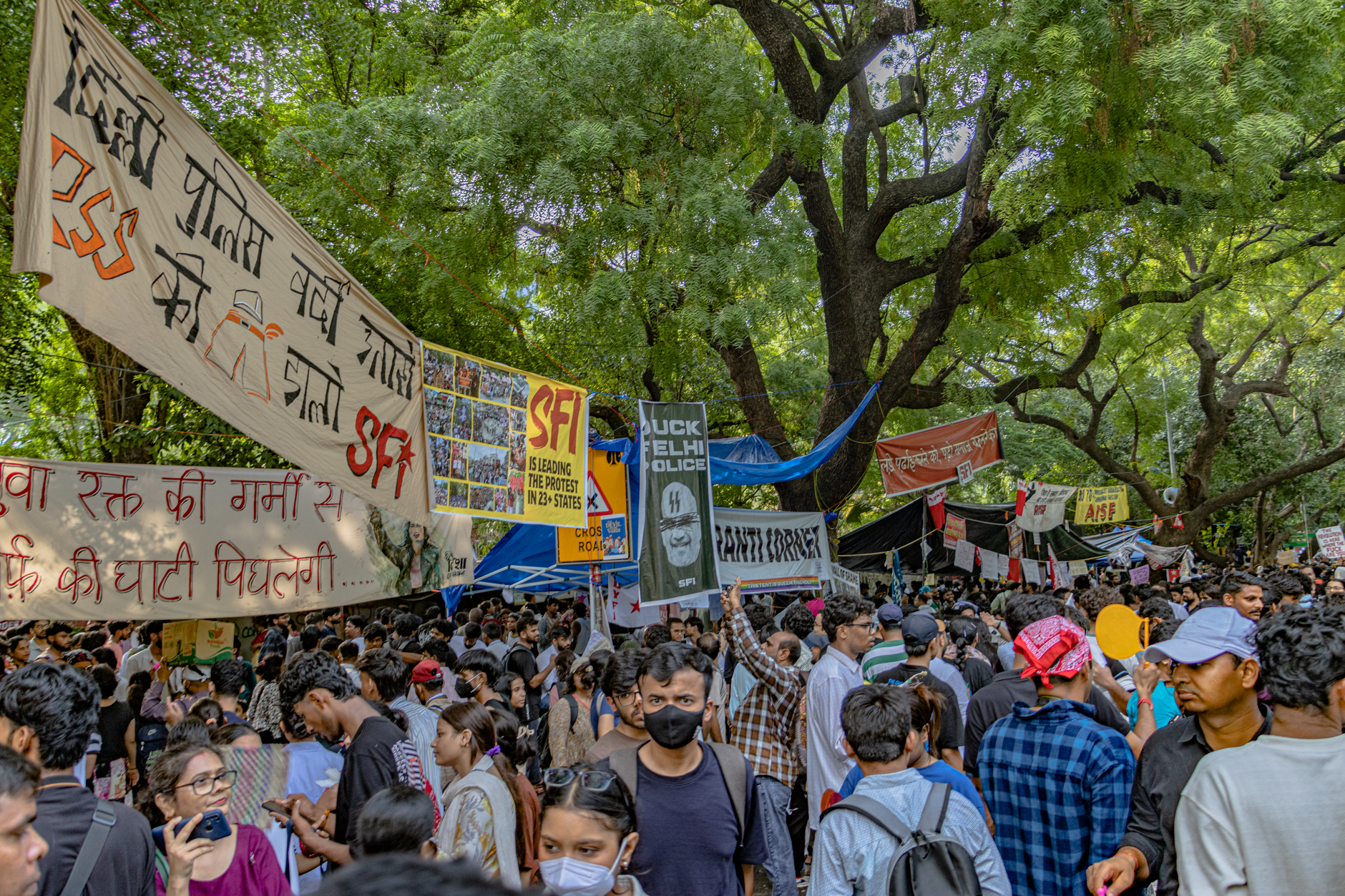
Student protests in India have recently gained attention under the moniker "Cockroach" protests, a term that has become symbolic of deeper frustrations within the country's education system. These demonstrations reflect growing discontent among students regarding various issues ranging from infrastructure deficiencies to policy concerns affecting their academic futures.
What Are the 'Cockroach' Protests?
The protests derive their name from students highlighting substandard living conditions in educational institutions, particularly in hostels and mess facilities where pest infestations, including cockroaches, have become symbolic of broader neglect. Students across multiple universities have used this imagery to draw attention to deteriorating infrastructure, inadequate facilities, and what they perceive as administrative indifference to their concerns.
Beyond physical infrastructure, the protests have also encompassed grievances about examination policies, fee structures, scholarship delays, and the quality of education delivery. The movement has gained momentum through social media, with students sharing photos and videos of unsanitary conditions, thereby amplifying their demands for accountability and improvement.
Government and Administrative Responses
The Indian government's response to these protests has been multi-layered, varying across different states and institutions. Central government authorities have acknowledged the need for infrastructure upgrades in higher education institutions, with several ministers making public statements about ongoing initiatives to improve campus facilities.
At the parliamentary level, questions have been raised about the allocation of funds for hostel maintenance and upgrades. The Ministry of Education has pointed to existing schemes aimed at improving infrastructure in centrally funded institutions, including provisions under various education development programs.
Institutional-Level Actions
Many universities and colleges have responded by forming committees to investigate specific complaints raised by protesting students. Several institutions have announced immediate measures such as pest control operations, mess menu revisions, and infrastructure audits. Some universities have also initiated dialogue with student representatives to address concerns systematically.
However, student groups have expressed mixed reactions to these responses, with many arguing that measures announced are merely reactive and lack long-term planning. Critics contend that sustainable solutions require increased budgetary allocations rather than temporary fixes.
Policy Implications and Debates
The protests have sparked broader debates about the state of India's education infrastructure. Education experts have highlighted that many institutions, particularly state universities and older central universities, face chronic underfunding. The infrastructure challenges are particularly acute in hostels, which often struggle with overcrowding and maintenance backlogs.
Parliamentary discussions have touched upon the need for revised funding norms that account for inflation and growing student populations. Some political parties have used the protests to critique government spending priorities, arguing for increased education sector allocations in upcoming budgets.
Student Welfare Measures Announced
In response to the growing movement, several state governments have announced student welfare initiatives. These include proposals for hostel modernization funds, revised hygiene standards for institutional messes, and the establishment of student grievance redressal mechanisms with defined timelines for resolution.
The University Grants Commission has also issued advisories to affiliated institutions regarding maintenance of minimum standards in student facilities. These guidelines emphasize regular inspections and student participation in monitoring committees.
Challenges in Implementation
Despite announcements and commitments, implementation remains a significant challenge. Many institutions cite financial constraints and bureaucratic delays as obstacles to rapid improvement. The gap between centrally funded elite institutions and state universities or colleges in tier-2 and tier-3 cities remains substantial.
Student activists have emphasized that sustained pressure and monitoring are necessary to ensure that commitments translate into tangible improvements. They have called for transparent reporting mechanisms where students can track the progress of announced initiatives.
Looking Forward
The 'Cockroach' protests represent a moment of reckoning for India's education system, highlighting the need for systemic reforms beyond temporary fixes. As India aims to position itself as a global education hub, addressing fundamental infrastructure and welfare concerns becomes crucial for maintaining student confidence and institutional credibility.
The government's response, while acknowledging the issues, will ultimately be judged by the concrete improvements students experience in their daily academic lives. The protests have successfully brought student welfare concerns into mainstream discourse, creating momentum for change that education stakeholders across the country will need to sustain through committed action and adequate resource allocation.