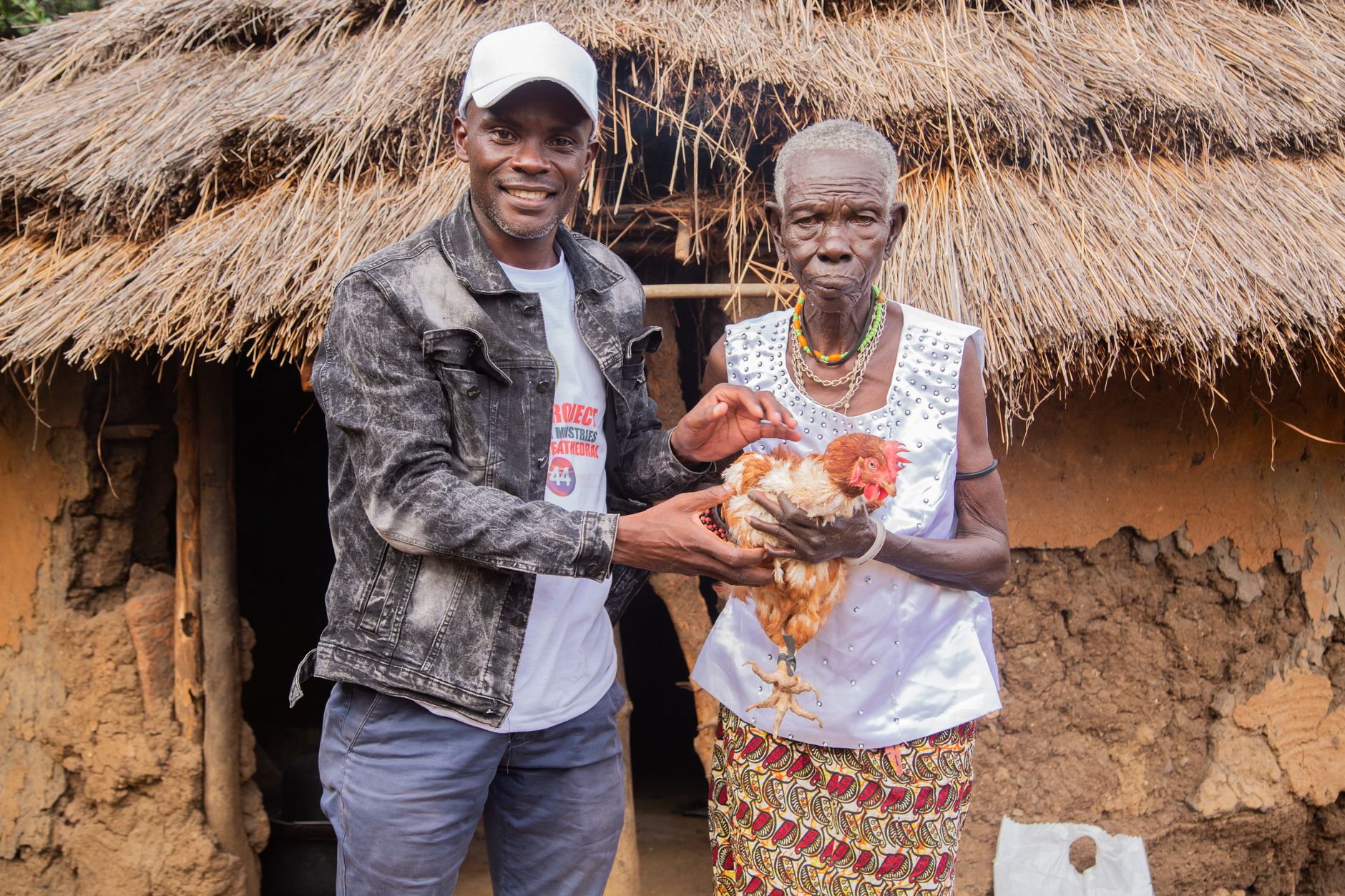
When we think of United Nations peacekeepers, images of armed patrols and conflict mediation typically come to mind. However, Indian peacekeepers stationed in South Sudan are redefining their role by addressing a critical but often overlooked aspect of community stability: livestock health. In the Jonglei region, Indian veterinary teams from the United Nations Mission in South Sudan (UNMISS) are delivering essential animal healthcare services that are transforming rural economies and food security.
The Critical Role of Livestock in South Sudan
For communities in Jonglei and across South Sudan, livestock represents far more than a source of food. Cattle, goats, and sheep constitute the primary form of wealth, serve as currency for dowries and trade, and form the foundation of cultural identity. The loss of animals to disease can devastate entire families and communities, triggering food insecurity and sometimes even conflict over remaining resources.
In regions still recovering from years of civil war, where infrastructure remains limited and access to veterinary services is virtually non-existent, livestock diseases spread rapidly and unchecked. Common ailments like trypanosomiasis, foot-and-mouth disease, and various parasitic infections can wipe out herds that families have spent generations building.
Beyond Peacekeeping: The Veterinary Mission
The Indian contingent's veterinary initiative represents an innovative approach to peacekeeping that recognizes the interconnection between livelihood security and lasting peace. These trained veterinary professionals travel to remote villages, often in challenging terrain, to provide services that local communities have rarely, if ever, accessed.
The scope of their work includes:
- Conducting health assessments and treating sick animals
- Administering vaccinations against common livestock diseases
- Providing training to local herders on disease prevention and basic animal husbandry
- Distributing essential veterinary medicines and supplements
- Offering guidance on nutrition and breeding practices
- Creating awareness about zoonotic diseases that can affect human health
The Ripple Effect on Communities
The impact of improved livestock health extends well beyond individual animals. When cattle remain healthy and productive, families experience increased milk production, providing essential nutrition for children and surplus for sale. Healthy breeding stock ensures herd growth, building household wealth and resilience against future shocks.
Women and girls, who often bear responsibility for small livestock like goats and chickens, particularly benefit from these interventions. When their animals thrive, they gain greater economic independence and decision-making power within their households.
The initiative also helps reduce tensions between communities. In regions where cattle raiding has been both a cause and consequence of conflict, healthier and more productive herds mean communities are less desperate and more stable, reducing one potential trigger for violence.
Capacity Building for Lasting Impact
Recognizing that sustainable change requires local ownership, the Indian peacekeepers emphasize knowledge transfer. They train community animal health workers who can continue providing basic services after the peacekeepers depart. This capacity-building approach ensures that the benefits extend long beyond any single intervention.
Young people in these communities are learning valuable skills that can become livelihood opportunities. Trained community veterinary workers gain status and employment, while the knowledge they acquire benefits entire regions.
Challenges and Future Prospects
Despite their success, significant challenges remain. The vast distances between settlements, limited road infrastructure, and seasonal flooding make regular access difficult. The shortage of veterinary supplies and medicines means teams must prioritize the most critical interventions.
However, the initiative demonstrates an important evolution in peacekeeping philosophy. By addressing the underlying economic and social factors that contribute to instability, peacekeepers can help build foundations for lasting peace that go beyond merely maintaining ceasefires.
A Model for Holistic Peacekeeping
The Indian veterinary mission in Jonglei offers a template for how peacekeeping forces can leverage diverse expertise to address complex challenges. It recognizes that true security encompasses not just the absence of violence but the presence of conditions that allow communities to thrive.
As climate change and environmental pressures increasingly threaten livestock health worldwide, such integrated approaches become even more vital. The success of this initiative may inspire similar efforts in other peacekeeping missions, where specialized skills can be deployed to address the root causes of instability.
This article is for general informational purposes only and reflects publicly available information about international peacekeeping activities. For specific information about UNMISS operations or veterinary programs in South Sudan, readers should consult official United Nations sources.