The recent wave of student protests across India has thrust the country's examination system into the spotlight, prompting Prime Minister Narendra Modi to publicly acknowledge the crisis of recurring exam leaks. This development marks a critical juncture in India's education landscape, raising questions about what meaningful changes might emerge from this moment of reckoning.
The Scale of the Exam Leak Problem
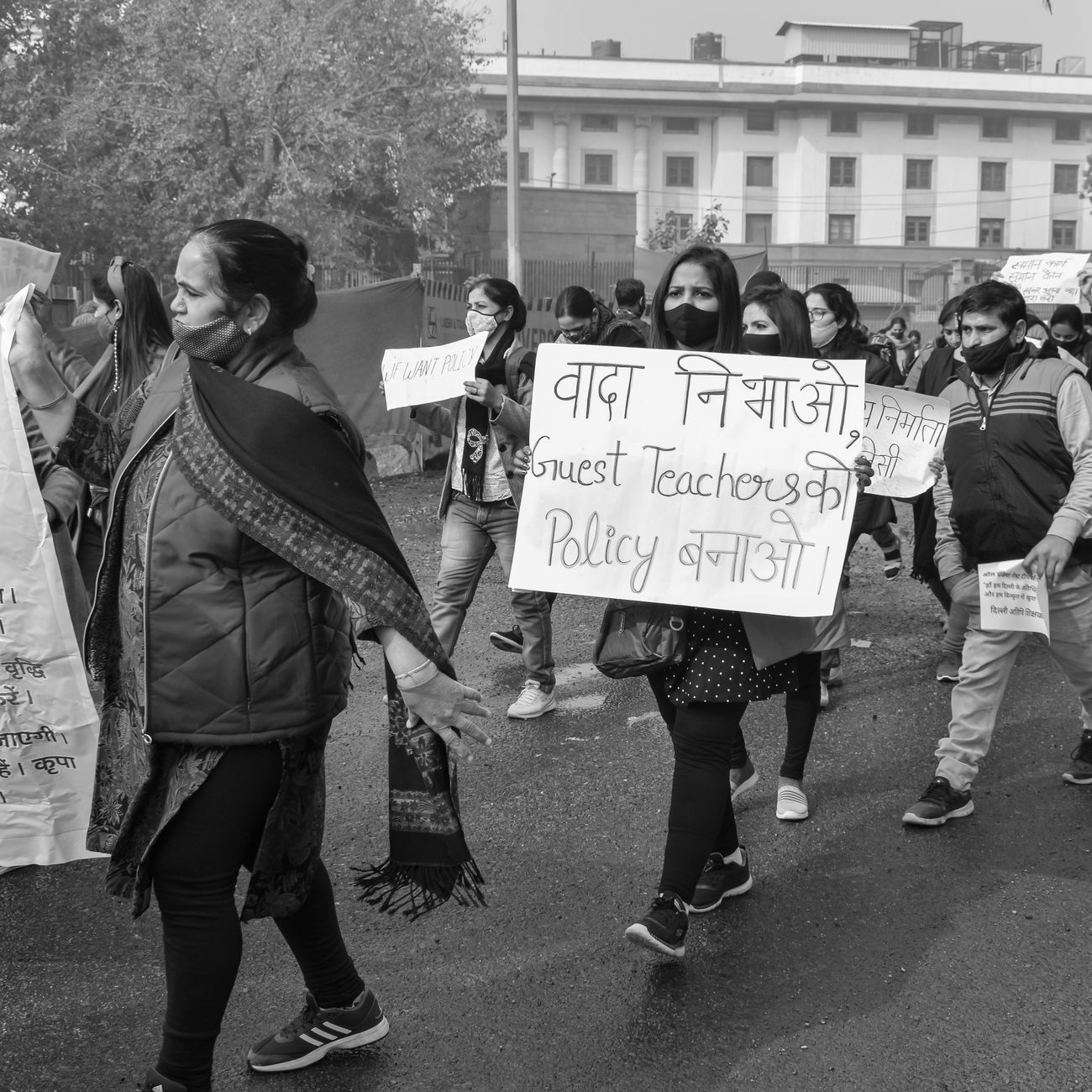
Examination leaks have plagued India's education system for years, affecting everything from board exams to competitive entrance tests. These breaches undermine the integrity of assessments that determine the academic and professional futures of millions of young Indians. Recent incidents involving major examinations have triggered widespread anger, with students taking to the streets demanding accountability and systemic reform.
The issue extends beyond individual incidents. Paper leaks create an uneven playing field where honest students face disadvantage against those who obtain questions beforehand through illegal networks. This erosion of meritocracy strikes at the heart of India's education system, which serves as a crucial pathway for social mobility.
What Modi's Promise Entails
The Prime Minister's acknowledgment represents a significant political response to mounting public pressure. However, promises alone cannot fix deeply entrenched problems. Students and education stakeholders are now watching closely for specific policy measures and institutional reforms that translate words into action.
Key areas requiring attention include strengthening examination security protocols, implementing digital safeguards, establishing faster redressal mechanisms, and ensuring strict penalties for those involved in leak conspiracies. The government must also address the human element—corruption among officials and examiners who facilitate these breaches.
Potential Reform Pathways
Several reform options are being discussed among education policy circles. These include:
- Implementing advanced technology solutions such as blockchain-based question paper distribution and secure digital examination platforms
- Decentralizing examination processes to reduce single points of failure where leaks commonly occur
- Introducing multiple question paper sets with randomized distribution to minimize leak impact
- Strengthening background verification and monitoring of examination center staff
- Creating independent oversight bodies with investigative powers to detect and prevent leaks
- Establishing fast-track courts specifically for examination fraud cases
The Digital Examination Debate
One major reform pathway involves transitioning toward computer-based testing for major examinations. Countries like the United States have successfully implemented digital testing for standardized exams, reducing paper-based vulnerabilities. However, India's digital infrastructure challenges—including internet connectivity gaps and device access disparities—make nationwide implementation complex.
Any digital shift must account for India's vast geography and socioeconomic diversity. Rural students often lack the same technological access as their urban counterparts, potentially creating new forms of inequity even while solving old problems.
Student Demands Beyond Leak Prevention
The protests have evolved beyond immediate exam leak concerns to encompass broader grievances about India's examination culture. Students are questioning the heavy reliance on high-stakes testing, limited examination attempts for certain competitive exams, and the immense psychological pressure created by do-or-die assessment formats.
Many student groups advocate for more holistic evaluation methods, continuous assessment models, and reducing the disproportionate weight placed on single examinations. These systemic concerns require deeper educational philosophy shifts beyond technical fixes to leak prevention.
Institutional Accountability Challenges
Meaningful reform requires holding institutions accountable when leaks occur. Currently, response mechanisms often involve exam cancellations and postponements that punish honest students alongside perpetrators. Students demand compensation frameworks for those affected by leaks, stricter action against complicit officials, and transparent investigation processes.
The National Testing Agency and various state examination boards face scrutiny over their operational protocols and crisis management capabilities. Rebuilding public trust requires not just preventing future leaks but also demonstrating serious consequences for past failures.
The Road Ahead
The coming months will reveal whether this moment produces genuine transformation or becomes another cycle of promises followed by business as usual. Students, having mobilized successfully to gain government attention, will likely maintain pressure through continued advocacy and monitoring of implementation.
Success will be measured not by announcements but by tangible outcomes: fewer examination leaks, faster resolution when breaches occur, and restored confidence in the fairness of India's testing systems. The examination ecosystem involves multiple stakeholders—government bodies, educational institutions, technology providers, and civil society—all of whom must coordinate effectively for lasting change.
The student protests have opened a window for reform, but translating that opportunity into concrete improvements remains the critical challenge facing India's education system.