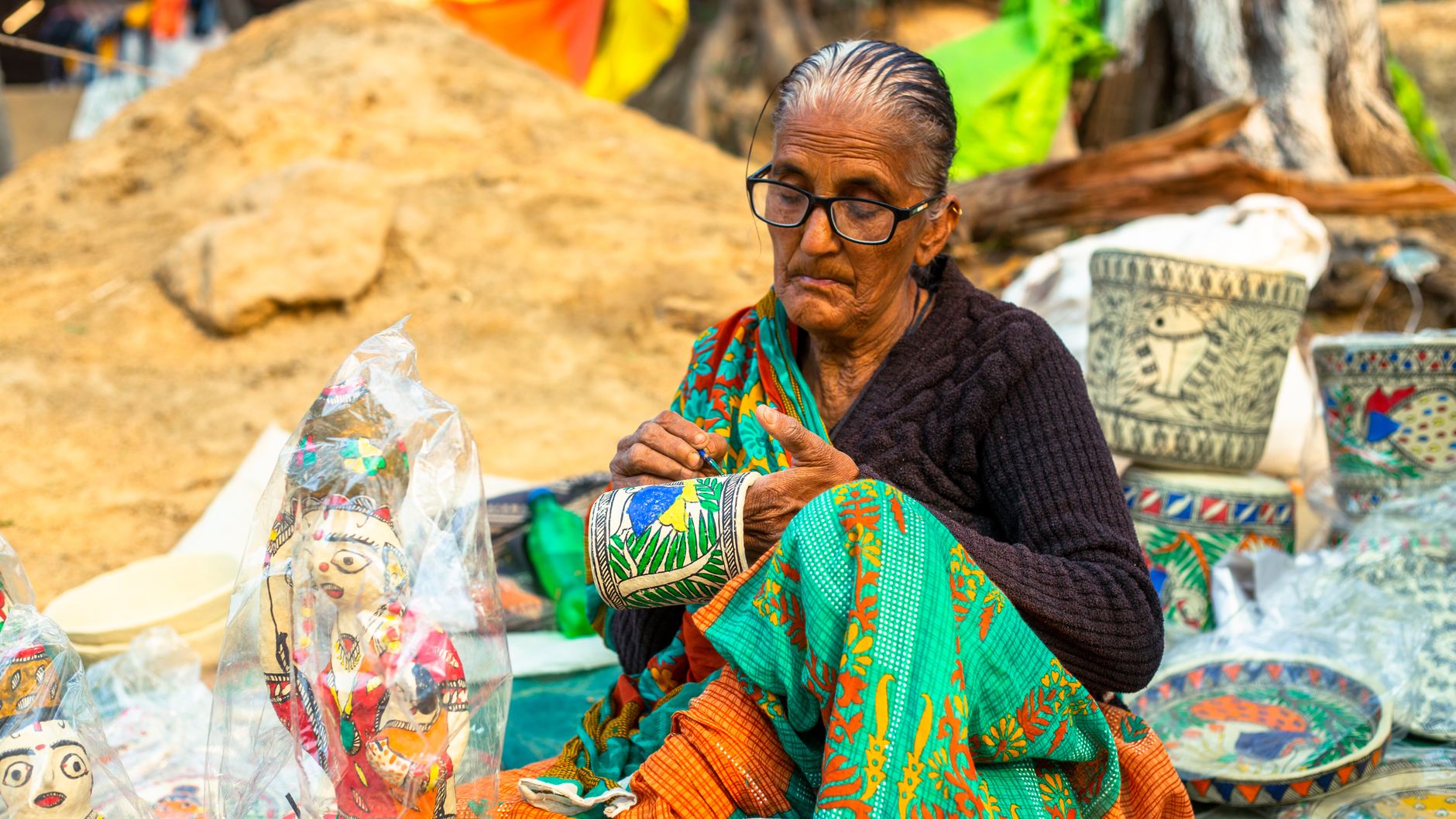
India has witnessed a remarkable demographic shift over the past few decades, with women's life expectancy climbing to unprecedented levels. Today, Indian women live an average of 72 years, a significant jump from just 50 years in the 1970s. However, this statistical triumph masks a troubling reality that demands urgent attention from policymakers, healthcare providers, and society at large.
The Paradox of Longevity
The increase in life expectancy represents medical and public health achievements, including better maternal healthcare, vaccination programs, and disease management. Yet longevity alone does not equate to wellbeing. Research indicates that Indian women are spending a disproportionate number of their additional years battling chronic illnesses, disabilities, and diminished quality of life.
A critical metric often overlooked is healthy life expectancy, which measures years lived in good health rather than merely years lived. For Indian women, the gap between total life expectancy and healthy life expectancy has been widening. Many women are surviving into their 60s and 70s but doing so with conditions like diabetes, hypertension, arthritis, osteoporosis, and mental health challenges that severely limit their daily functioning.
Health Challenges Accumulating Over Decades
Several factors contribute to this concerning pattern. Throughout their lives, Indian women face compounded health disadvantages. Nutritional deficiencies beginning in childhood, particularly anemia and calcium deficiency, create vulnerabilities that manifest as serious conditions in later years. The persistent preference for male children in many households means girls receive less nutritious food and delayed medical attention.
Reproductive health burdens further compromise women's wellbeing. Multiple pregnancies, inadequate spacing between births, and limited access to quality maternal care take cumulative tolls. Post-menopausal health receives minimal attention, leaving women unprepared for hormonal changes and associated conditions.
Economic Insecurity in Later Years
The economic dimension of women's extended lifespans presents another stark challenge. Most Indian women have limited financial independence, having worked in unpaid domestic labor or informal sector jobs without pension benefits or social security. When they outlive their spouses, which is statistically common given women's longer life expectancy, they often face poverty and dependence on adult children.
- Women constitute a majority of India's elderly poor population
- Only a small percentage of elderly women receive regular pensions
- Widowhood frequently brings social isolation alongside economic hardship
- Healthcare costs during prolonged illness can devastate family finances
The Caregiver Burden
Ironically, while women themselves face health challenges in old age, they also bear the primary responsibility for caregiving when other family members fall ill. Elderly women are expected to care for aging spouses, grandchildren, and sometimes even their own elderly parents or in-laws, despite their own declining health. This double burden accelerates their physical and mental deterioration.
Healthcare System Gaps
India's healthcare infrastructure remains ill-equipped to address the specific needs of aging women. Geriatric care is a neglected specialty, with few doctors trained in managing the complex, multiple chronic conditions that elderly patients present. Gender-sensitive healthcare that accounts for women's different disease patterns and social circumstances is virtually absent in most facilities.
Preventive healthcare and regular screening programs that could detect and manage conditions early remain inaccessible to most women, particularly in rural areas. Mental health support for elderly women dealing with depression, anxiety, and dementia is severely limited.
Path Forward
Addressing this crisis requires comprehensive policy interventions. Universal pension schemes for women, regardless of formal employment history, would provide economic security. Strengthening primary healthcare with a focus on women's life-course needs, from adolescence through old age, could prevent many chronic conditions or manage them before they become debilitating.
Community support systems, awareness programs about elderly women's rights, and investment in affordable, quality geriatric care infrastructure are essential. Society must also reconsider its attitudes toward aging women, recognizing their continued value and ensuring their dignity.
The milestone of increased longevity will only be truly worth celebrating when those additional years are lived with health, dignity, and security. Until then, the numbers tell only half the story of Indian women's lives.
This article is for general informational purposes only and should not be considered medical advice. Readers should consult healthcare professionals for specific health concerns and treatment options.