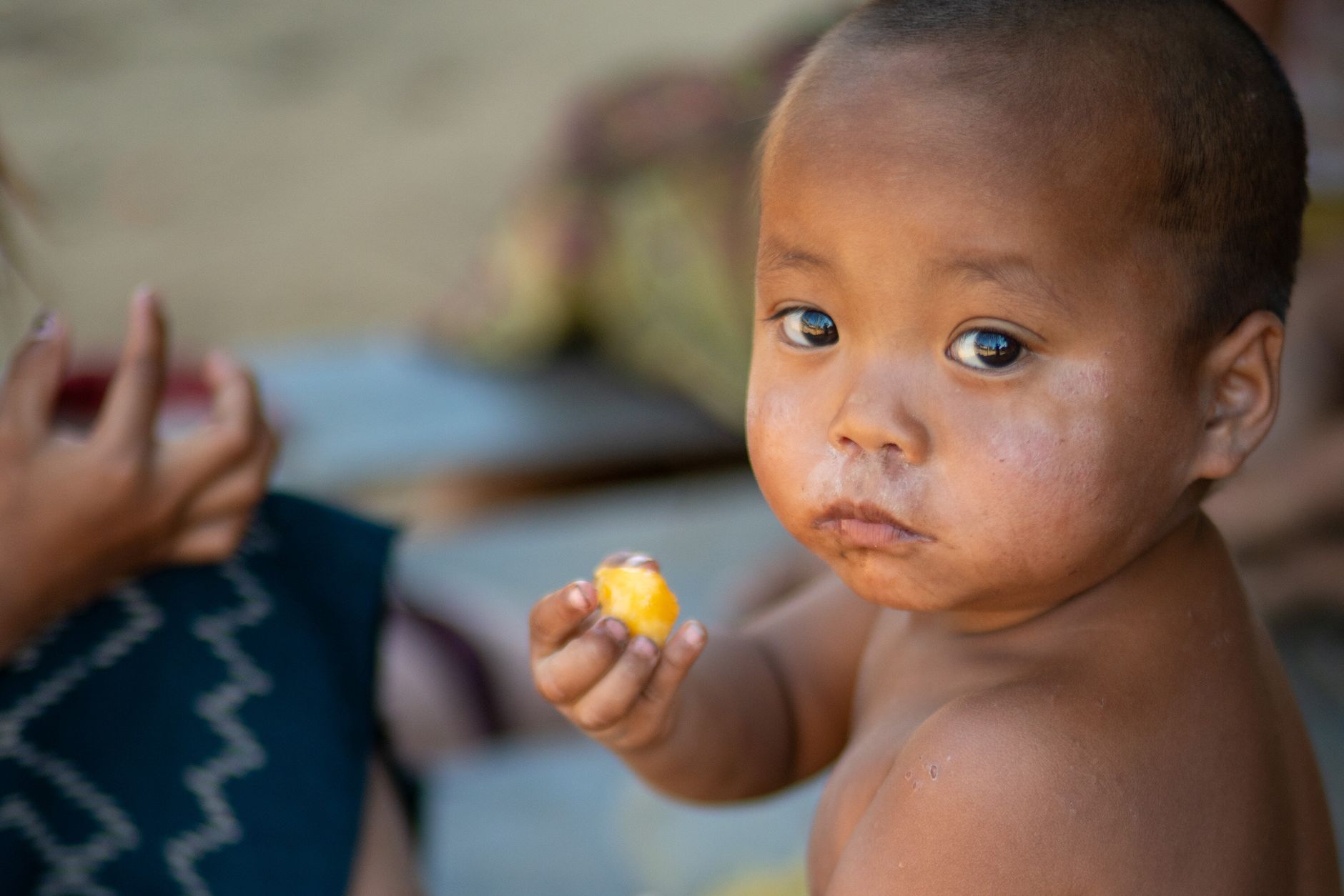
India faces a significant challenge when it comes to children's health and nutrition, with millions of young lives affected by malnutrition, undernutrition, and increasingly, lifestyle-related dietary issues. Global health experts have now stepped forward with a detailed policy roadmap designed to transform how India approaches child nutrition and health outcomes.
The Scope of India's Child Nutrition Challenge
India is home to over 400 million children, making it one of the youngest populations globally. However, the country continues to grapple with a paradoxical nutrition crisis. On one hand, stunting and wasting remain prevalent among children under five years old, indicating chronic and acute undernutrition. On the other hand, urban areas are witnessing a rise in childhood obesity and diet-related diseases due to increased consumption of processed foods high in sugar, salt, and unhealthy fats.
According to recent health surveys, approximately one-third of Indian children under five are stunted, while nearly 20 percent are wasted. These conditions have long-term consequences, affecting cognitive development, educational outcomes, and future earning potential. Meanwhile, micronutrient deficiencies, particularly iron, vitamin A, and iodine, remain widespread across socioeconomic groups.
Key Elements of the Policy Roadmap
The newly launched framework proposes a multi-sectoral approach that goes beyond traditional healthcare interventions. The roadmap emphasizes prevention, early intervention, and systemic changes to food and agricultural systems.
One major pillar focuses on strengthening maternal and infant nutrition programs. The first 1,000 days of life, from conception through a child's second birthday, are critical for lifelong health. The policy advocates for enhanced antenatal care, promotion of exclusive breastfeeding for six months, and improved complementary feeding practices with locally available, nutrient-dense foods.
Another significant component addresses the mid-day meal schemes and anganwadi services that reach millions of children daily. Experts recommend upgrading these programs with better nutritional standards, stricter quality controls, and diversified menus that incorporate regional, seasonal produce while meeting micronutrient requirements.
Tackling the Double Burden of Malnutrition
The roadmap uniquely addresses what health professionals call the "double burden" of malnutrition, where undernutrition and overnutrition coexist within the same communities, sometimes even within the same households.
For urban and semi-urban areas experiencing rising childhood obesity, the framework proposes regulations on marketing unhealthy foods to children, mandatory nutrition labeling on packaged foods, and restrictions on the sale of junk food in and around schools. Education campaigns targeting parents and children about balanced diets, portion control, and the dangers of excessive sugar consumption are also recommended.
Food Systems and Agricultural Reform
Recognizing that nutrition begins at the farm level, the policy emphasizes transforming agricultural practices to prioritize nutrition-sensitive crops. Currently, India's agricultural policies have historically focused on cereal production, particularly rice and wheat, sometimes at the expense of nutritionally diverse crops like pulses, millets, fruits, and vegetables.
The roadmap encourages incentivizing farmers to grow nutrient-rich crops, establishing better supply chains for perishable nutritious foods, and making these foods affordable and accessible to low-income families. Biofortification of staple crops with essential micronutrients represents another promising strategy highlighted in the framework.
Implementation Challenges and the Path Forward
While the policy roadmap is comprehensive, implementation across a country as vast and diverse as India presents considerable challenges. Experts acknowledge that success requires coordination among multiple government departments, adequate funding, infrastructure development, and sustained political will.
State governments will play a crucial role in adapting national guidelines to local contexts, considering regional dietary preferences, agricultural practices, and cultural norms around food. Community engagement and grassroots participation are essential for programs to be effective and sustainable.
Monitoring and evaluation systems need strengthening to track progress and make evidence-based adjustments. Digital health technologies and data analytics could help identify at-risk populations and ensure timely interventions.
The involvement of global experts brings international best practices and resources to India's nutrition challenges. However, ultimate success depends on ownership by Indian institutions, policymakers, healthcare workers, educators, and families who must work collectively to ensure every child has access to adequate nutrition and the opportunity for healthy development.
This article is for general informational purposes only and does not constitute medical or nutritional advice. Parents and caregivers should consult qualified healthcare professionals for personalized guidance regarding children's health and dietary needs.