The latest findings from the World Travel and Tourism Council paint a striking picture of India's tourism landscape: domestic travelers are responsible for an overwhelming 86% of all travel-related spending in the country. This statistic underscores a fundamental shift in how we understand India's tourism economy and reveals important trends about travel patterns in the world's most populous nation.
The Scale of Domestic Tourism in India
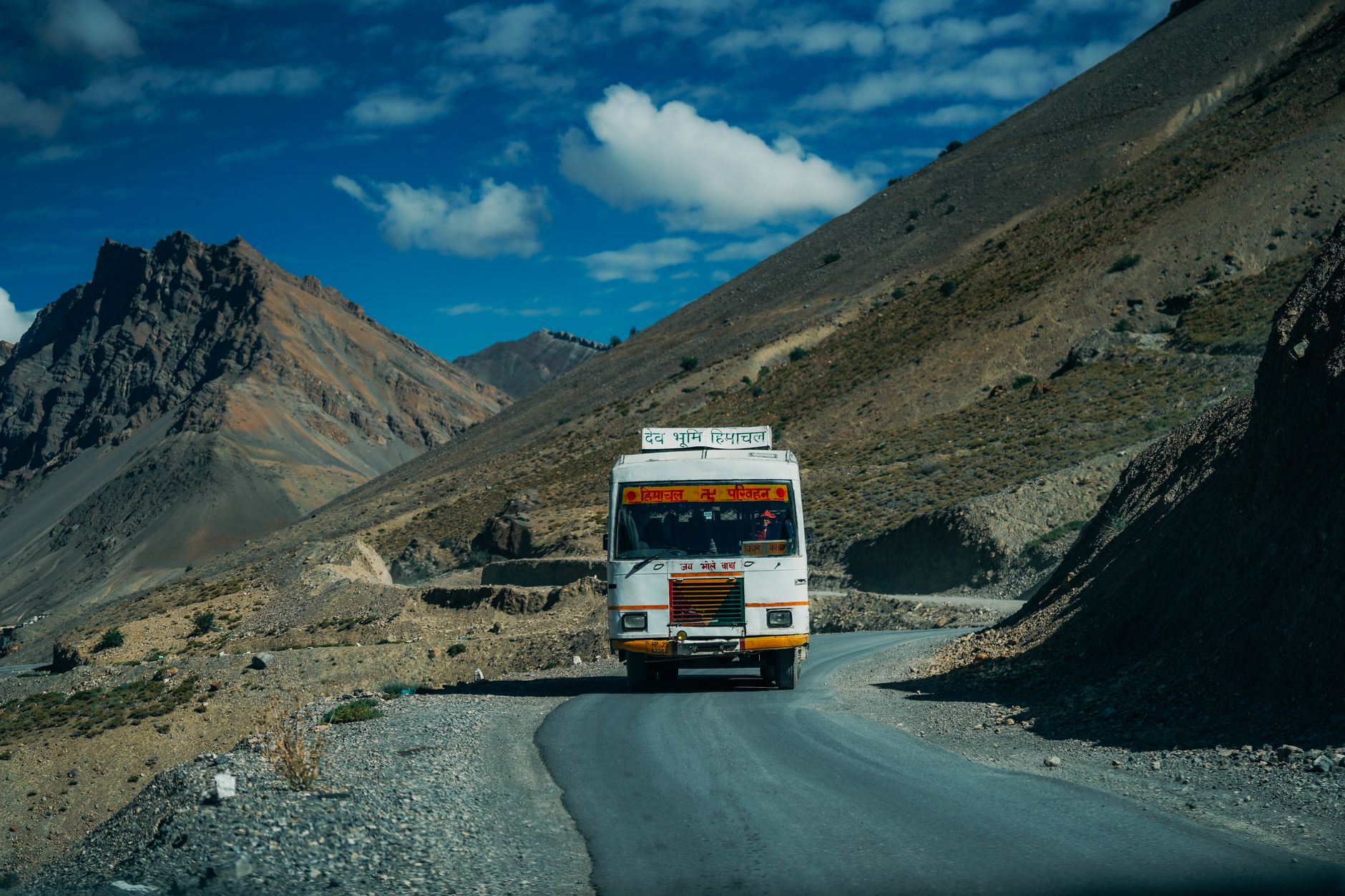
India's domestic tourism sector has grown into a behemoth that dwarfs international visitor spending. With over 1.4 billion people and a rapidly expanding middle class, the sheer number of Indians traveling within their own borders has created an enormous market. From pilgrimage sites in Varanasi to beach resorts in Goa, from hill stations in Himachal Pradesh to the backwaters of Kerala, millions of Indian families, solo travelers, and business professionals traverse the country throughout the year.
The 86% figure reflects not just volume but also the democratization of travel among Indian citizens. What was once a luxury reserved for the wealthy has become increasingly accessible to middle-class families, thanks to improved transportation infrastructure, affordable domestic airlines, and a growing culture of leisure travel.
Factors Driving Domestic Travel Growth
Several interconnected factors have fueled this domestic tourism boom. The expansion of budget airlines and competitive pricing has made air travel accessible to millions who previously relied solely on trains and buses. The development of national highways and expressways has reduced travel times between cities, making weekend getaways more feasible.
Digital technology has also played a crucial role. Online booking platforms, travel apps, and social media inspiration have made trip planning easier and more appealing to tech-savvy younger generations. Indians are increasingly using platforms to discover lesser-known destinations, book homestays, and plan experiential travel rather than just traditional sightseeing.
Government initiatives like the Swadesh Darshan scheme, which develops tourist circuits, and the PRASAD initiative for pilgrimage rejuvenation have also contributed to infrastructure improvements at domestic destinations. The push for ease of travel through improved connectivity and amenities has made domestic tourism more attractive.
Economic Implications
The dominance of domestic spending has significant implications for India's economy. Local businesses, from hotels and restaurants to tour operators and souvenir shops, derive the bulk of their revenue from Indian travelers. This creates employment opportunities across the country and helps distribute economic benefits beyond major metropolitan areas.
During the COVID-19 pandemic, when international borders closed, the resilience of domestic tourism became even more apparent. Many tourism-dependent regions survived solely on domestic travelers, demonstrating the sector's importance as an economic cushion.
The trend also means that tourism revenue is less vulnerable to global economic fluctuations, currency exchange rates, or international travel disruptions. Money spent by domestic tourists largely circulates within the Indian economy rather than being repatriated abroad.
Regional Development and Changing Preferences
Domestic tourism has sparked development in previously overlooked regions. Destinations in the Northeast, rural heritage sites, and adventure tourism spots are experiencing growth as Indian travelers seek diverse experiences beyond traditional hotspots. This has led to infrastructure development and job creation in remote areas.
Indian travelers are also becoming more sophisticated in their preferences. There's growing demand for experiential travel, wellness tourism, adventure activities, and cultural immersion. The rise of solo travel, particularly among young professionals, and family-oriented destination weddings has created new market segments.
Challenges and Opportunities
Despite the impressive numbers, challenges remain. Many popular domestic destinations face issues with overcrowding, inadequate infrastructure, and environmental degradation. The Himalayan region, for instance, struggles with waste management during peak tourist seasons. Balancing tourism growth with sustainability remains a critical challenge.
However, the opportunities are equally substantial. With only a fraction of India's tourism potential currently tapped, there's enormous room for growth. Developing lesser-known destinations, improving service quality, and creating unique experiences could further expand the market.
The 86% domestic share also presents an opportunity for tourism authorities to focus resources more effectively. By understanding that the primary customer is Indian rather than international, marketing strategies, facility development, and service standards can be better tailored to domestic preferences and price points.
As India's economy continues to grow and disposable incomes rise, domestic tourism is likely to maintain its dominant position, continuing to drive economic growth and regional development across this vast and diverse nation.