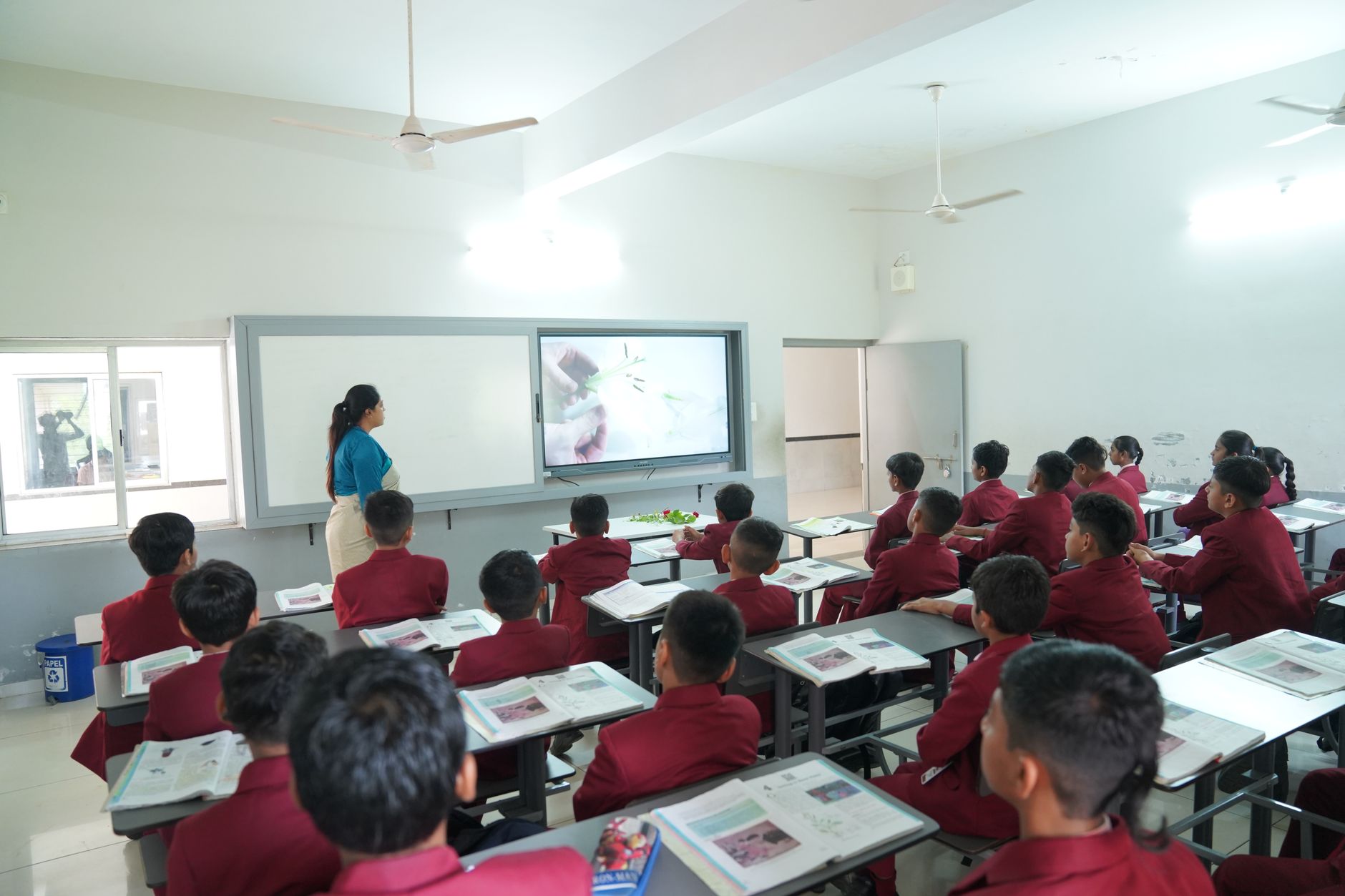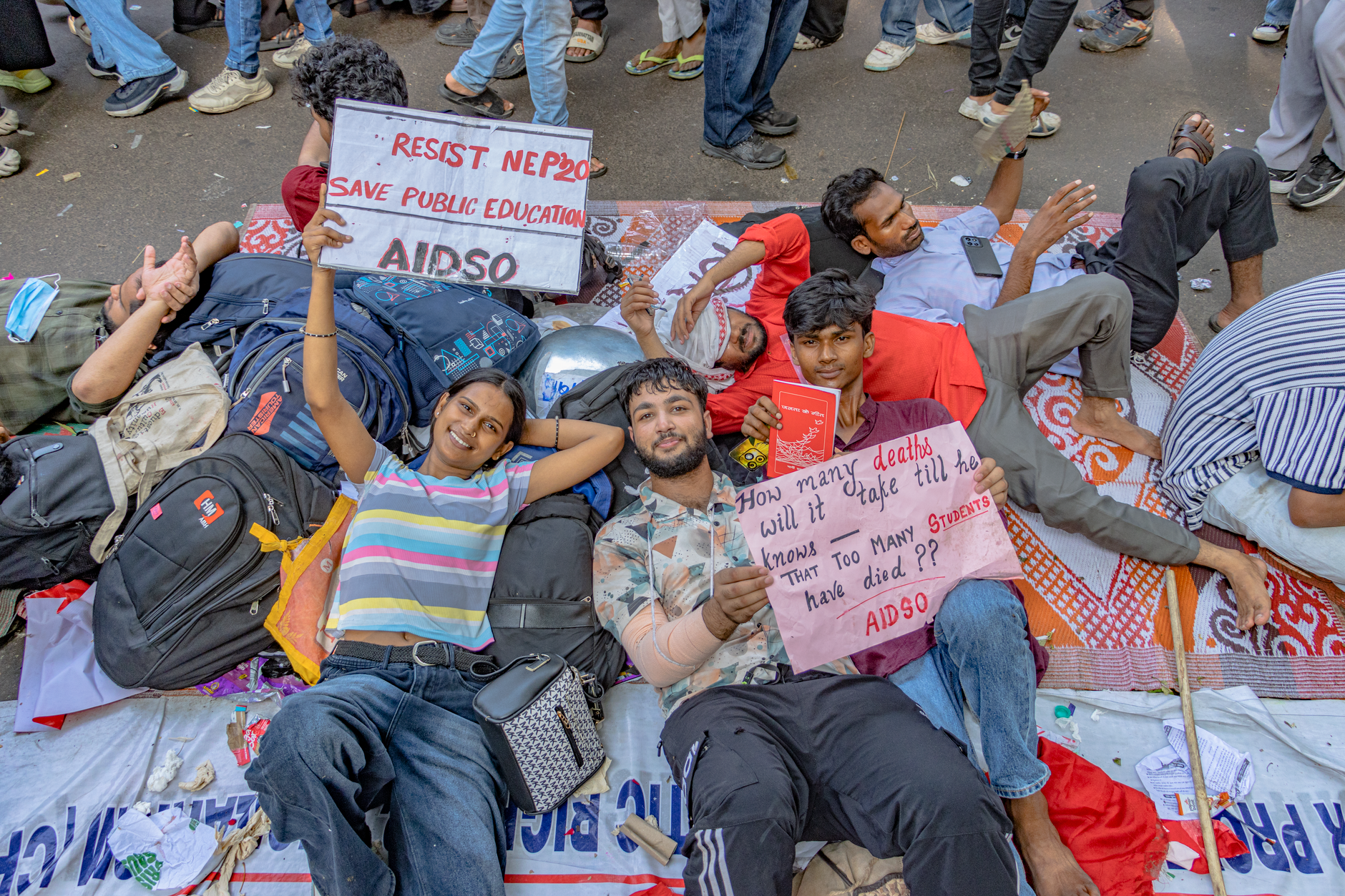
India has witnessed the resignation of its education minister following sustained protests by students and civil society groups across the country. The development marks a significant moment in the ongoing discourse around educational reforms, administrative accountability, and student activism in the world's most populous democracy.
Background to the Protests
Student protests in India have a long history of influencing policy changes and demanding accountability from government officials. In recent times, concerns over various aspects of the education system have brought thousands of students to the streets. These demonstrations typically center around issues such as examination irregularities, policy changes affecting admissions, funding cuts to educational institutions, and concerns about the quality and accessibility of education.
The education sector in India serves over 250 million students across schools and universities, making it one of the largest education systems globally. Any policy decision or administrative failure at the ministerial level can have far-reaching consequences for millions of young Indians and their families.
Key Issues Driving Student Activism
Several factors have contributed to the mounting pressure on education authorities in recent years. Examination paper leaks have become a recurring problem, undermining the credibility of competitive exams that determine the future of millions of aspirants. These incidents not only waste students' precious preparation time but also raise serious questions about system integrity.
Changes to curriculum and examination patterns often spark controversy, particularly when stakeholders feel they haven't been adequately consulted. Students and educators frequently express concerns when reforms are announced without sufficient notice or appear to disadvantage certain groups.
Funding and resource allocation to educational institutions, especially universities and research centers, remain contentious issues. Students have protested against fee hikes, infrastructure deficiencies, and perceived cuts to scholarships and financial aid programs that make education accessible to students from economically weaker sections.
The Power of Student Movements
India's student movements have historically played crucial roles in shaping national discourse. From the pre-independence era to contemporary times, student activism has been a powerful force for change. Universities and colleges serve as incubators for political awareness and civic engagement, with students often at the forefront of demanding transparency and accountability.
The digital age has amplified the reach and impact of student protests. Social media platforms enable rapid mobilization, help coordinate demonstrations across cities, and bring national and international attention to their causes. Videos and images of protests can go viral within hours, putting additional pressure on authorities to respond.
Implications of the Resignation
A ministerial resignation following protests sends a strong message about democratic accountability. It demonstrates that sustained public pressure can lead to consequences for officials perceived to have failed in their duties. However, resignations alone don't automatically resolve underlying systemic issues.
The departure of an education minister creates an opportunity for policy reset and fresh approaches to pending problems. A new appointee might bring different perspectives on contentious issues and potentially rebuild trust with stakeholders. However, real change requires addressing structural problems within the education system, not just personnel changes.
Challenges Ahead
India's education system faces numerous challenges that transcend individual ministers or governments. Ensuring quality education for all, bridging the urban-rural divide, updating curricula to meet modern workforce demands, and maintaining examination integrity require sustained effort and resources.
The balance between expansion and quality remains delicate. While India has made significant strides in increasing enrollment rates, ensuring that expanded access doesn't come at the cost of educational quality is crucial. Infrastructure gaps, teacher shortages, and outdated teaching methods continue to hamper effective learning outcomes.
Looking Forward
The resignation marks a moment of accountability, but the path forward requires collaborative efforts from all stakeholders. Students, educators, administrators, and policymakers must work together to build an education system that serves India's aspirations as a knowledge economy.
Transparency in decision-making, regular stakeholder consultations, and evidence-based policymaking could help prevent similar crises in the future. The government must also invest in strengthening institutional mechanisms that ensure examination security, fair admissions processes, and equitable resource distribution.
Student voices deserve to be heard and incorporated into education policy discussions. After all, they are the primary stakeholders whose futures depend on the decisions made today. The challenge lies in channeling their energy and concerns into constructive dialogue that produces meaningful reforms rather than just symbolic victories.
This article provides general information about recent developments in India's education sector and student activism. Readers should refer to official government sources and news reports for specific details about policy changes and their implications.