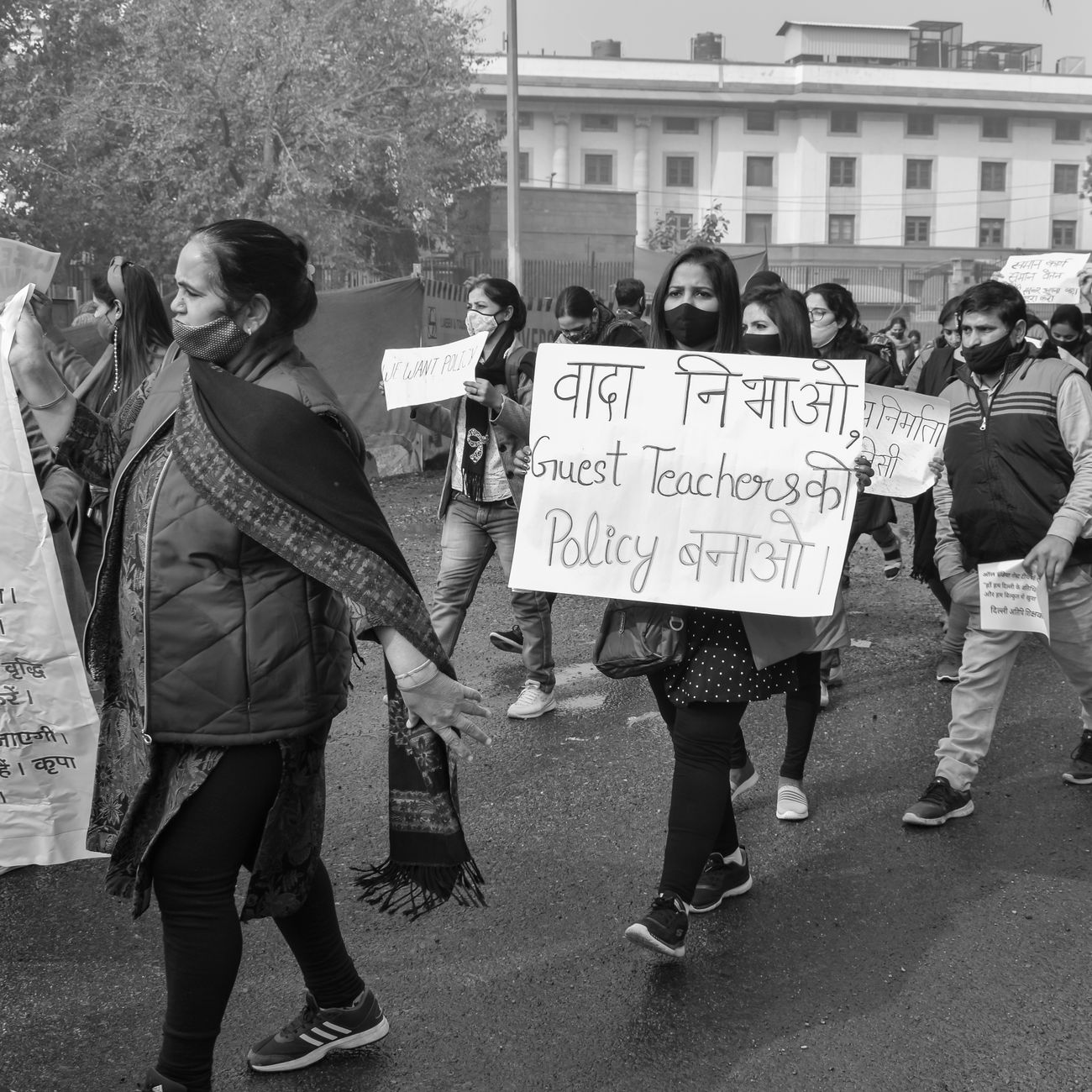
India's education sector has been undergoing a significant transformation that extends far beyond addressing student grievances or quelling protests. While public demonstrations and stakeholder concerns have certainly highlighted systemic gaps, the current wave of reforms reflects a deeper, more strategic overhaul designed to position India's education system for the challenges of the 21st century.
Historical Context of Education Reform
India's education system has been shaped by colonial legacies, with structures dating back to the British era focused primarily on creating administrative workers rather than critical thinkers. Previous reform attempts, including the National Education Policy of 1986 and the Right to Education Act of 2009, made important strides but left fundamental issues unaddressed. The latest reforms acknowledge that cosmetic changes cannot solve problems rooted in pedagogy, accessibility, and relevance.
Structural Changes Beyond Surface-Level Adjustments
The current reforms introduce a comprehensive restructuring of the education framework. The shift from a 10+2 system to a 5+3+3+4 model reflects developmental psychology research about critical learning stages. This change recognizes that early childhood education requires different approaches than middle school, which in turn differs from senior secondary education needs.
The emphasis on foundational literacy and numeracy by Grade 3 addresses a crisis where millions of children were progressing through the system without basic reading and mathematical skills. This focus on learning outcomes rather than mere enrollment numbers marks a philosophical shift from quantity to quality.
Vocational Education Integration
One of the most significant aspects of the reforms is the mainstreaming of vocational education. Historically, India's education system created a rigid divide between academic and vocational pathways, with the latter stigmatized as inferior. The new framework integrates vocational training from middle school onwards, allowing students to explore practical skills alongside traditional academics.
This change responds to India's skills gap, where millions of graduates lack employable skills despite holding degrees. By exposing students to various vocational options early, the system aims to create a workforce aligned with market demands while respecting diverse aptitudes and interests.
Emphasis on Critical Thinking and Creativity
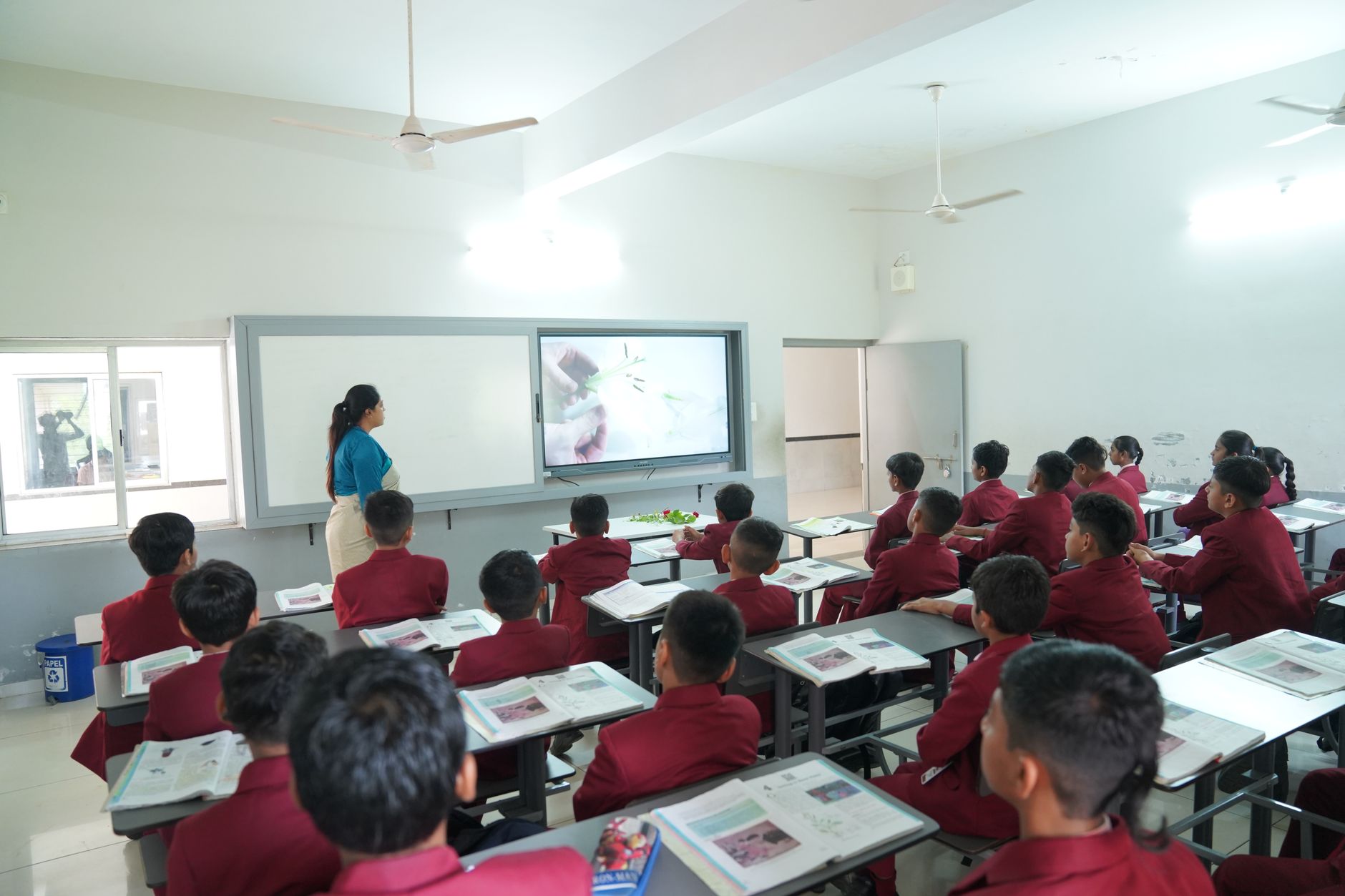
The reforms challenge India's long-standing culture of rote memorization and examination-centric learning. By reducing curriculum load, introducing multidisciplinary approaches, and emphasizing conceptual understanding, the changes aim to nurture creativity and analytical thinking. This shift acknowledges that future economies will value problem-solving abilities over the capacity to memorize facts readily available online.
The introduction of coding and computational thinking from primary levels, along with increased focus on experiential learning, positions students for a technology-driven future while developing cognitive flexibility.
Language and Inclusion
The mother-tongue medium of instruction policy addresses research showing that children learn best in familiar languages during early years. This change has profound implications for social equity, as it removes the disadvantage faced by students from non-English speaking backgrounds, particularly in rural areas.
Simultaneously, the framework promotes multilingualism, encouraging students to learn multiple languages including regional languages, thereby preserving cultural diversity while building communication skills.
Technology and Digital Infrastructure
The reforms recognize that technology can democratize education access. Digital infrastructure development, online learning platforms, and virtual laboratories aim to bridge urban-rural divides. The acceleration of these initiatives during the pandemic demonstrated both possibilities and challenges, leading to more nuanced implementation strategies.
Higher Education Autonomy and Research Focus
Universities and colleges are being granted greater autonomy in curriculum design and administration, moving away from rigid, centralized control. The emphasis on research and innovation, including increased funding for R&D and creation of a National Research Foundation, aims to transform India from a knowledge consumer to a knowledge creator.
Multiple entry and exit points in higher education provide flexibility for students to pursue education in phases, accommodating diverse life circumstances and reducing dropout rates.
Implementation Challenges
Despite ambitious goals, implementation remains the critical challenge. Teacher training requires massive investment and time. Infrastructure development in under-resourced areas demands sustained funding. Cultural resistance to changing pedagogical approaches exists among parents and educators accustomed to traditional methods.
The success of these reforms depends on coordinated efforts across central and state governments, adequate resource allocation, and genuine stakeholder engagement beyond tokenism.
Long-Term Vision
These reforms represent a generational investment in human capital. By addressing foundational learning, skill development, research capabilities, and inclusive access simultaneously, India is attempting to create an education ecosystem that serves individual potential while meeting national development goals. The reforms acknowledge that education is not merely about certificates but about building capable, creative citizens ready for an uncertain future.