The image of young students refusing food for days on end in protest highlights a growing crisis in India's education sector. The country's examination system, long criticized for its intense pressure and narrow focus on rote memorization, has pushed students to desperate measures to demand change.
The Current State of India's Exam System
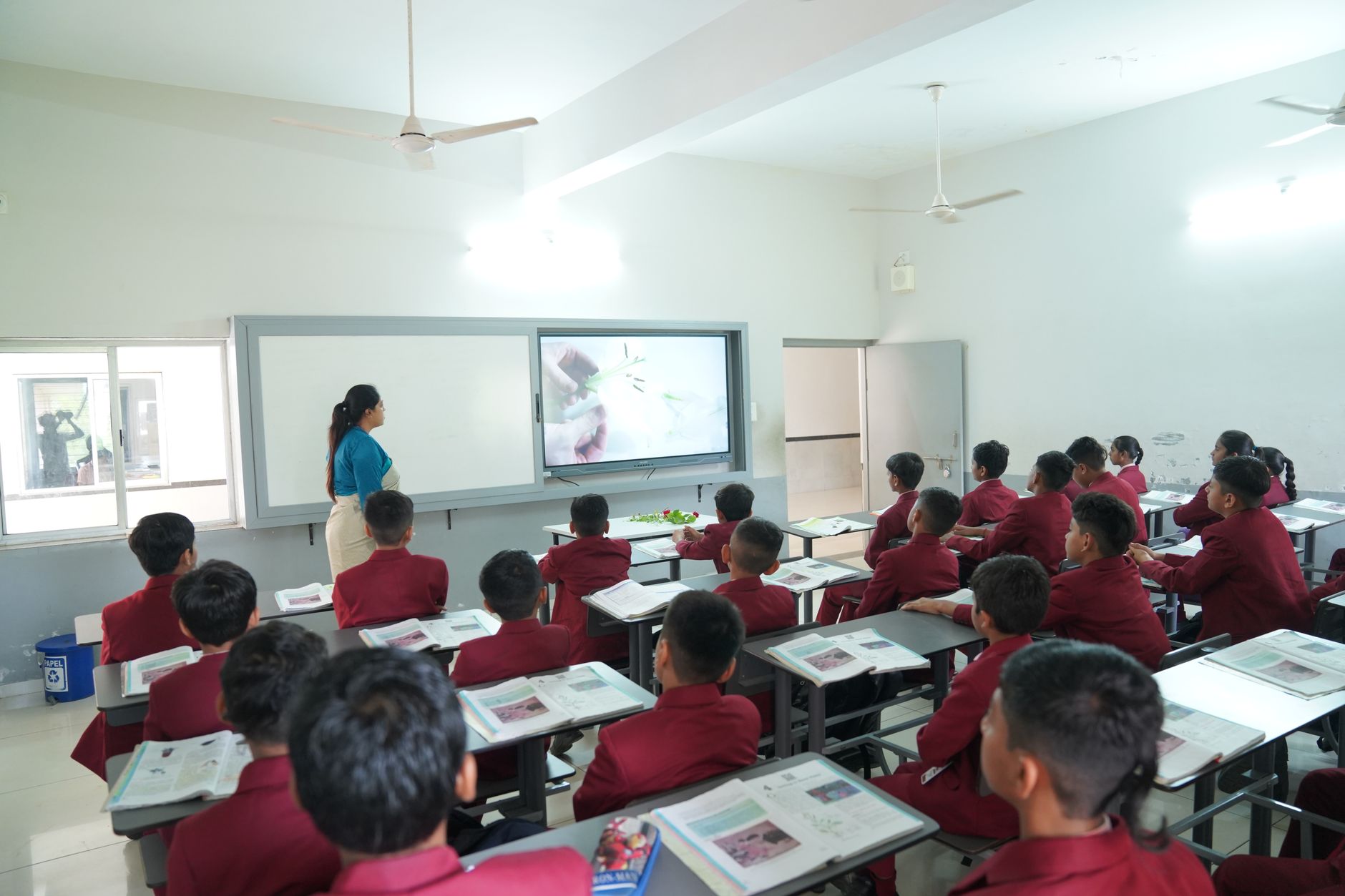
India's education system relies heavily on high-stakes examinations that often determine a student's entire future. From board exams in secondary school to competitive entrance tests for professional courses, students face relentless pressure to perform. The system emphasizes memorization over critical thinking, with success measured almost entirely by marks obtained in time-bound written tests.
Competitive exams like JEE for engineering, NEET for medical courses, and UPSC for civil services attract millions of aspirants annually, with acceptance rates sometimes below one percent. This creates an environment where students spend years preparing for a single exam that could make or break their career aspirations.
Why Students Are Protesting
The hunger strikes and protests stem from multiple grievances that have accumulated over years. Students are demanding a more holistic approach to education that values diverse talents and learning styles beyond exam performance.
Key concerns driving these protests include:
- The mental health crisis among students facing exam pressure, with rising rates of anxiety and depression
- Limited seats in premier institutions despite growing numbers of qualified candidates
- Allegations of paper leaks and examination irregularities that undermine fairness
- The one-size-fits-all approach that ignores individual strengths and alternative career paths
- Lack of practical skills development in favor of theoretical knowledge
- Economic burden on families who invest heavily in coaching classes and preparation materials
The Toll on Student Mental Health
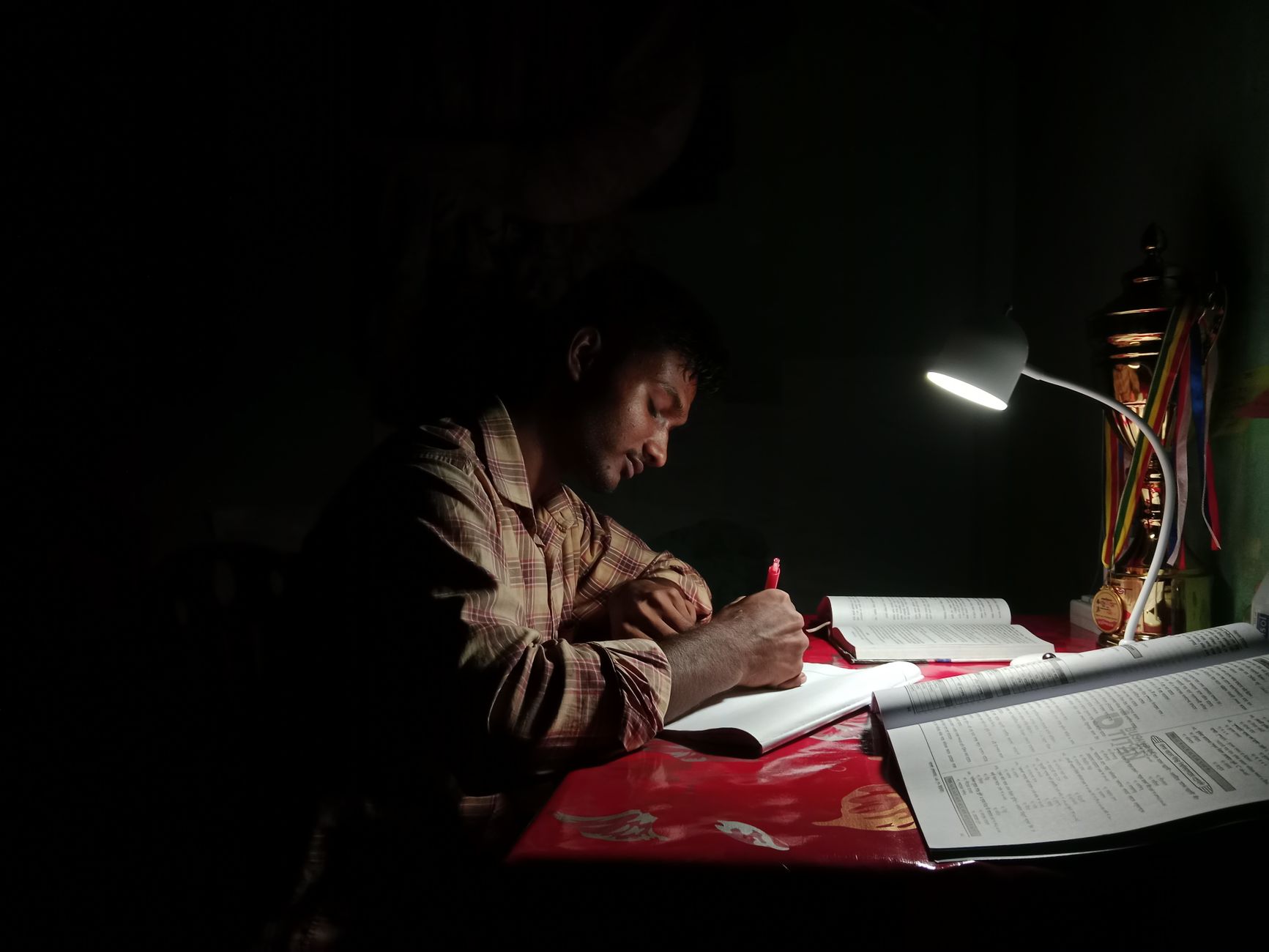
The pressure-cooker environment created by India's exam culture has severe consequences for young people's wellbeing. Students often study 12-15 hours daily, sacrificing sleep, physical activity, and social connections. Cases of student suicide linked to exam stress regularly make headlines, particularly during result season.
The coaching industry that has mushroomed around competitive exams adds another layer of pressure. Cities like Kota in Rajasthan, known as coaching hubs, have witnessed numerous student suicides, prompting calls for systemic reform rather than just better counseling services.
What Reforms Are Being Demanded
Protesters are calling for fundamental changes to how student aptitude and knowledge are assessed. The demands include implementation of continuous evaluation systems that reduce dependence on single high-stakes exams, multiple attempts for competitive exams within a year, and greater transparency in exam administration.
Students also want the education system to incorporate more practical learning, skill development, and creative thinking rather than focusing solely on textbook knowledge. There are calls for increasing seats in quality institutions to match the growing student population and for stricter action against examination malpractices.
The Government's Response
Educational reforms have been on the policy agenda, with initiatives like the National Education Policy 2020 promising changes. However, implementation has been slow, and many students feel the reforms don't address their core concerns adequately.
Authorities often cite logistical challenges in overhauling an examination system that serves hundreds of millions of students across a vast and diverse country. They point to ongoing efforts to digitize exams, improve security measures, and introduce more flexible assessment methods.
The Broader Implications
The protests reflect a generational shift in how young Indians view education and success. Unlike previous generations who largely accepted the system, today's students are more vocal about demanding change and questioning outdated practices.
The examination crisis also intersects with larger issues of unemployment, underemployment of educated youth, and the gap between what the education system produces and what the job market needs. Reforming exams alone won't solve these problems, but it represents a crucial starting point.
As students risk their health through hunger strikes, they're sending a clear message that the current system is unsustainable. Whether policymakers will respond with meaningful action or cosmetic changes remains to be seen, but the urgency of the situation cannot be ignored.
The future of India's education depends on creating a system that nurtures talent rather than crushing spirits, and that measures success through multiple dimensions rather than a single exam score.