India's youngest generation is expressing unprecedented frustration with the country's education system, sparking a broader conversation about the quality, relevance, and integrity of academic institutions. This discontent reflects deep-seated structural problems that extend beyond classroom walls into employment prospects and social mobility.
The Root of Student Discontent
Generation Z students in India, typically those born between 1997 and 2012, are confronting an education landscape that many believe fails to prepare them for modern career demands. Despite India producing millions of graduates annually, employers consistently report that fresh graduates lack practical skills and industry-ready competencies.
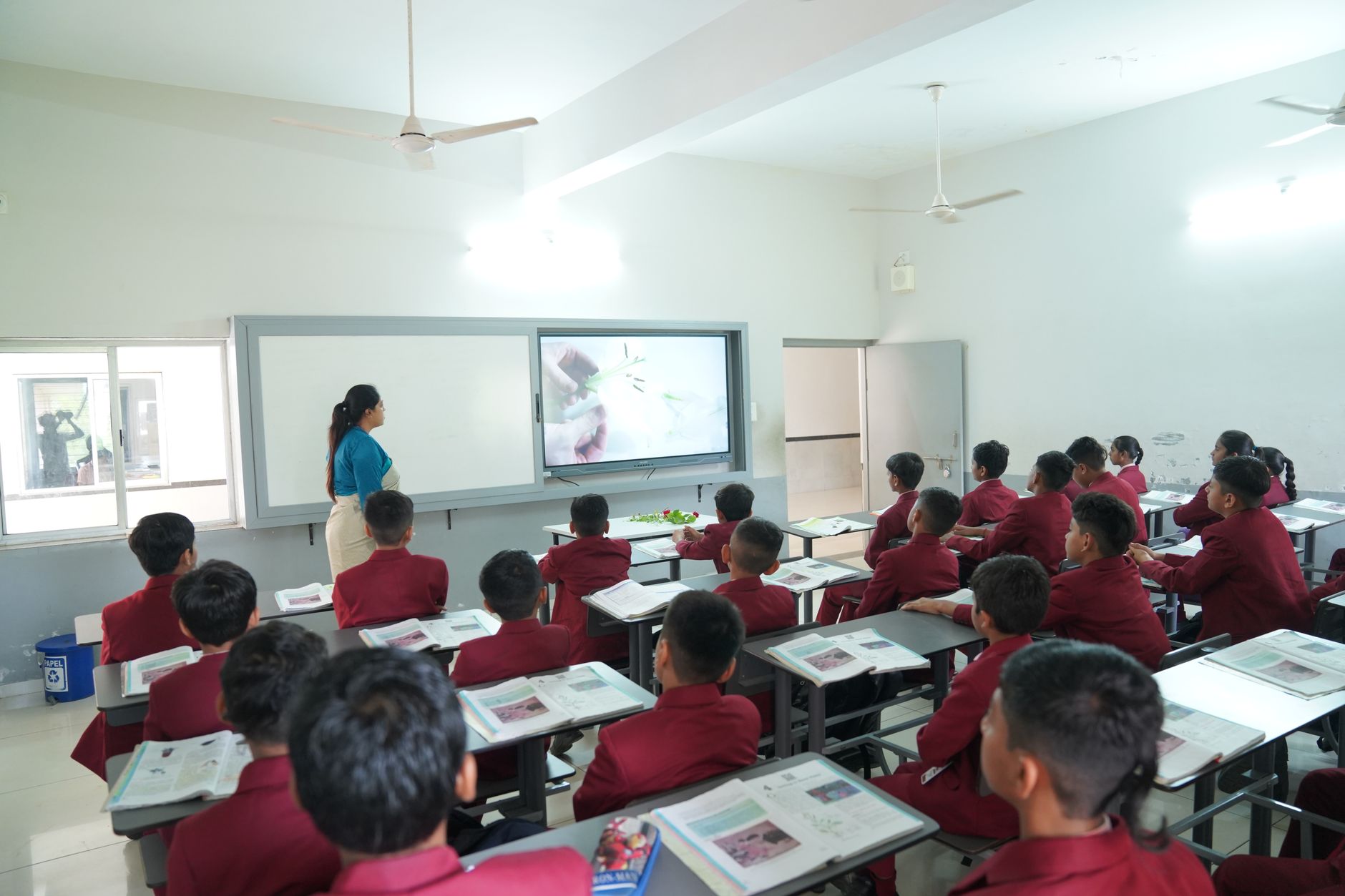
The traditional rote-learning approach still dominates Indian classrooms, emphasizing memorization over critical thinking, creativity, and problem-solving abilities. Students spend years preparing for high-stakes examinations that often test recall rather than application of knowledge. This examination-centric culture creates immense pressure while failing to foster genuine learning or skill development.
Examination Scandals and System Integrity
Recent years have witnessed several high-profile examination paper leaks and irregularities that have shaken student confidence in the fairness of the system. When competitive examinations for medical, engineering, or civil services positions are compromised, millions of honest students feel betrayed and question whether merit truly determines success.
These scandals are particularly devastating because competitive exams serve as critical gateways to professional education and government employment. For many middle-class families, success in these examinations represents the culmination of years of financial sacrifice and student effort. When the integrity of these tests is compromised, it undermines social trust and creates cynicism among young people about institutional fairness.
The Employability Gap
India's education system produces approximately 1.5 million engineering graduates annually, yet industry reports suggest that a significant percentage are not immediately employable. This mismatch between educational output and market requirements leaves graduates frustrated and underemployed.
The curriculum in many institutions remains outdated, failing to keep pace with rapidly evolving technologies and industry practices. Students studying computer science may graduate without adequate exposure to current programming languages, frameworks, or development methodologies that employers expect. Similarly, graduates in other fields often lack soft skills, communication abilities, and practical experience that workplaces demand.
Limited Seats, Intense Competition
The competition for quality education in India is extraordinarily fierce. Premier institutions like the Indian Institutes of Technology (IITs) and All India Institute of Medical Sciences (AIIMS) have acceptance rates that rival or exceed the selectivity of Ivy League universities. With millions of aspirants competing for thousands of seats, the odds are daunting.
This scarcity of quality educational opportunities creates enormous stress and forces students into years of coaching classes and preparation that can begin as early as middle school. The financial and psychological toll on families is substantial, and many students sacrifice their teenage years to examination preparation with uncertain outcomes.
Digital Divide and Inequality
The pandemic exposed and exacerbated educational inequalities across India. While urban, affluent students transitioned to online learning with relative ease, millions of students in rural areas and economically disadvantaged communities lacked internet access, devices, or conducive learning environments.
This digital divide has created a two-tier system where privileged students advance while others fall behind, potentially impacting their competitive positioning for years to come. The gap between English-medium private schools and government schools in regional languages further compounds these inequalities.
Demands for Reform
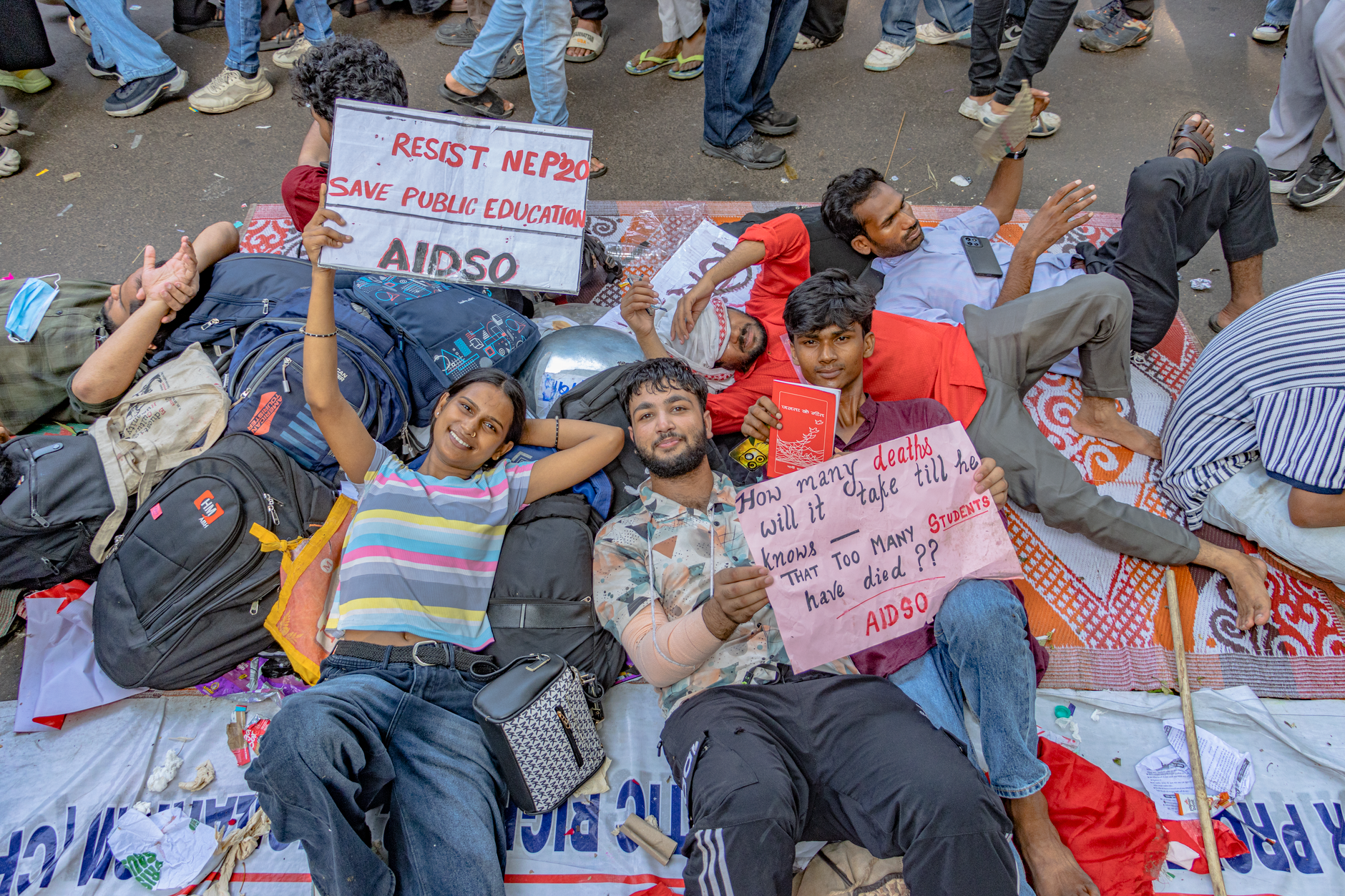
Today's students are more vocal and connected than previous generations, using social media to organize, share grievances, and demand accountability. They seek:
- Transparent, fair examination processes with robust anti-cheating measures
- Updated curricula that reflect current industry requirements and emerging fields
- Greater emphasis on skill development, internships, and practical learning
- More seats in quality institutions to reduce cutthroat competition
- Improved infrastructure and teaching quality in government institutions
- Recognition of diverse career paths beyond traditional engineering, medicine, and civil services
The Broader Implications
Youth frustration with education extends beyond academic concerns to encompass anxieties about employment, economic opportunity, and social mobility. When educated young people cannot find jobs commensurate with their qualifications, it breeds disillusionment with institutions and the social contract.
Addressing these concerns requires comprehensive reform: curriculum modernization, increased investment in educational infrastructure, teacher training, expansion of quality institutions, stronger industry-academia collaboration, and restoration of examination integrity. The challenge lies in implementing changes at scale across a diverse country with limited resources and competing priorities.
The voices of India's Generation Z reflect not merely student complaints but fundamental questions about whether the education system can fulfill its promise of enabling merit-based advancement and preparing youth for meaningful participation in the economy and society.