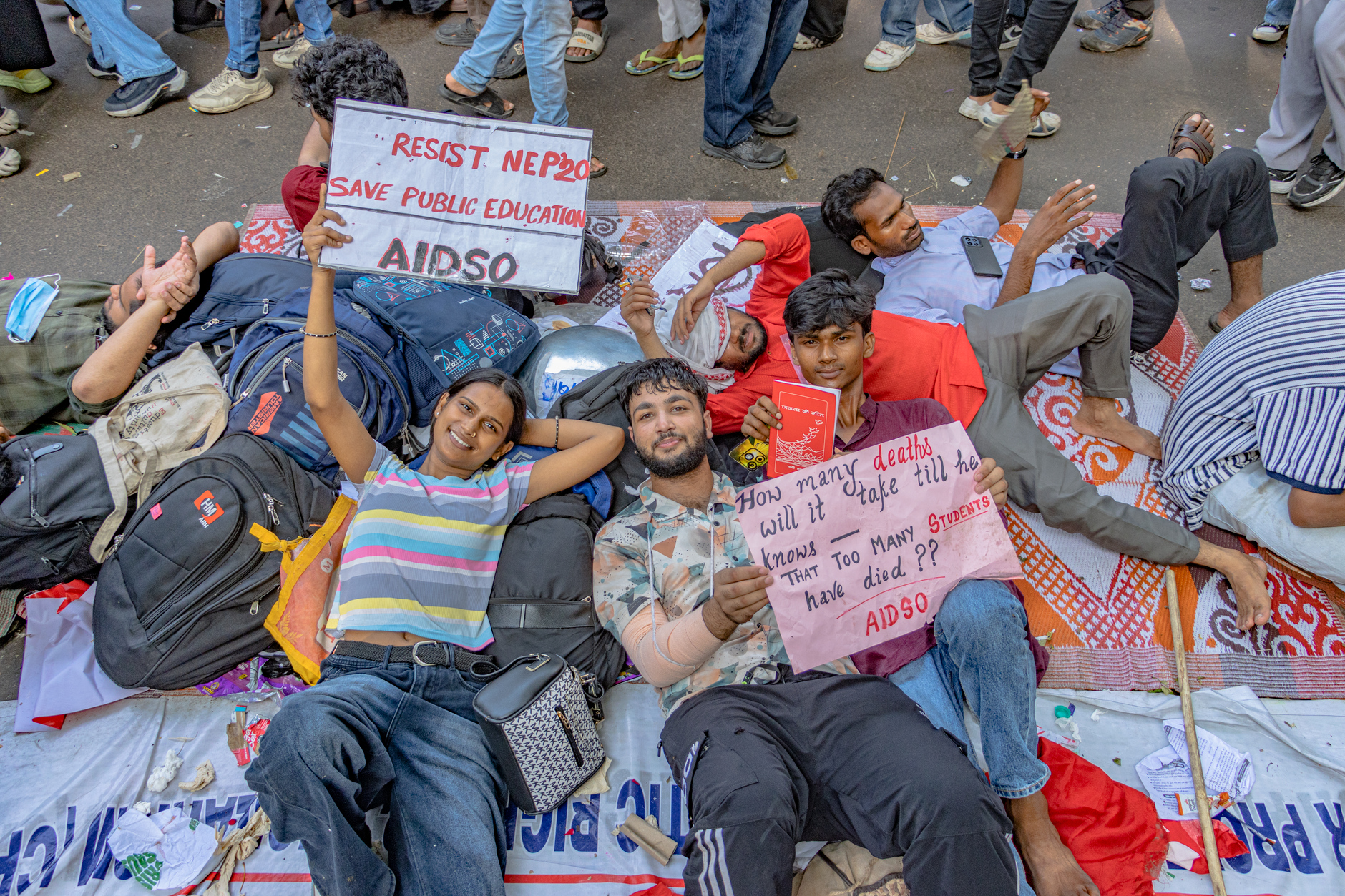
India's younger generation has demonstrated its capacity to effect tangible political change, with sustained student protests recently forcing a minister's resignation. This development marks a significant moment in Indian democracy, raising questions about the evolving relationship between youth activism, education policy, and government accountability.
The Rise of Student-Led Movements in India
Student activism in India has deep historical roots, from independence-era movements to protests against the Emergency in the 1970s. However, today's Gen Z protesters bring new tools and tactics to their campaigns. Born between the mid-1990s and early 2010s, this generation has grown up with smartphones, social media, and instant access to information, enabling them to organize, mobilize, and amplify their voices in ways previous generations could not.
The current wave of education-focused protests reflects broader frustrations among India's youth regarding academic policies, examination systems, employment opportunities, and institutional accountability. When students perceive that their educational futures are being compromised by policy failures or administrative negligence, they increasingly take to both streets and social media platforms to demand change.
Why This Protest Movement Succeeded
Several factors contributed to the effectiveness of these recent demonstrations. First, the protesters maintained sustained pressure over an extended period, rather than allowing momentum to dissipate after initial media coverage. Consistency and persistence proved crucial in keeping public attention focused on their demands.
Second, Gen Z activists leveraged digital platforms to document grievances, share evidence, and counter official narratives in real-time. Hashtag campaigns, video testimonials, and crowdsourced data helped build a compelling case that resonated beyond the immediate student community, garnering support from parents, educators, and civil society groups.
Third, the movement maintained clear, specific demands rather than diffuse complaints. By focusing on concrete issues and identifying accountable officials, protesters made it difficult for authorities to deflect responsibility or promise vague future improvements without taking immediate action.
Implications for India's Education System
The minister's resignation sends a strong signal that student voices can no longer be dismissed or ignored. This outcome may encourage education authorities at various levels to engage more proactively with student concerns before situations escalate to crisis points.
However, removing one official does not automatically resolve systemic challenges facing Indian education. The country's education sector grapples with numerous persistent issues:
- Outdated curricula that fail to align with contemporary job market demands
- Examination systems that emphasize rote memorization over critical thinking
- Infrastructure deficits in government schools and colleges
- Growing privatization creating educational inequality
- Mental health pressures on students from competitive academic environments
The Broader Context of Youth Discontent
India has the world's largest youth population, with hundreds of millions of people under 25. This demographic represents both immense potential and significant challenges. Youth unemployment remains stubbornly high, and many graduates find themselves overqualified for available positions or lacking skills that employers seek.
Education naturally sits at the intersection of these anxieties. When students invest years of effort and family resources into their studies, only to face uncertain employment prospects, frustration with the education system intensifies. Protests about examination irregularities, paper leaks, or policy changes tap into these deeper economic insecurities.
What Comes Next for Student Activism
The phrase "this is just the start" suggests protesters recognize that replacing one minister represents a tactical victory rather than comprehensive reform. Sustaining momentum while translating street protest into lasting institutional change presents the next challenge.
Student movements will likely continue targeting specific grievances as they arise, from examination controversies to campus governance issues. The question is whether this energy can also channel into constructive engagement with education reform processes, including curriculum development, assessment redesign, and infrastructure investment priorities.
Some observers worry about political opportunism, with various parties attempting to co-opt student movements for electoral advantage. Maintaining independence while building coalitions for concrete reforms will test Gen Z activists' political sophistication.
The Democratic Significance
Regardless of one's position on specific student demands, the success of these protests demonstrates that India's democracy provides channels for citizen-driven accountability, even for younger citizens not yet fully integrated into electoral politics. This represents healthy democratic functioning, where sustained civic pressure can produce governmental response.
For Gen Z protesters, this experience may shape lifelong civic engagement patterns, creating a generation more confident in their ability to influence public affairs through organized collective action. Educational institutions and policymakers must recognize this shift and develop more responsive, participatory approaches to education governance that genuinely incorporate student perspectives in decision-making processes.