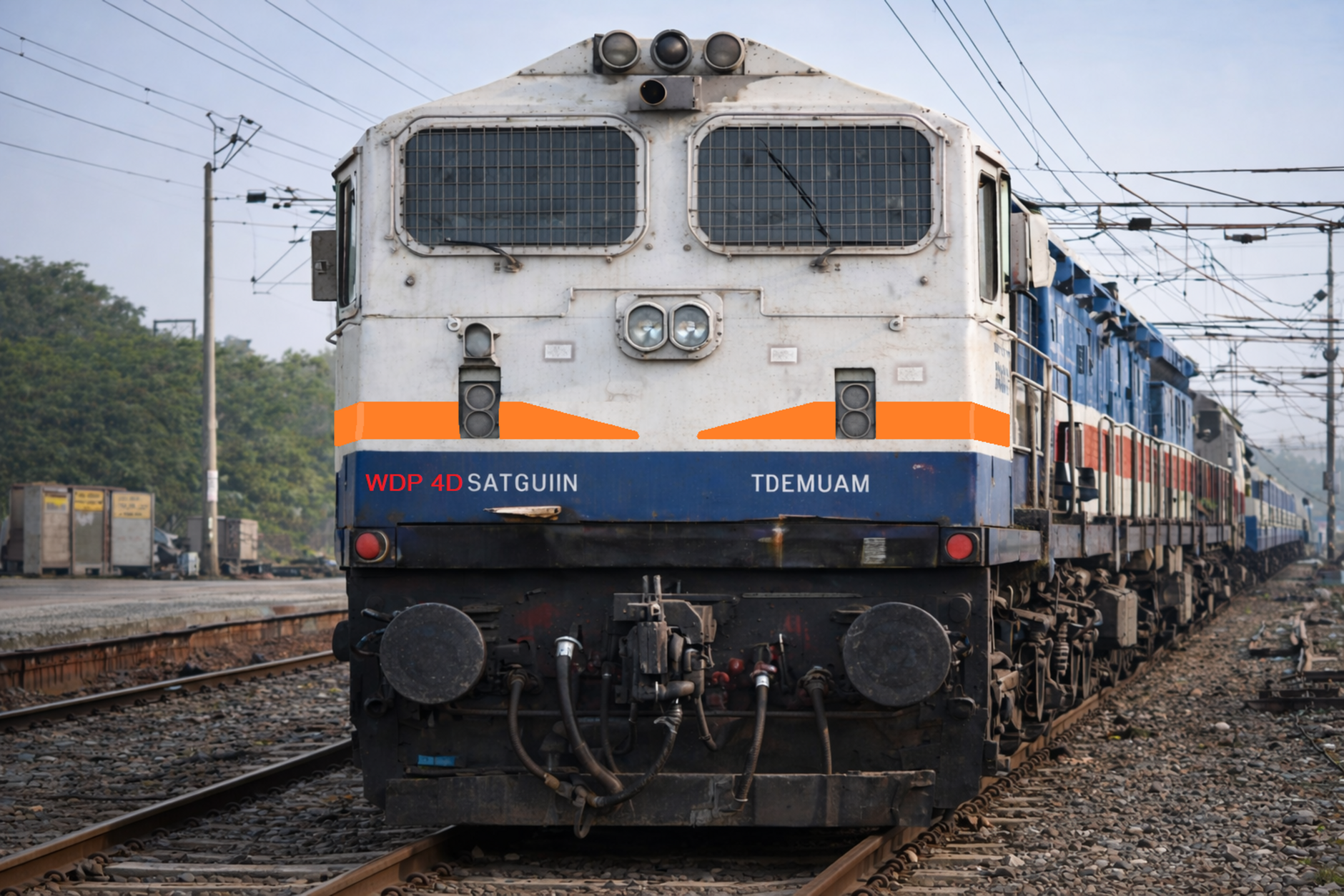
Indian Railways is embarking on a transformative journey toward sustainability by integrating indigenous hydrogen fuel cell technology into its operations. This initiative represents a major milestone in India's commitment to reducing carbon emissions while showcasing the country's growing capabilities in clean energy innovation.
Understanding Hydrogen Fuel Cell Technology
Hydrogen fuel cells generate electricity through a chemical reaction between hydrogen and oxygen, producing only water vapor as a byproduct. Unlike traditional diesel locomotives that emit significant greenhouse gases, hydrogen-powered trains offer a zero-emission alternative that maintains comparable performance and range. The technology works by converting hydrogen stored in onboard tanks into electrical energy that powers electric motors, making it particularly suitable for railway applications where heavy loads and long distances are routine requirements.
Why Railways Are Embracing Hydrogen
Indian Railways operates one of the world's largest rail networks, serving over 8 billion passengers annually and transporting massive quantities of freight. The sector currently relies heavily on diesel locomotives, particularly on non-electrified routes that comprise roughly 40 percent of the network. Electrifying these remaining routes through conventional overhead wire systems would require enormous infrastructure investment and may not be feasible in certain terrain or heritage routes.
Hydrogen fuel cells present an attractive alternative that can operate on existing tracks without requiring extensive overhead electrification infrastructure. This makes the technology especially valuable for routes in mountainous regions, remote areas, or heritage lines where traditional electrification poses technical or aesthetic challenges.
India's Indigenous Development Advantage
The adoption of domestically developed hydrogen fuel cell technology carries multiple strategic advantages for India. By relying on indigenous innovation, the country reduces dependence on imported technology and keeps valuable expertise and manufacturing capabilities within national borders. This approach aligns with the government's Make in India initiative and strengthens the domestic clean energy sector.
Indian research institutions and companies have been working on hydrogen fuel cell technology for several years, developing solutions tailored to local operating conditions, climate variations, and performance requirements. This homegrown technology can be more easily maintained, upgraded, and scaled compared to foreign alternatives, while also creating employment opportunities in manufacturing, maintenance, and research sectors.
Environmental and Economic Impact
The environmental benefits of hydrogen-powered trains extend beyond zero tailpipe emissions. When hydrogen is produced using renewable energy sources such as solar or wind power through electrolysis, the entire energy cycle becomes carbon-neutral. India's ambitious renewable energy targets make this green hydrogen pathway increasingly viable and economically attractive.
From an operational perspective, hydrogen trains offer several advantages:
- Lower maintenance costs compared to diesel locomotives due to fewer moving parts
- Reduced noise pollution, improving quality of life near railway corridors
- Elimination of diesel fuel price volatility and import dependence
- Potential for on-site hydrogen production at railway depots using renewable energy
Implementation Challenges and Timeline
Despite the promise of hydrogen technology, several challenges must be addressed for successful implementation. Establishing hydrogen production, storage, and refueling infrastructure requires significant upfront investment. Safety protocols for handling and storing hydrogen must be rigorously developed and enforced. Additionally, training railway personnel to operate and maintain hydrogen-powered trains will be essential.
The initial rollout is expected to begin with pilot projects on select routes, allowing railways to test the technology under real-world conditions and refine operations before wider deployment. Heritage routes and tourist trains may be among the first to transition, where the environmental benefits align with passenger expectations for sustainable travel experiences.
Global Context and Leadership
India's move positions the country among global leaders in railway hydrogen adoption. Several European nations and Japan have already introduced hydrogen trains, but India's scale and indigenous technology development set it apart. Success in this initiative could establish India as an exporter of hydrogen railway technology to other developing nations facing similar electrification challenges.
The integration of hydrogen fuel cells into Indian Railways demonstrates how emerging economies can leapfrog traditional technologies to adopt cleaner alternatives. As hydrogen production costs decline and renewable energy becomes cheaper, the economic case for hydrogen trains will strengthen further, potentially accelerating adoption across the network.
This transition represents more than a technological upgrade—it signals India's determination to balance economic development with environmental responsibility, setting a precedent for sustainable infrastructure development in the transportation sector.