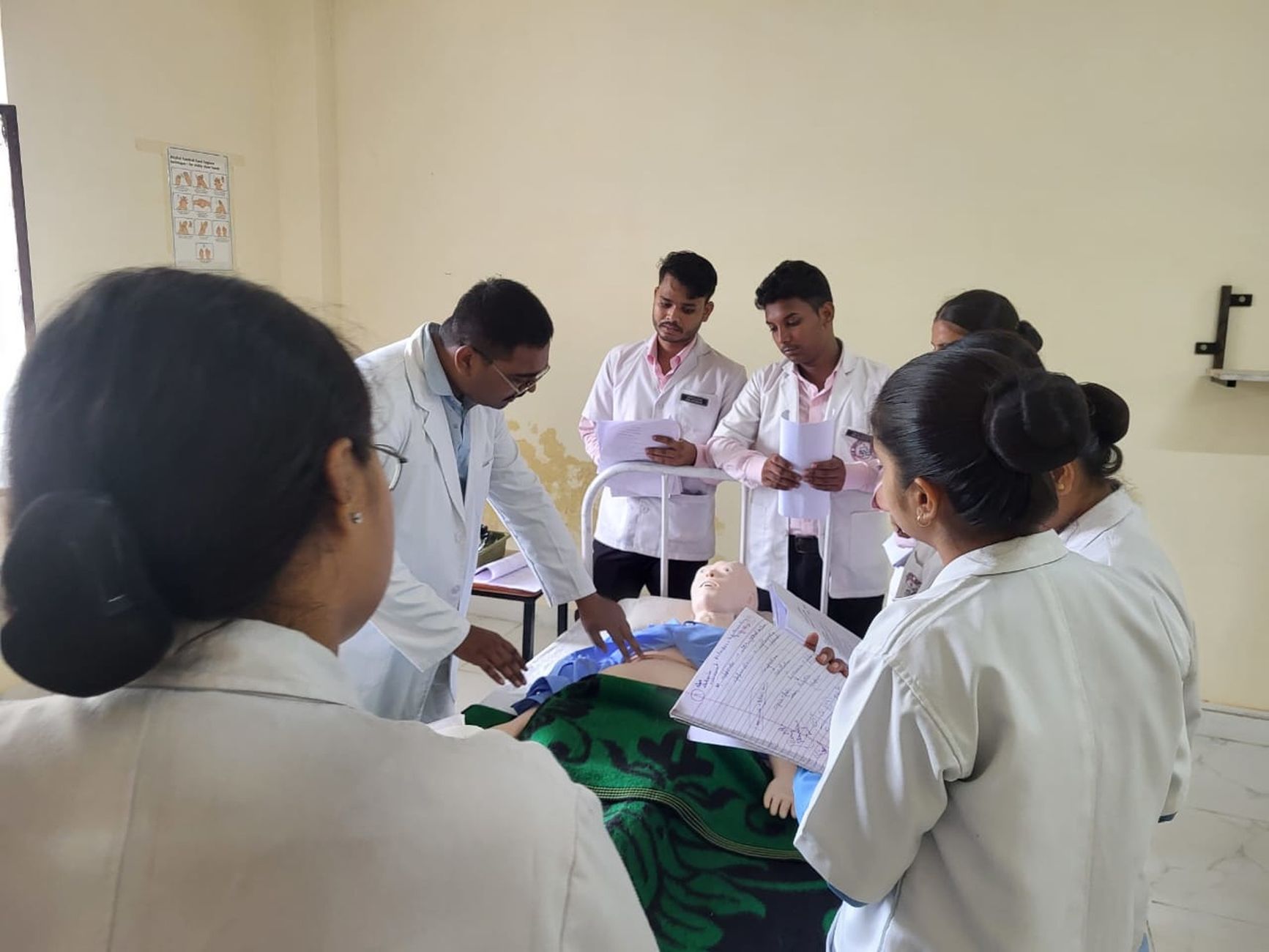
The Indian government's latest data on medical education infrastructure reveals a substantial expansion in the country's capacity to train doctors. With 844 medical colleges currently operational, India now offers 1,39,489 MBBS seats and 86,360 postgraduate medical seats, reflecting years of focused effort to address the critical doctor-patient ratio and strengthen healthcare delivery across the nation.
Understanding the Numbers
The total number of medical colleges in India has grown dramatically over the past decade. From just over 380 institutions in 2014, the country has more than doubled its medical education infrastructure. This expansion includes both government and private medical colleges spread across states and union territories.
The MBBS seat count of nearly 1.4 lakh represents the annual intake capacity for undergraduate medical education. Similarly, the 86,360 postgraduate seats encompass various specializations including MD, MS, and diploma courses that allow MBBS graduates to pursue advanced training in specific medical fields.
The Doctor Shortage Context
India has historically faced a significant shortage of qualified medical professionals. According to World Health Organization standards, the ideal doctor-to-population ratio should be approximately 1:1000. However, India has been operating at roughly 1:1400 or worse in many regions, creating immense pressure on existing healthcare infrastructure.
The expansion of medical seats directly addresses this gap. With population growth and increasing healthcare demands, particularly highlighted during the COVID-19 pandemic, the need for more doctors has become even more apparent.
Distribution and Accessibility Challenges
While the overall numbers appear impressive, the distribution of these medical colleges and seats remains uneven across India. States like Uttar Pradesh, Maharashtra, Karnataka, and Tamil Nadu have significantly more medical institutions compared to northeastern states and certain union territories.
- Urban areas typically have better access to medical colleges
- Rural and remote regions continue to face shortages of medical education facilities
- Government medical colleges generally offer more affordable education compared to private institutions
- Reservation policies ensure representation across various social categories
Quality Versus Quantity Debate
The rapid expansion of medical education has raised important questions about maintaining educational standards. The National Medical Commission (NMC), which replaced the Medical Council of India, has implemented stringent regulations regarding infrastructure, faculty requirements, and teaching hospital standards.
Key concerns include adequate availability of experienced faculty members, quality of clinical training exposure, and maintenance of patient care standards in teaching hospitals. The regulatory framework requires medical colleges to maintain specific teacher-student ratios and provide diverse clinical cases for comprehensive training.
Impact on Healthcare Delivery
The increased production of medical graduates is expected to have multiple positive effects on India's healthcare system. More doctors mean better coverage in underserved areas, reduced waiting times at hospitals, and improved primary healthcare delivery.
However, the challenge extends beyond merely producing doctors. Retention of medical professionals, particularly in rural areas, remains difficult. Many graduates prefer urban postings or opportunities abroad, creating persistent gaps in rural healthcare coverage despite higher overall doctor numbers.
Postgraduate Specialization Trends
The 86,360 postgraduate seats allow MBBS graduates to specialize in various medical and surgical fields. Popular specializations include general medicine, pediatrics, orthopedics, obstetrics and gynecology, and radiology. The availability of PG seats determines how many doctors can pursue advanced training and become specialists.
Competition for postgraduate seats remains intense, with the National Eligibility cum Entrance Test for Postgraduate (NEET-PG) serving as the gateway examination. The seat-to-applicant ratio indicates that not all MBBS graduates can immediately secure PG admission, leading many to work as medical officers or pursue alternative career paths.
Future Outlook
The government has announced plans for further expansion, particularly focusing on establishing medical colleges in districts currently lacking such facilities. The emphasis is on creating more government medical colleges to improve affordability and access.
Additionally, initiatives to increase PG seats aim to create more specialists who can handle complex medical cases and reduce dependence on general practitioners for specialized care. The integration of modern technology, telemedicine capabilities, and updated curricula is also being prioritized to prepare doctors for contemporary healthcare challenges.
This article provides general information about India's medical education infrastructure and should not be considered as career counseling or admission guidance. Prospective medical students should consult official sources and authorized counselors for specific admission-related information.