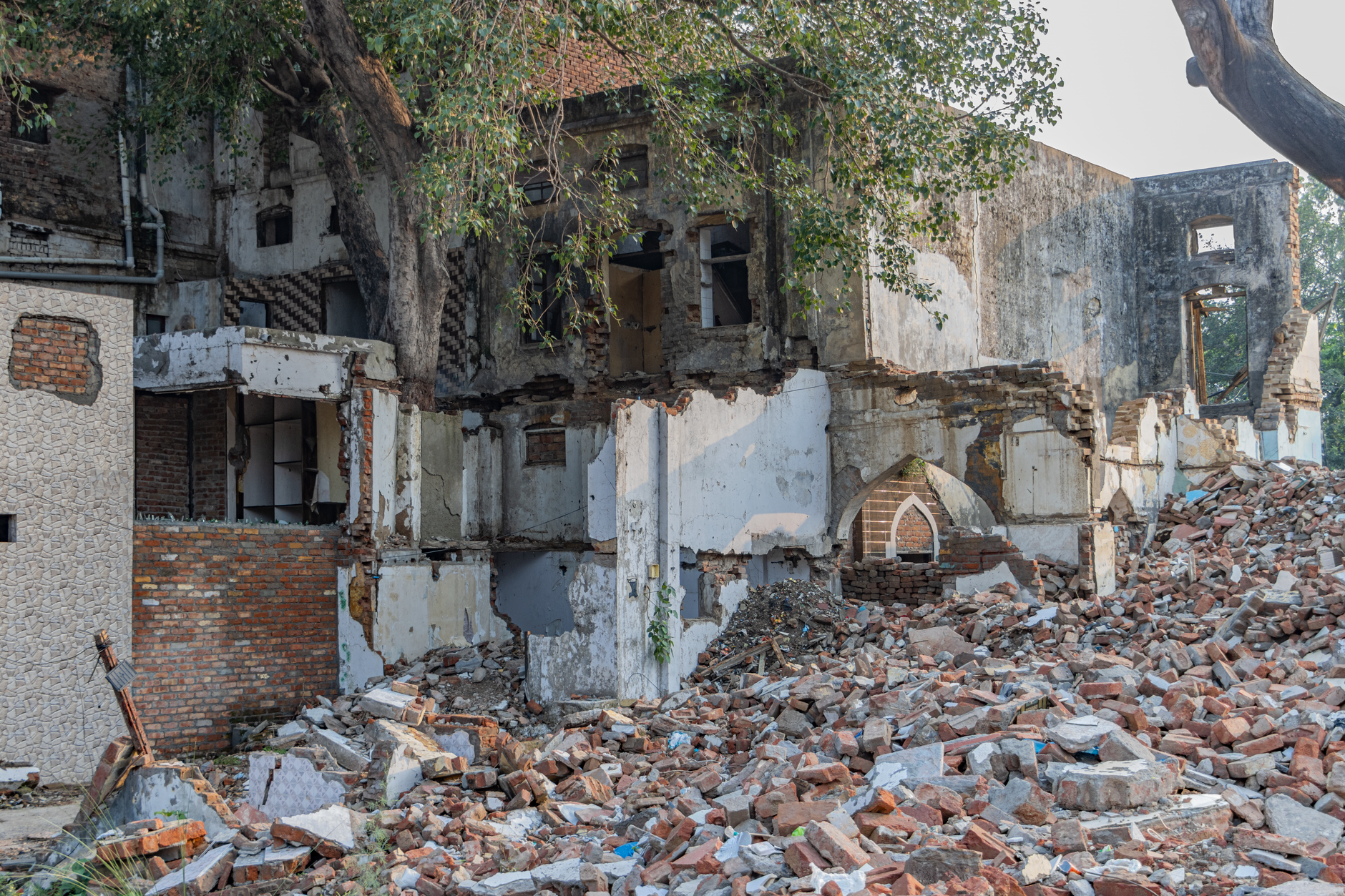
Aligarh Muslim University (AMU), established in 1875 by Sir Syed Ahmad Khan, stands as one of India's most prominent educational institutions. Recent government actions to demolish certain structures within the university campus have ignited fierce debate across India, touching on issues of religious identity, educational heritage, and institutional autonomy.
The Historical Significance of AMU
Aligarh Muslim University began as the Muhammadan Anglo-Oriental College, founded by the visionary educator and reformer Sir Syed Ahmad Khan. His goal was to modernize education for Indian Muslims while preserving cultural identity during British colonial rule. The institution gained university status in 1920 and has since produced notable alumni including politicians, scientists, artists, and business leaders.
The university's founders envisioned it as a bridge between traditional Islamic learning and modern Western education. Over nearly 150 years, AMU has become a symbol of educational advancement and has played a crucial role in providing quality higher education to students from diverse backgrounds, though it maintains a special focus on Muslim students.
Understanding the Current Controversy
The demolition orders typically relate to structures that authorities claim are either unauthorized constructions or encroachments on public land. However, when such actions involve institutions with deep historical and cultural significance, they often become flashpoints for larger debates about preservation, religious rights, and government overreach.
Universities in India generally enjoy considerable autonomy, particularly central universities like AMU. Any government intervention in campus infrastructure raises questions about the limits of this autonomy and the process by which decisions affecting campus heritage are made.
The Minority Character Debate
A parallel controversy that has long surrounded AMU concerns its status as a minority institution. Under Indian constitutional provisions, educational institutions established by religious or linguistic minorities have certain protections and autonomy in administration. AMU's minority status has been challenged legally multiple times.
This legal uncertainty adds another layer to infrastructure-related controversies. If AMU is recognized as a minority institution, it may have stronger grounds to resist external interventions in campus matters. The Supreme Court of India has yet to provide final clarity on this status, with the case pending for years.
Educational Impact and Student Concerns
Students and faculty express concerns that demolition activities disrupt academic life and create an atmosphere of uncertainty. Universities function best when there is stability and predictability in their physical and administrative environment. Any major infrastructure changes, particularly those imposed externally, can affect daily operations, student housing, and academic facilities.
The psychological impact on students should not be underestimated. When students perceive their institution as under threat, it affects their sense of belonging and security, which are important for academic success and campus life.
Heritage Preservation Considerations
India has numerous colonial-era and pre-independence educational institutions that represent important architectural and cultural heritage. These buildings tell the story of India's educational evolution and social reform movements. The tension between urban development needs and heritage preservation is not unique to AMU but represents a broader challenge Indian authorities face.
Proper procedures typically require heritage impact assessments before demolishing structures of historical significance. Whether such assessments were conducted in this case is part of the ongoing debate.
The Broader Context of Institutional Autonomy
This controversy reflects larger questions about university autonomy in contemporary India. Educational institutions worldwide require independence to fulfill their academic missions effectively. When governments intervene in campus infrastructure, admissions policies, or curriculum matters, it raises concerns about the erosion of this autonomy.
The balance between legitimate government oversight and institutional freedom remains a delicate issue in democracies. Universities must operate within legal frameworks while maintaining the independence necessary for academic excellence and free inquiry.
Looking Forward
Resolution of this controversy will likely require dialogue between university administration, government authorities, student bodies, and heritage experts. Transparent processes that respect both legal requirements and institutional heritage serve everyone's interests better than unilateral actions.
The future of AMU, and similar historic institutions, depends on finding approaches that honor their past while accommodating legitimate contemporary needs. This balance is achievable but requires good faith engagement from all parties.
This article provides general information about an ongoing controversy and should not be considered legal or political advice. Readers should consult multiple sources and official statements for the most current and complete information about this developing situation.