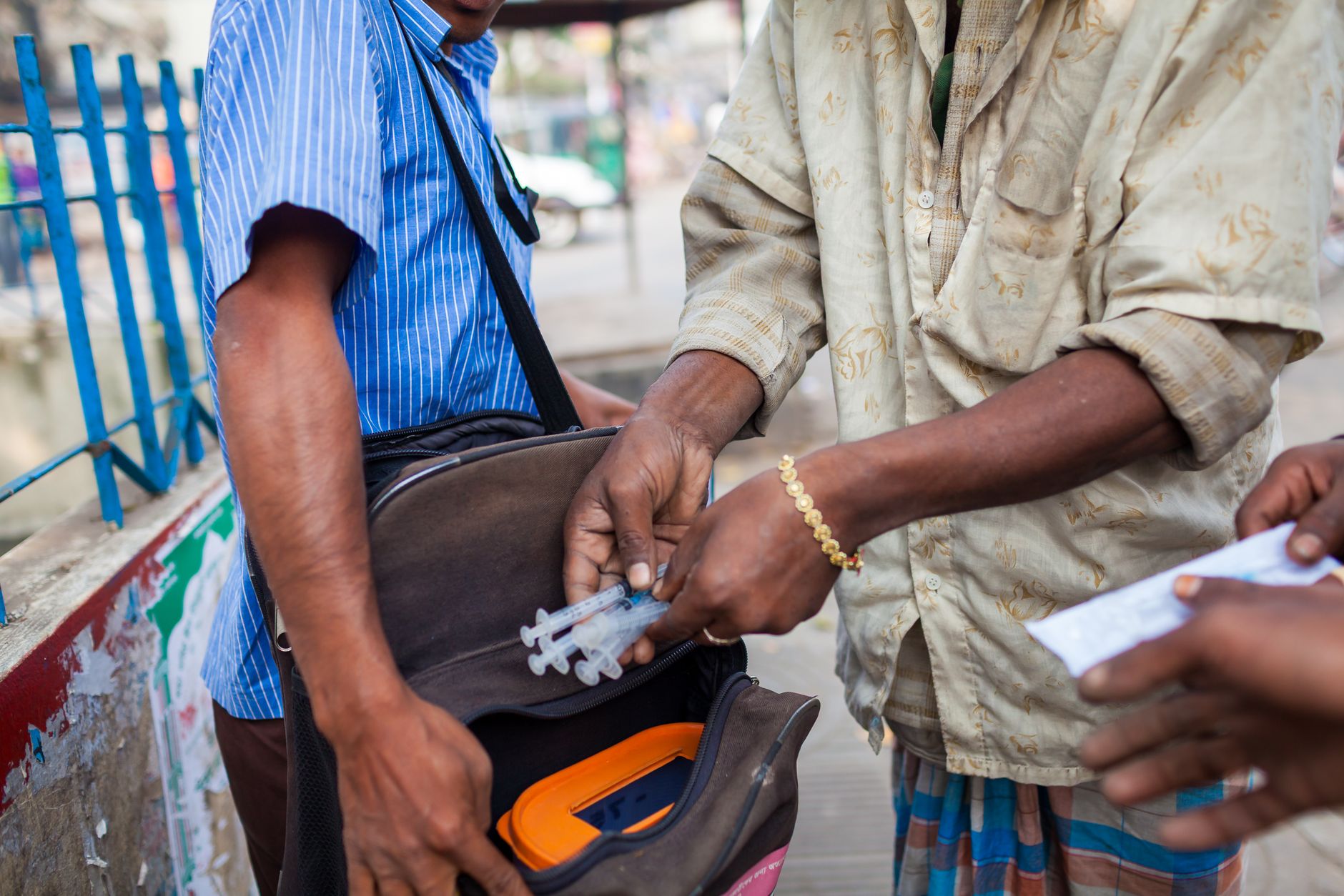
India has ramped up its commitment to eliminate viral hepatitis as a public health threat by 2030, aligning with the World Health Organization's global targets. This ambitious initiative addresses a disease that affects millions of Indians, often silently, and poses significant challenges to the country's healthcare system.
Understanding the Hepatitis Burden in India
Hepatitis, an inflammation of the liver, primarily caused by five virus types (A, B, C, D, and E), remains a major health concern in India. The country accounts for a substantial portion of the global burden, particularly for hepatitis B and C. These viral infections can lead to chronic liver disease, cirrhosis, and liver cancer if left untreated.
Hepatitis B affects approximately 40 million people in India, while hepatitis C impacts around 6 to 12 million individuals. Many remain undiagnosed due to the asymptomatic nature of the disease in its early stages. Hepatitis E, transmitted through contaminated water, continues to cause outbreaks in regions with poor sanitation infrastructure.
Key Components of India's Elimination Strategy
The government's multi-pronged approach focuses on prevention, diagnosis, and treatment across the country's diverse population.
### Expanded Vaccination Programs
Vaccination remains the most effective preventive measure against hepatitis B. India has strengthened its Universal Immunization Programme to ensure all newborns receive the hepatitis B birth dose within 24 hours of delivery. The government is also working to increase coverage among high-risk groups, including healthcare workers, people who inject drugs, and those requiring frequent blood transfusions.
### Enhanced Screening and Diagnosis
Early detection is crucial for successful treatment. The initiative includes:
- Setting up diagnostic facilities in district hospitals and primary health centers
- Conducting mass screening campaigns in high-prevalence areas
- Integrating hepatitis testing with other health programs like tuberculosis and HIV services
- Training healthcare workers to identify and manage hepatitis cases
### Accessible and Affordable Treatment
India has made significant strides in making hepatitis treatment accessible. The country now manufactures generic versions of direct-acting antivirals (DAAs) for hepatitis C, which have cure rates exceeding 95 percent. These medications are provided through government health facilities at minimal or no cost to patients.
For hepatitis B, antiviral medications are being made available through public health programs to prevent disease progression and reduce transmission.
Addressing Social and Economic Barriers
Eliminating hepatitis requires more than medical interventions. India faces challenges including:
- Limited awareness about hepatitis transmission and prevention
- Stigma associated with viral infections
- Geographic disparities in healthcare access
- Financial constraints affecting treatment adherence
The government is implementing awareness campaigns through various media channels, targeting both urban and rural populations. Community health workers play a vital role in disseminating information and encouraging at-risk individuals to get tested.
Blood Safety and Infection Control
Ensuring safe blood transfusions and preventing healthcare-associated infections are critical components of the strategy. All blood banks in India are now required to screen donations for hepatitis B and C. Additionally, healthcare facilities are being equipped with proper sterilization equipment and trained in infection prevention protocols to minimize transmission during medical procedures.
Sanitation and Water Quality
For hepatitis A and E, which spread through contaminated water and food, India's Swachh Bharat Mission and efforts to provide safe drinking water complement the hepatitis elimination strategy. Improved sanitation infrastructure reduces fecal-oral transmission routes.
The Road Ahead
Meeting the 2030 target requires sustained political commitment, adequate funding, and coordinated efforts across health departments, civil society organizations, and international partners. India must scale up its interventions to reach underserved populations, strengthen surveillance systems to track progress, and continue investing in research and innovation.
The elimination of hepatitis as a public health threat means reducing new infections by 90 percent and deaths by 65 percent compared to 2015 baseline levels. While ambitious, India's progress in tackling other diseases like polio demonstrates that with sufficient resources and determination, such goals are achievable.
Success in eliminating hepatitis will not only save millions of lives but also reduce the economic burden associated with chronic liver disease treatment, benefiting individuals, families, and the nation's healthcare system.
This article is for general informational purposes only and does not constitute medical advice. If you have concerns about hepatitis or liver health, please consult with a qualified healthcare professional for proper diagnosis and treatment.