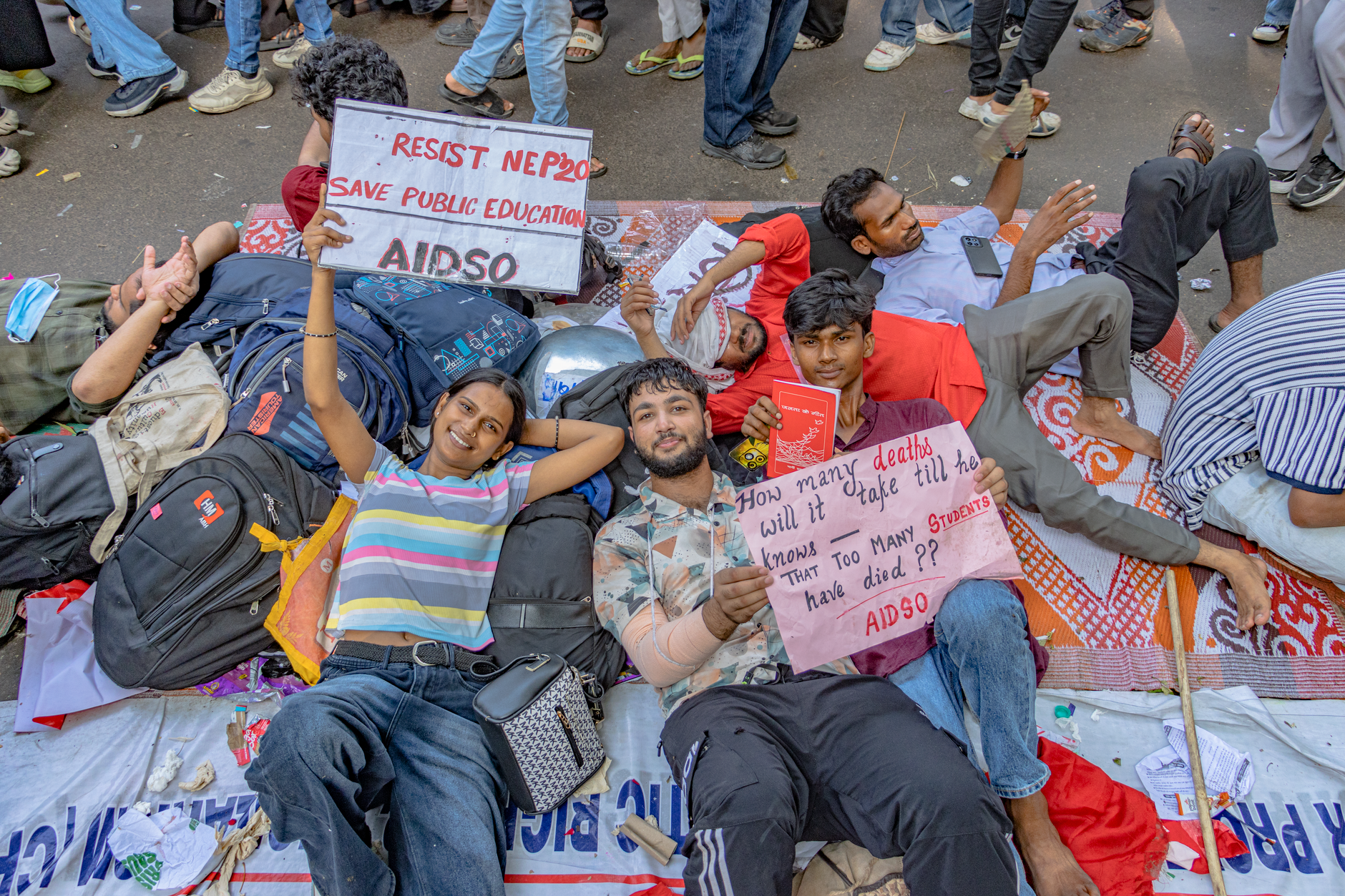
The recent dismissal of an education minister in India has brought student activism back into the national spotlight. The so-called 'Cockroach' movement, which mobilized students across several states, has claimed its first major victory, but questions remain about whether this will translate into meaningful educational reforms.
Understanding the Cockroach Movement
The term 'Cockroach' was initially used as a derogatory label by officials to dismiss protesting students, suggesting they were a persistent nuisance. However, students embraced the moniker, turning it into a symbol of resilience and their refusal to be silenced. Like cockroaches that survive in adverse conditions, these student activists demonstrated remarkable staying power despite attempts to suppress their voices.
The movement emerged from growing frustration with India's education system, which faces numerous challenges including outdated curricula, inadequate infrastructure, high fees, and limited job prospects for graduates. Students across universities began coordinating protests, leveraging social media to build solidarity and share strategies.
Key Grievances Driving the Protests
Student activists have raised several core concerns that extend beyond any single minister's tenure. Rising education costs have made quality higher education increasingly inaccessible to middle-class and economically disadvantaged families. Capitation fees, donation requirements, and expensive private coaching have created barriers to entry.
Curriculum relevance represents another major complaint. Many students argue that course content fails to prepare them for modern job markets, emphasizing rote learning over critical thinking and practical skills. The disconnect between academic credentials and employment opportunities has left many graduates struggling to find meaningful work.
Infrastructure deficits plague institutions across the country, from overcrowded classrooms to inadequate libraries and laboratories. Hostel facilities, particularly for women students, remain insufficient in many regions. Safety concerns on campuses have also mobilized students, especially following several high-profile incidents.
The Minister's Removal: Victory or Symbolic Gesture?
The education minister's dismissal represents a significant political development, demonstrating that sustained student activism can force governmental responses. However, skeptics question whether this constitutes genuine reform or merely a tactical concession designed to diffuse immediate tensions.
Systemic educational problems typically outlast individual ministers. India's education challenges stem from structural issues including funding allocations, bureaucratic inefficiencies, and conflicting federal-state jurisdictions over educational policy. Removing one official, while symbolically important, may not address these deeper problems.
Challenges Facing the Movement Going Forward
Student movements historically struggle to maintain momentum after achieving initial victories. The Cockroach movement now faces the difficult task of converting protest energy into sustained advocacy for concrete policy changes.
Leadership and organization present ongoing challenges. Student movements naturally experience high turnover as participants graduate and move into employment. Maintaining institutional memory and strategic continuity requires building durable organizational structures that can outlast individual cohorts.
The movement must also navigate political co-option risks. Various political parties may attempt to align themselves with student grievances, potentially fragmenting the movement's independent voice. Maintaining non-partisan credibility while engaging constructively with policymakers requires careful balance.
Potential Paths Forward
For lasting impact, the movement will likely need to develop clear policy proposals beyond protest demands. This includes specific recommendations for curriculum reform, funding mechanisms, governance structures, and accountability measures.
Building alliances with teachers' organizations, educational researchers, and parent groups could strengthen advocacy efforts. A broader coalition would bring diverse perspectives and increased political weight to reform campaigns.
Engaging with implementation processes represents another strategic opportunity. Rather than simply demanding change, student representatives participating in policy committees and review boards could help ensure reforms address ground realities.
The Broader Context of Educational Reform
India's education sector requires comprehensive overhaul to meet 21st-century demands. The National Education Policy introduced in recent years outlined ambitious goals, but implementation gaps persist. Student activism can serve as a crucial accountability mechanism, ensuring that policy commitments translate into tangible improvements.
The international dimension also matters. As India positions itself as a global knowledge economy, educational quality directly impacts national competitiveness. Student demands for better education align with broader economic development imperatives.
The Cockroach movement's future significance depends not on any single victory but on its capacity to sustain pressure for meaningful reform. Whether this moment represents a turning point or a temporary concession will become clear in the months ahead as students test the government's commitment to addressing their concerns beyond ministerial reshuffles.