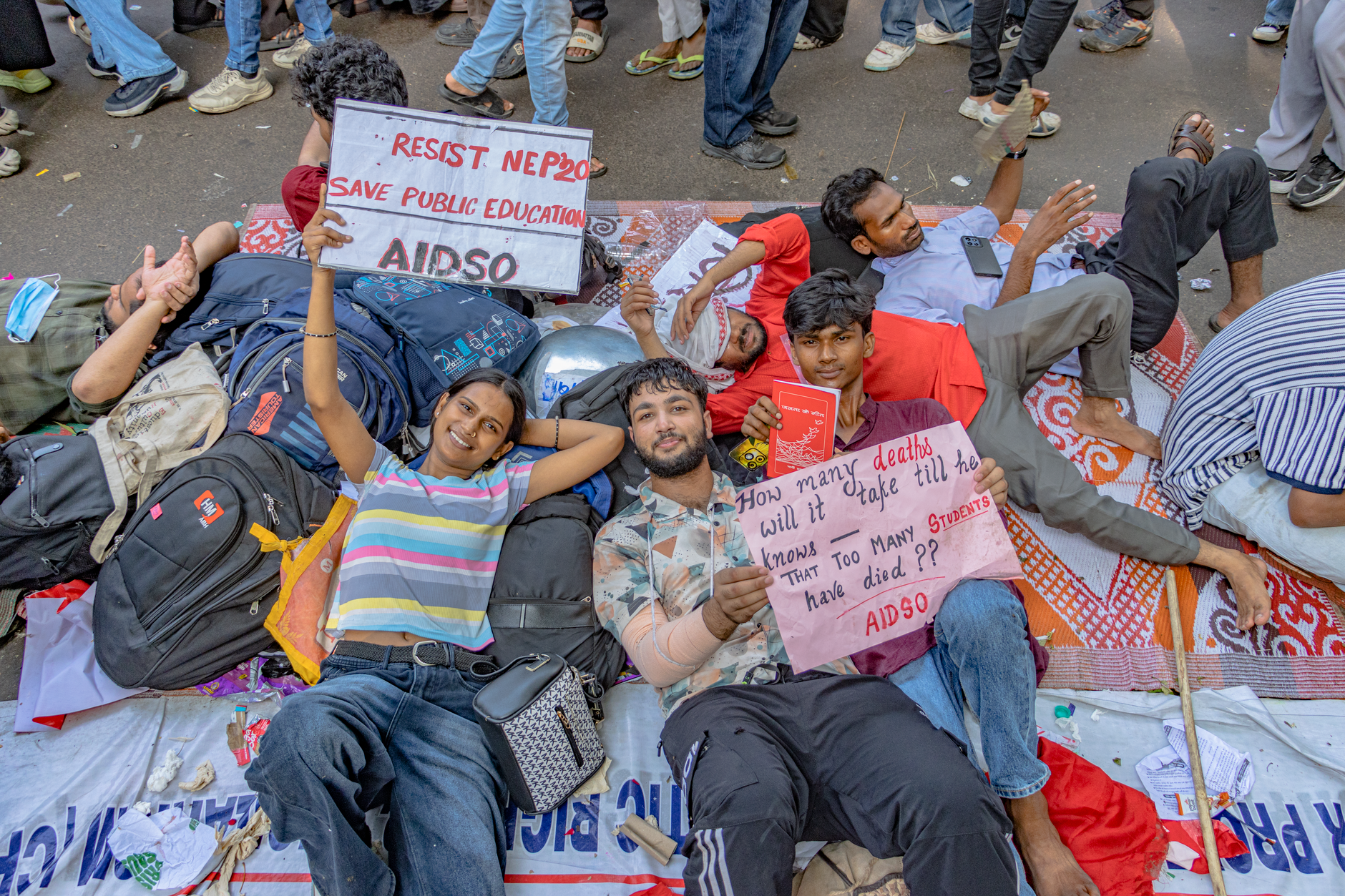
In a dramatic turn of events that highlights the power of sustained civil protest in India's democracy, widespread student demonstrations have come to an end after the Union Education Minister tendered his resignation. The protests, which had gained national attention and sparked debate about the state of India's educational system, represent one of the most significant student movements in recent years.
Background of the Protests
The demonstrations began as a response to mounting frustrations over various educational policies and systemic issues affecting students across India. Young people from universities and colleges in multiple states participated in what became known as the "cockroach" protests—a term that referenced the resilience and persistence of the demonstrators who, like the hardy insect, refused to be deterred despite attempts to disperse them.
The movement drew comparisons to historic student protests in India, echoing the activist spirit that has long been part of the country's educational institutions. Students utilized social media platforms to coordinate activities, share grievances, and build momentum for their cause, demonstrating the evolving nature of protest movements in the digital age.
Key Demands and Grievances
Student protesters raised several critical issues affecting India's education sector. These included concerns about examination reforms, admission policies, fee structures at public institutions, and the overall quality of education being delivered. Many participants also voiced frustration over employment prospects for graduates, arguing that educational policies were not adequately preparing students for the modern job market.
The protests also touched upon broader themes of educational access and equity. Demonstrators highlighted how policy decisions disproportionately affected students from economically disadvantaged backgrounds and rural areas, who often face additional barriers in accessing quality education.
The Minister's Position and Resignation
Dharmendra Pradhan had served as Union Education Minister during a period of significant policy changes and reforms in India's educational landscape. His tenure saw the implementation of various initiatives aimed at modernizing the education system, though these moves proved controversial among certain student groups and educational stakeholders.
The decision to resign came after sustained pressure from the protest movement and likely followed consultations with senior government leadership. While the specific circumstances leading to the resignation have not been fully disclosed, the timing clearly indicates a response to the ongoing demonstrations and public discourse surrounding educational policies.
Implications for India's Education Sector
The successful conclusion of these protests and the subsequent ministerial resignation carry significant implications for India's education policy going forward. The episode demonstrates that student voices remain a powerful force in shaping educational discourse and policy decisions in the country.
Future educational reforms will likely need to incorporate greater consultation with student representatives and address the core concerns that sparked these demonstrations. The government may need to reassess its approach to implementing major policy changes in the education sector, ensuring adequate stakeholder engagement before rolling out reforms.
Political Ramifications
Beyond the immediate educational context, this development carries political weight for the ruling government. The resignation of a cabinet minister following public protests represents a significant political event that opposition parties will likely reference in future electoral campaigns.
For the government, managing the transition and appointing a new education minister will be crucial. The successor will inherit the responsibility of addressing the grievances that sparked the protests while maintaining momentum on educational modernization initiatives that the government considers priorities.
Student Activism and Democratic Expression
This episode reaffirms the vital role of student activism in India's democratic framework. Educational institutions have historically served as crucibles for political awareness and civic engagement, and these protests continue that tradition.
The peaceful resolution of the demonstrations, with protesters achieving their immediate objective of the minister's resignation, sets a precedent for how grievances can be addressed through sustained, organized civil action within democratic channels.
Looking Ahead
As the protest movement winds down, attention will shift to the government's next steps in educational policy and the appointment of a new education minister. Students and educational stakeholders will be watching closely to see whether the concerns raised during the protests translate into meaningful policy changes.
The new minister will face the challenging task of building consensus among diverse stakeholders while advancing the government's educational agenda. Success will depend on transparent communication, inclusive policy-making processes, and demonstrable progress on the issues that brought thousands of students to the streets.
This article is for general informational purposes only and represents reporting on current events. Readers should consult official government sources and news outlets for the most up-to-date information on developing political situations.