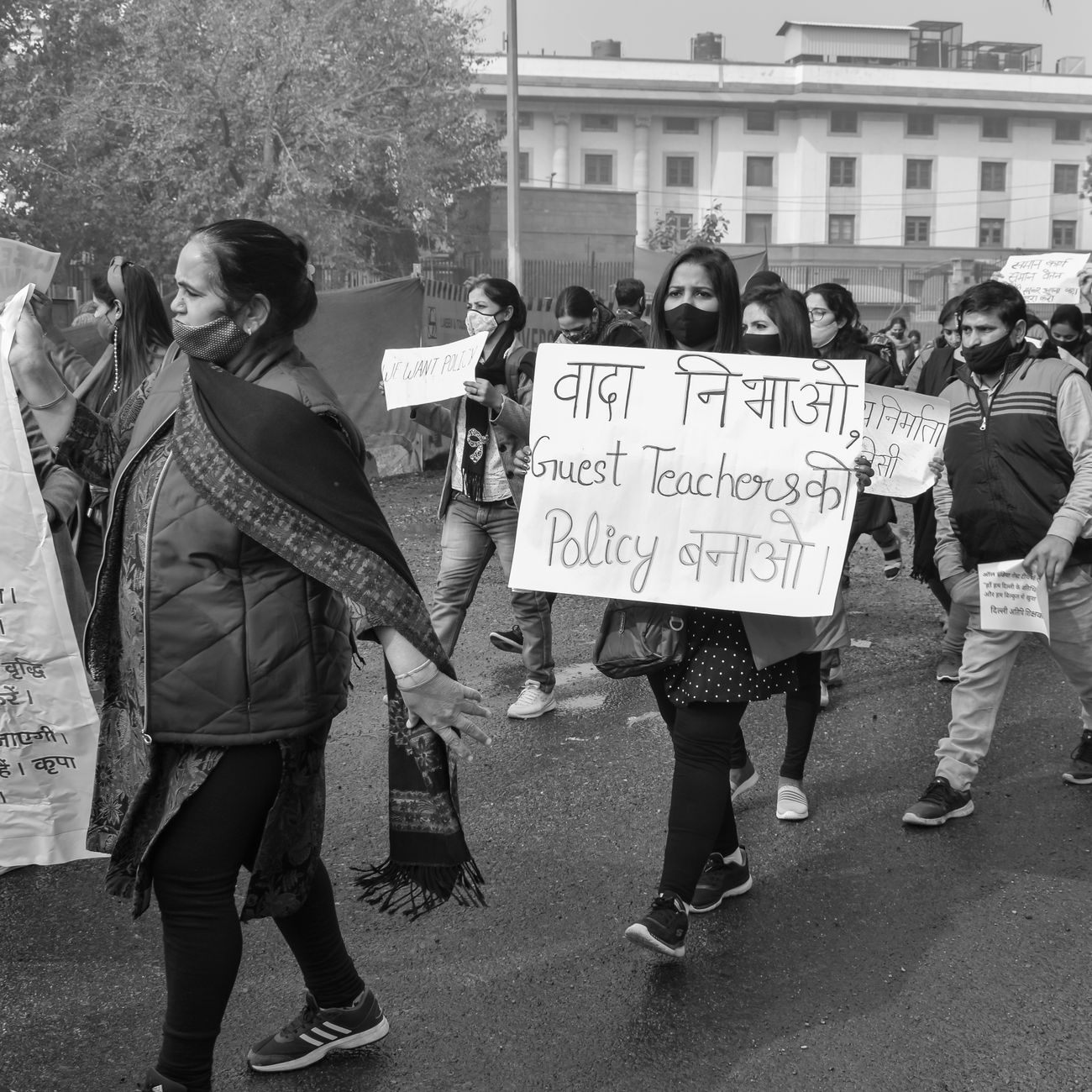
Student protests have long been a part of India's democratic fabric, serving as a barometer for youth sentiment on issues ranging from campus policies to national education reforms. The latest wave of demonstrations has brought renewed attention to the pressures facing India's students and the broader questions about how dissent is managed in educational institutions.
The Context Behind Student Activism
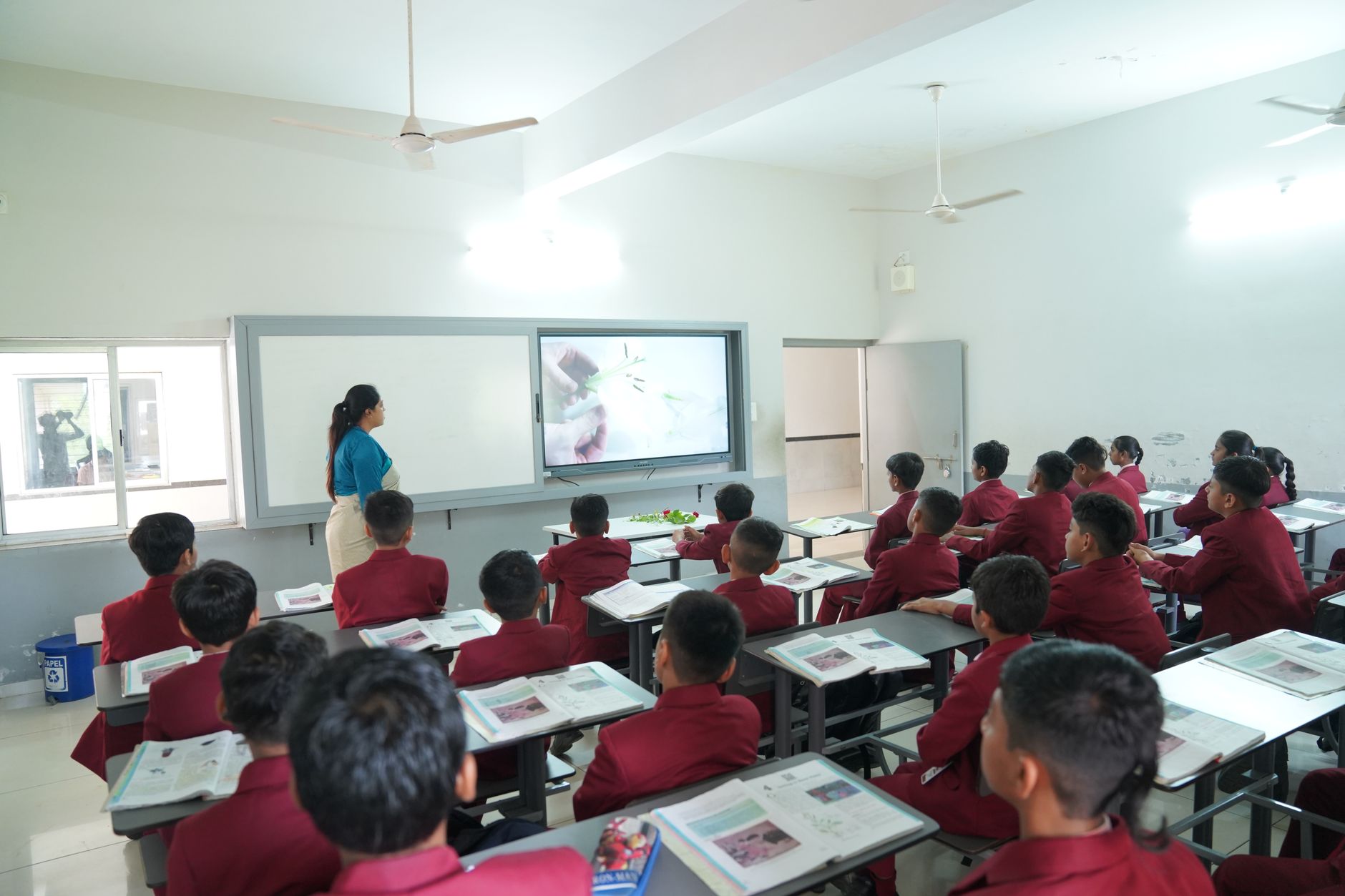
India's education system serves over 250 million students across schools and universities, making it one of the world's largest. This massive scale brings unique challenges, from resource allocation to the intense competition for limited seats in premier institutions. Students face enormous pressure through competitive examinations like JEE (Joint Entrance Examination), NEET (National Eligibility cum Entrance Test), and UPSC (Union Public Service Commission) exams, where millions compete for thousands of seats.
Recent protests have emerged from various triggers, including concerns about examination patterns, reservation policies, fee structures, and curriculum changes. The creative methods students employ to draw attention—sometimes using symbolic imagery or unconventional tactics—reflect both their urgency and their need to be heard in a crowded public discourse.
Key Issues Driving Student Concerns
Several interconnected issues have fueled student activism across Indian campuses:
- Examination reforms and the perceived lack of consultation with stakeholders before implementing major changes
- Mental health pressures stemming from hyper-competitive academic environments
- Questions about the relevance of curricula to modern job markets and skill requirements
- Concerns about institutional autonomy and academic freedom
- Debates over reservation policies and their implementation
- Rising education costs and accessibility for students from economically disadvantaged backgrounds
The Examination Pressure Cooker
India's competitive examination system has created an entire ecosystem of coaching centers, particularly concentrated in cities like Kota, Rajasthan. Students often spend years preparing for single examinations that can determine their career trajectories. This high-stakes environment has led to documented mental health concerns, with student counseling services reporting increased demand for support.
Critics argue that the system prioritizes rote learning over critical thinking and creativity, potentially leaving students ill-prepared for rapidly evolving job markets. Proponents counter that standardized examinations provide objective meritocratic pathways in a diverse country where other selection methods might be susceptible to bias.
The Right to Protest on Campus
A parallel conversation centers on how educational institutions and authorities respond to student dissent. Universities have historically been spaces for debate, questioning, and activism. The tension arises when administrators must balance maintaining academic schedules and campus order with protecting students' democratic rights to express grievances.
International education experts note that healthy universities accommodate diverse viewpoints and provide structured channels for student voices in governance. Student union elections, regular feedback mechanisms, and transparent decision-making processes can help address concerns before they escalate to protests.
Looking Toward Education Reform
Policymakers have acknowledged many student concerns, with initiatives like the National Education Policy 2020 aiming to address systemic issues. The policy proposes multidisciplinary education, flexibility in subject choices, and reduced examination pressure through continuous assessment models. However, implementation remains uneven across states and institutions.
Technology and Access
The COVID-19 pandemic accelerated digital education adoption but also highlighted stark inequalities in access to technology and internet connectivity. Students from rural areas and economically weaker sections faced significant disadvantages, raising questions about equitable educational opportunities in an increasingly digital learning environment.
The Path Forward
Addressing student concerns requires multi-stakeholder dialogue involving students, educators, administrators, and policymakers. Some institutions have begun implementing mental health support programs, mentorship initiatives, and more transparent communication channels.
The creative and determined nature of student activism demonstrates young Indians' engagement with their educational futures. Whether demands center on specific policy changes or broader systemic reforms, the underlying message is clear: students seek an education system that prepares them for meaningful careers while supporting their well-being throughout the learning journey.
As India positions itself as a global knowledge economy, how it addresses these educational challenges will significantly impact not just individual student outcomes but the nation's long-term human capital development and democratic culture.
This article provides general information about education-related protests and policy debates in India. Readers should consult official government sources and educational institutions for specific, up-to-date information about examination policies, admission procedures, and campus regulations.