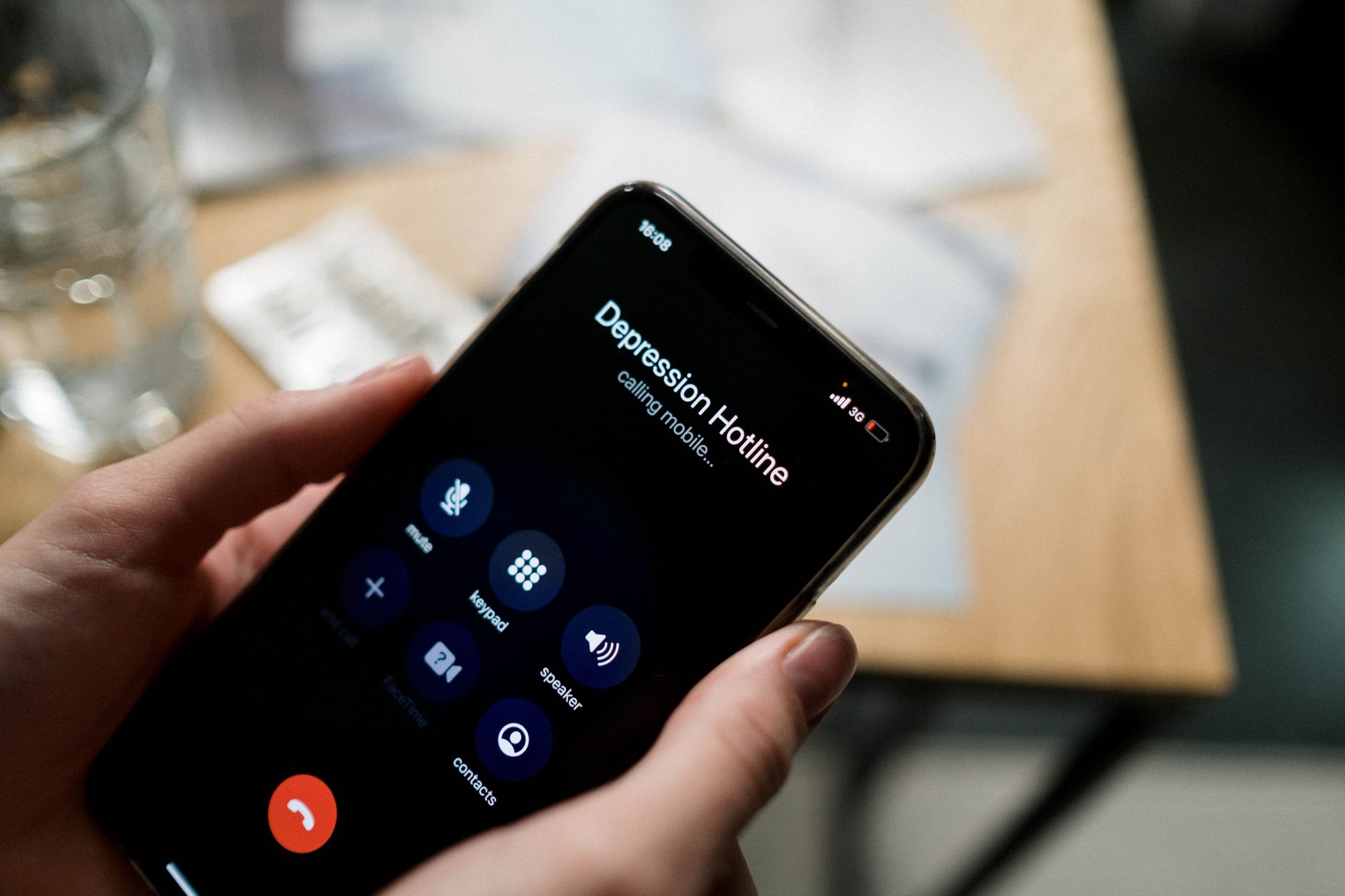
India has achieved a significant milestone in public health with international recognition of its Tele-MANAS programme, a nationwide mental health helpline that has emerged as a game-changer in making psychological support accessible to millions of citizens. The acknowledgment by a prestigious British medical journal underscores the programme's scale, reach, and potential impact on global mental health initiatives.
What is Tele-MANAS
Tele-MANAS, which stands for Tele-Mental Health Assistance and Networking Across States, is a toll-free helpline service launched by the Indian government in October 2022. The initiative operates on a two-tier system, providing immediate psychological first aid and referring callers to specialized mental health services when necessary. Citizens can access the service by dialing 14416 or the Tele-MANAS number 1800-891-4416 from anywhere in India.
The programme was launched as part of the National Tele Mental Health Programme under the aegis of the Ministry of Health and Family Welfare, representing a significant investment in mental healthcare infrastructure. It operates in multiple Indian languages, ensuring accessibility across diverse linguistic regions and demographics.
How the Service Works
When someone calls Tele-MANAS, they are connected to trained counselors who provide support for various mental health concerns including stress, anxiety, depression, suicidal thoughts, and other psychological issues. The first tier consists of state-level counselors who handle initial calls and provide basic psychological support and crisis intervention.
If a caller requires more specialized care, they are referred to the second tier, which includes clinical psychologists, psychiatrists, and other mental health specialists. This structured approach ensures that resources are utilized efficiently while providing appropriate care based on individual needs. The service maintains confidentiality and operates round-the-clock in many states, making it accessible during crisis moments when traditional healthcare facilities might be unavailable.
Why India Needed This Initiative
India faces a significant mental health burden with an estimated 150 million people requiring mental health interventions, yet the country has historically suffered from a severe shortage of mental health professionals. The psychiatrist-to-population ratio in India is approximately 0.3 per 100,000 people, far below the WHO recommendation of 3 per 100,000.
Cultural stigma surrounding mental health has traditionally prevented many Indians from seeking help through conventional channels. The anonymity provided by a telephone helpline helps overcome this barrier, allowing people to discuss their concerns without fear of social judgment. Additionally, the vast geographical spread of India, with many remote areas lacking adequate healthcare infrastructure, makes telehealth solutions particularly valuable.
Impact and Reach
Since its launch, Tele-MANAS has reportedly handled millions of calls across the country, providing critical support during mental health crises and routine psychological distress. The programme has established cells in various states and union territories, with each state setting up counseling facilities staffed by trained professionals.
The initiative has been particularly valuable in reaching underserved populations, including those in rural areas, economically disadvantaged groups, and individuals who might otherwise never access mental health services. Students, working professionals dealing with workplace stress, elderly individuals facing isolation, and people coping with various life challenges have all benefited from the service.
Global Significance
The international recognition of Tele-MANAS highlights the potential of government-led digital health initiatives in addressing public health challenges at scale. As countries worldwide grapple with rising mental health concerns, particularly in the aftermath of the COVID-19 pandemic, India's model demonstrates how technology can be leveraged to democratize access to mental healthcare.
The programme's scale—serving a population of over 1.4 billion people—makes it unprecedented in ambition and reach. It serves as a potential blueprint for other developing nations facing similar challenges of limited mental health infrastructure and significant unmet needs.
Future Prospects
The success and recognition of Tele-MANAS are likely to encourage further investment in mental health infrastructure and telepsychiatry services in India. The programme continues to expand its capacity, train more counselors, and integrate with other health initiatives to provide comprehensive support to citizens.
This article is for general informational purposes only and is not a substitute for professional mental health advice, diagnosis, or treatment. If you or someone you know is experiencing a mental health crisis, please contact Tele-MANAS at 14416 or consult with a qualified mental health professional.