India welcomed over 9 million foreign tourists in 2023, with domestic tourism reaching unprecedented levels as middle-class Indians explored their own country. However, this travel boom has brought an unwelcome side effect—irresponsible tourist behaviour that threatens the very attractions people come to see.
The Scale of the Problem
From plastic waste choking pristine Himalayan trails to graffiti defacing ancient monuments, India's tourism hotspots are struggling. Popular destinations like Manali, Goa, Rishikesh, and Ladakh report mountains of non-biodegradable waste left behind by visitors. The problem isn't limited to domestic tourists; foreign visitors have also been called out for disrespectful behaviour at religious sites and cultural insensitivity.
The issue became particularly visible during the pandemic recovery period when pent-up travel demand led to overcrowding at hill stations and beaches. Social media flooded with images of garbage-strewn landscapes in places that were once pristine, sparking national conversations about tourist responsibility.
Common Offences Damaging India's Tourism
Several patterns of irresponsible behaviour have emerged across popular destinations:
- Littering plastic bottles, food packaging, and cigarette butts at natural sites and heritage monuments
- Defacing historical structures with graffiti and carved initials
- Playing loud music and disturbing wildlife in protected areas and national parks
- Wearing inappropriate clothing at religious sites and ignoring cultural norms
- Creating dangerous social media content that damages fragile ecosystems
- Illegal camping and fires in protected forest areas
- Harassment of local communities and street vendors
- Driving recklessly on mountain roads, causing accidents and traffic chaos
Impact on Local Communities and Ecosystems
The consequences extend far beyond aesthetic concerns. Local communities dependent on tourism for their livelihoods find themselves trapped between economic necessity and environmental degradation. In Himachal Pradesh, villages have started imposing fines on tourists who litter. In Leh-Ladakh, the fragile high-altitude ecosystem struggles to cope with waste that doesn't decompose in the cold, dry climate.
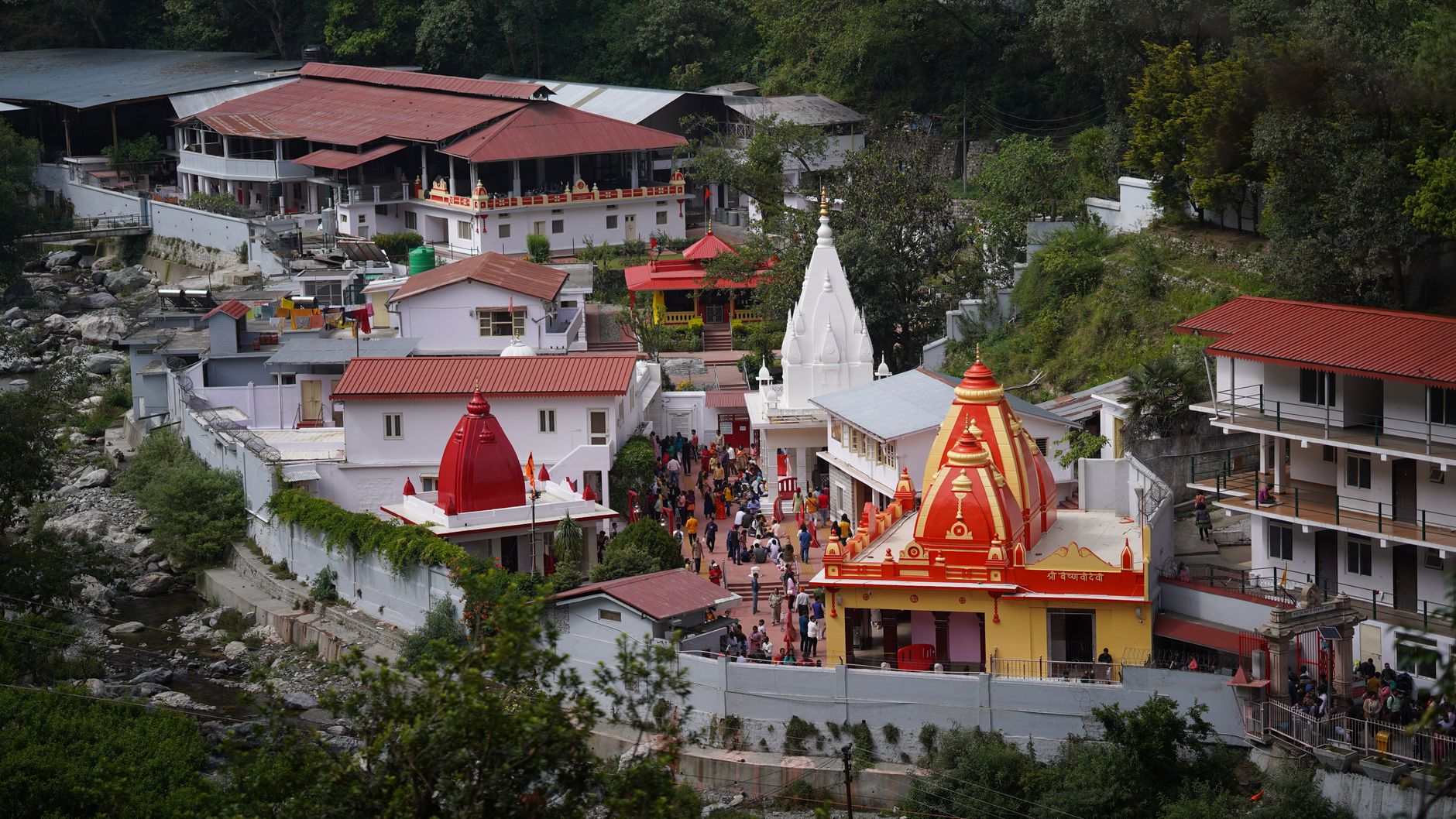
Religious sites face particular challenges. Temples and pilgrimage destinations report instances of tourists treating sacred spaces as mere photo opportunities, ignoring dress codes and behavioural guidelines that locals hold dear. This creates tension between communities and visitors, potentially harming India's reputation as a welcoming destination.
Government and Industry Response
Authorities have begun implementing stricter measures. Several states have introduced heavy fines for littering, with some tourist spots deploying dedicated enforcement teams. The Uttarakhand government has banned single-use plastics in eco-sensitive zones. Similarly, popular trekking routes now require permits and mandatory waste collection by trekking groups.
Tourism industry stakeholders are also stepping up. Hotels and tour operators increasingly include responsible travel guidelines in their communications. Some have launched awareness campaigns highlighting the importance of leaving destinations as you found them.
The Role of Social Media
Ironically, social media—which has democratized travel and inspired millions to explore—has also contributed to the problem. The pursuit of the perfect Instagram photo has led tourists to venture into restricted areas, disturb wildlife, and create trails in previously untouched locations. The "influencer effect" has resulted in overcrowding at specific photogenic spots while other equally beautiful destinations remain empty.
Creating a Culture of Responsible Travel
Solving this crisis requires a multi-pronged approach. Education must start early, with schools incorporating environmental responsibility and cultural sensitivity into curricula. Tourism marketing should highlight responsible behaviour as part of the travel experience, not an afterthought.
Travelers themselves must take ownership. Simple actions make enormous differences—carrying reusable water bottles, disposing of waste properly, respecting local customs, supporting local businesses, and choosing eco-friendly accommodations. The concept of "leave no trace" should become second nature to every Indian traveler.
The Path Forward
India's tourism potential remains enormous, with countless destinations yet to gain mainstream popularity. However, sustaining this growth requires balancing accessibility with preservation. Countries like Bhutan and New Zealand have successfully implemented models that prioritize quality over quantity, proving that tourism can thrive without destroying what makes destinations special.
The current crisis presents an opportunity. By addressing irresponsible tourist behaviour now, India can build a sustainable tourism model that benefits local communities, preserves cultural heritage, protects natural environments, and ensures future generations can enjoy these treasures. The question isn't whether India can afford to tackle this problem—it's whether it can afford not to.