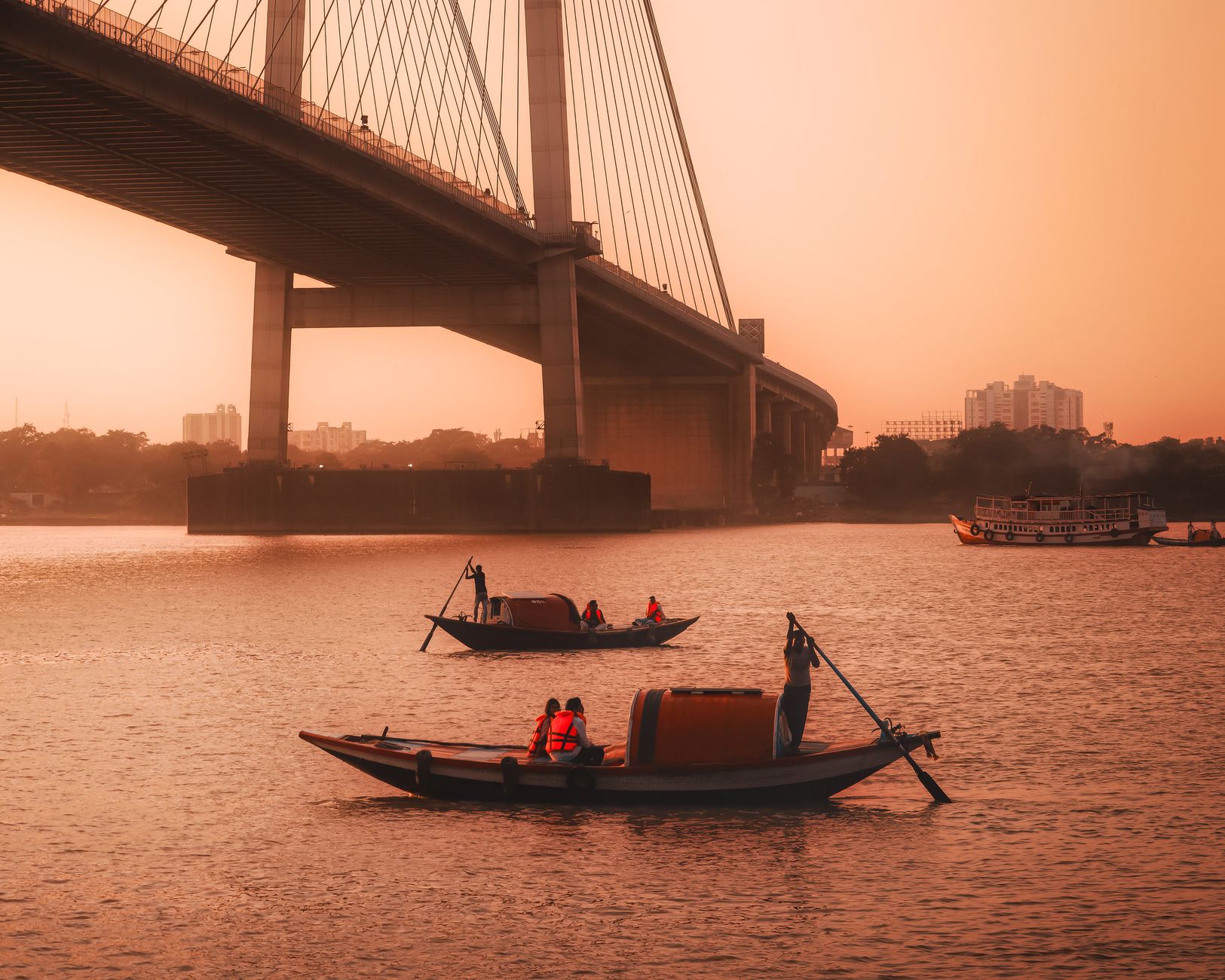
The Indian travel landscape is undergoing a remarkable transformation, as evidenced by the trends emerging from the recent Kolkata Travel Fair. The event showcased an unprecedented appetite among Indian travellers for diverse international experiences, signalling a new era of outbound tourism that extends far beyond traditional pilgrimage and leisure destinations.
The Global Dreams of Indian Travellers
Indian tourists are increasingly seeking unique, experiential journeys that offer more than standard sightseeing. The fair revealed that travellers from India are now prioritising bucket-list destinations and once-in-a-lifetime experiences over conventional holiday packages. This shift reflects rising disposable incomes, improved access to information through digital platforms, and a growing desire to explore the world's most iconic destinations.
Europe continues to dominate the wish lists of Indian travellers, with comprehensive tours covering multiple countries gaining significant traction. The appeal lies in the continent's rich history, diverse cultures, architectural marvels, and convenient connectivity between nations. Travel operators report strong bookings for packages that combine classic destinations like Paris, Rome, and London with emerging favourites such as Eastern European cities and Scandinavian countries.
The Allure of Arctic Experiences
One of the most striking trends from the fair is the explosive interest in Northern Lights experiences. Indian travellers are increasingly willing to venture into Arctic regions of Norway, Finland, Iceland, and Sweden to witness the aurora borealis. This phenomenon represents a significant departure from warm-weather preferences that traditionally dominated Indian tourism patterns.
Travel companies are responding by creating specialized packages that combine aurora viewing with other Arctic activities such as husky sledding, ice hotel stays, and indigenous cultural experiences. The winter months of 2026 are already seeing robust advance bookings for these high-value experiential journeys.
Alpine Adventures and Mountain Escapes
The Swiss Alps, Austrian mountains, and other European highland destinations are capturing imaginations with promises of pristine landscapes, adventure sports, and luxury mountain resorts. Indian travellers are showing particular interest in alpine experiences that blend natural beauty with activities like skiing, cable car rides, and scenic train journeys.
The popularity of these destinations reflects a broader trend toward wellness and nature-based tourism, with travellers seeking respite from urban lifestyles in serene mountain environments.
Wildlife Safaris Beyond Borders
While India boasts exceptional wildlife destinations, travellers are increasingly looking outward to African safaris, particularly in Kenya, Tanzania, and South Africa. The opportunity to witness the Great Migration, encounter the Big Five, and experience world-class game reserves is driving significant interest in these packages.
Luxury safari lodges, conservation-focused experiences, and combination packages that include both wildlife viewing and beach relaxation are particularly popular. Travel operators note that Indian families are viewing these safaris as educational experiences for children, combining adventure with learning about global biodiversity.
The Luxury Travel Boom
Perhaps the most significant revelation from the fair is the dramatic growth in demand for luxury holiday packages. Indian travellers are willing to invest substantially in premium experiences that offer exclusivity, personalised service, and unique access. This includes private yacht charters, luxury train journeys across Europe, stays at heritage properties, and bespoke itineraries designed around individual interests.
The luxury segment is expanding beyond the ultra-wealthy to include affluent professionals, successful entrepreneurs, and dual-income families who view premium travel as a worthwhile investment in memorable experiences and family bonding.
Factors Driving the Revolution
Several factors are fueling this travel revolution. The strengthening of the Indian rupee against certain currencies, improved international air connectivity from Indian cities, simplified visa processes, and the influence of social media showcasing global destinations all play crucial roles. Additionally, younger Indian travellers who have studied or worked abroad are influencing family travel decisions, introducing parents to international destinations.
Travel companies are also becoming more sophisticated, offering flexible payment plans, comprehensive travel insurance, and end-to-end services that reduce the intimidation factor of international travel for first-time outbound tourists.
Looking Ahead to 2026
The trends from the Kolkata Travel Fair suggest that 2026 will be a landmark year for Indian outbound tourism. Travel operators are expanding their portfolios, training staff on diverse destinations, and building partnerships with international service providers to meet this growing demand. The Indian traveller is no longer content with passive tourism but seeks active engagement, authentic cultural exchanges, and transformative experiences that create lasting memories.