India has witnessed a remarkable wave of student activism that has reshaped the country's educational landscape, culminating in the resignation of a senior education official and promises of comprehensive examination reforms. The protests underscore the immense pressure facing India's youth in one of the world's most competitive education systems.
The Breaking Point
The protests erupted following allegations of irregularities in major competitive examinations that millions of Indian students depend on for university admissions and career opportunities. These exams serve as gateways to prestigious institutions and professional courses, making any hint of unfairness a source of widespread anger among students and parents alike.
India's examination system handles massive volumes, with competitive tests like the National Eligibility cum Entrance Test (NEET) and various university entrance exams attracting millions of candidates annually. When questions about paper leaks, marking inconsistencies, or procedural flaws emerge, they affect enormous numbers of aspirants whose entire futures may hinge on these results.
Student Demands and Demonstrations
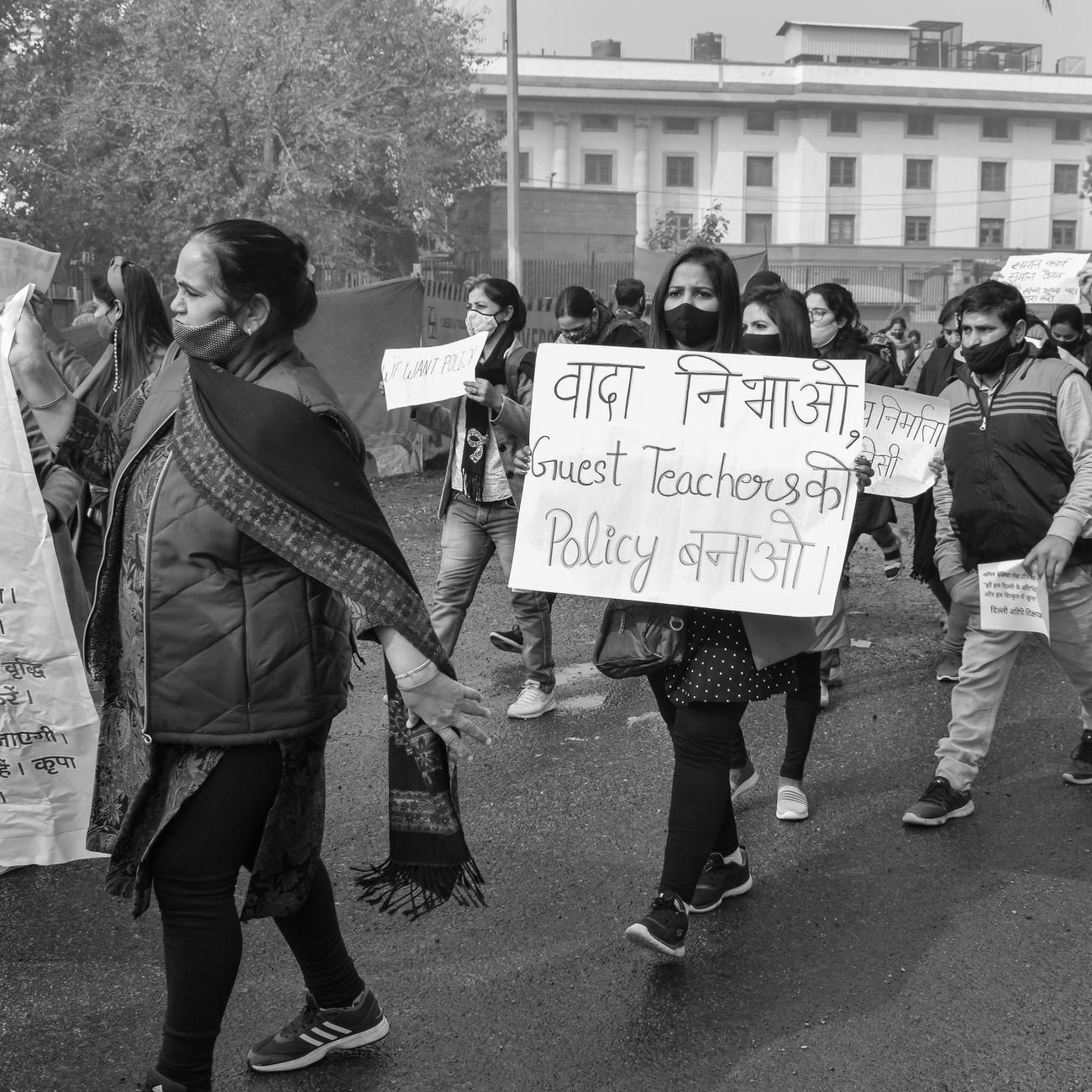
Young protesters took to streets across major Indian cities, demanding accountability and systemic reforms. Their key concerns included:
- Transparency in examination processes and paper setting
- Secure systems to prevent paper leaks and cheating
- Fair marking and re-evaluation mechanisms
- Standardized procedures across all examination centers
- Better infrastructure and technology for conducting large-scale tests
The demonstrations gained momentum through social media coordination, with students sharing experiences and organizing simultaneous protests across multiple states. The movement transcended regional and linguistic boundaries, uniting students from diverse backgrounds around common grievances.
The Education System Under Scrutiny
India's education system serves approximately 250 million students across schools and higher education institutions, making it one of the largest in the world. The sheer scale creates significant administrative challenges, but critics argue that systemic issues extend beyond logistics.
The competitive examination culture in India places extraordinary pressure on young people. Students often spend years preparing for single tests, with coaching institutes forming a parallel education industry worth billions. When exam integrity is compromised, it undermines years of preparation and creates deep disillusionment among youth and their families.
Policy Reforms Announced
In response to sustained protests, authorities have announced several reform measures aimed at restoring confidence in the examination system. These include the establishment of new oversight bodies, stricter protocols for question paper security, and enhanced use of technology for exam administration and evaluation.
The government has also promised to review the centralized examination model and consider decentralizing certain processes to reduce vulnerability to systemic failures. Discussions are underway about implementing standardized digital platforms that can provide better monitoring and transparency throughout the examination lifecycle.
Broader Implications
The successful student mobilization carries implications beyond immediate exam reforms. It demonstrates the growing political awareness and organizational capacity of India's youth, who represent a significant demographic force in a country where the median age is approximately 28 years.
The protests have also sparked wider conversations about the intense competition and mental health pressures facing Indian students. Education experts argue that while examination reforms are necessary, deeper changes in teaching methodologies, evaluation systems, and the overall approach to learning are equally important.
Political Fallout
The ministerial resignation represents a significant political development, showing that student activism can drive accountability at senior government levels. It also reflects the electoral importance of education issues in a young democracy where millions of first-time voters enter the electorate each year.
Opposition parties have seized upon the education crisis to criticize the government's handling of critical youth issues, making examination reforms a political battleground ahead of upcoming elections.
The Road Ahead
While the immediate protests have achieved visible results, sustaining momentum for long-term educational reform remains challenging. Implementation of announced changes will require substantial investment in infrastructure, training, and technology.
Students and education activists emphasize that their movement seeks not just cosmetic changes but fundamental improvements in how India's education system serves its youth. They advocate for a shift from rote learning and high-stakes testing toward more holistic evaluation methods that reduce the make-or-break nature of single examinations.
The coming months will test whether the current reform commitments translate into meaningful change or whether the examination system's deep-rooted problems persist despite temporary political responses to public anger.