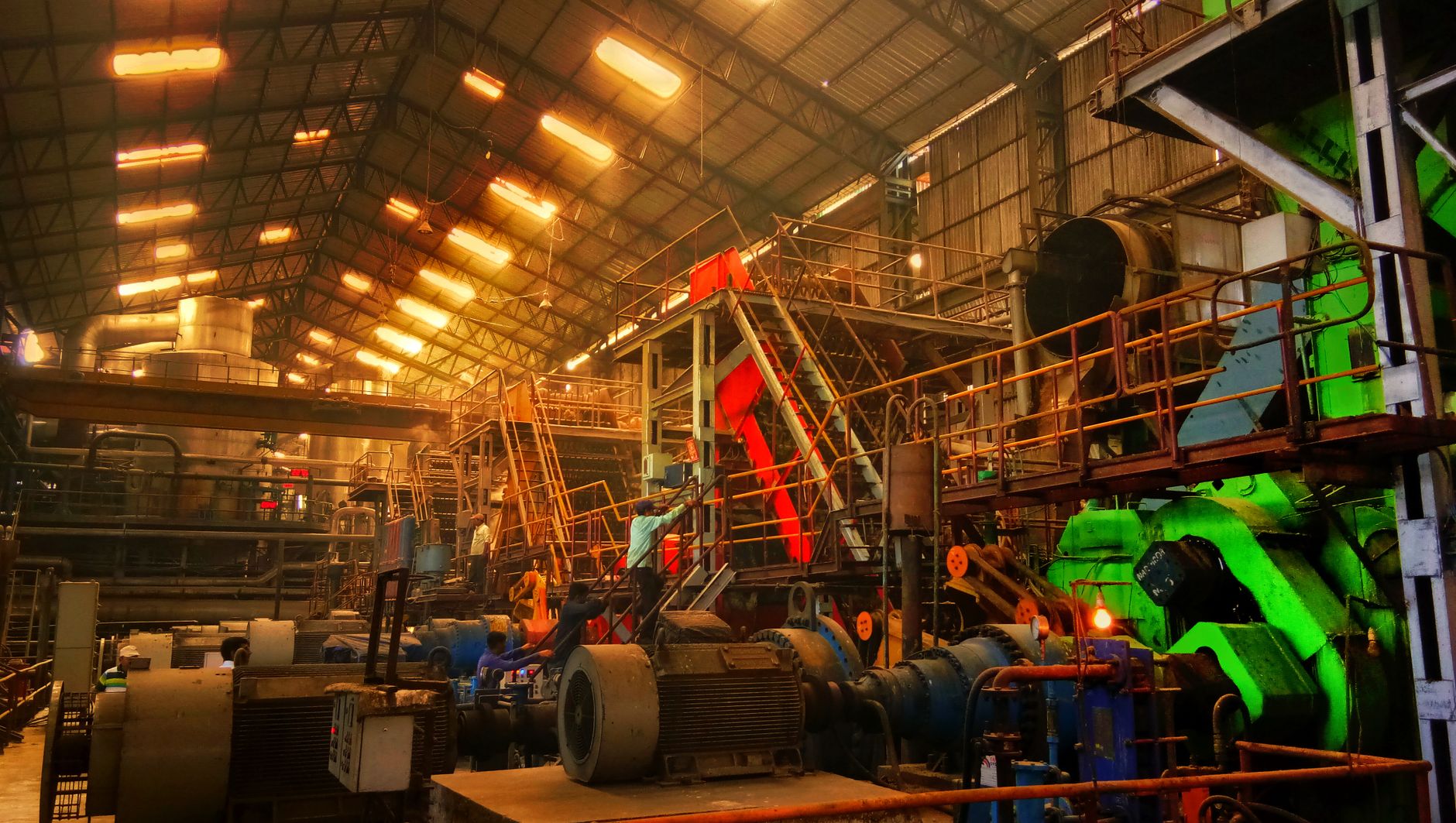
The Production Linked Incentive (PLI) scheme, launched by the Indian government in 2020, represents one of the most ambitious industrial policy initiatives in recent decades. With an outlay exceeding Rs 1.97 lakh crore across 14 sectors, the programme aims to boost domestic manufacturing and make India an integral part of global supply chains. However, as the scheme matures, a crucial question emerges: can financial incentives alone create a sustainable manufacturing ecosystem?
Understanding the PLI Framework
The PLI scheme offers financial incentives to companies that achieve predetermined production and sales targets. The programme covers diverse sectors including electronics, pharmaceuticals, automobiles, textiles, food processing, and advanced chemistry cells. Companies receive incentives ranging from 4% to 6% of their incremental sales over a base year, subject to meeting investment and production milestones.
The scheme has undeniably attracted attention. Major global players including Apple suppliers, Samsung, and numerous pharmaceutical companies have announced significant investments in India. The electronics manufacturing sector alone has seen production commitments worth billions of dollars, with smartphone production crossing impressive milestones.
The Missing Pieces of the Manufacturing Puzzle
Despite these successes, manufacturing experts point to several structural challenges that financial incentives cannot address on their own.
Infrastructure Bottlenecks
Manufacturing competitiveness depends heavily on logistics efficiency. India's infrastructure gaps—from port congestion to inconsistent power supply and inadequate industrial connectivity—add significant costs. A manufacturer might receive PLI benefits but lose competitiveness due to higher freight costs, longer lead times, or unreliable utilities. Countries like Vietnam and Bangladesh often offer better logistics despite having no comparable incentive schemes.
Regulatory Complexity
India's regulatory environment remains challenging for manufacturers. Multiple layers of compliance—state and central government regulations, labour laws, environmental clearances, and tax procedures—create administrative burdens. The PLI scheme does not automatically simplify these processes. A company might be incentivized to produce but still face delays in approvals, inspections, and clearances that affect time-to-market.
Skilled Workforce Challenges
Manufacturing increasingly requires specialized skills in automation, quality control, and process management. India faces a significant skill gap in these areas. While PLI funds can help companies set up plants, they do not directly address the shortage of trained technicians, engineers, and supervisors. Companies often spend considerable resources on training, reducing the net benefit of PLI incentives.
Raw Material and Component Ecosystems
Many manufacturing sectors rely on complex supply chains. Electronics manufacturing, for instance, requires hundreds of specialized components. India's component ecosystem remains underdeveloped in many areas. Companies might assemble products under PLI schemes but continue importing the bulk of value-added components, limiting the scheme's impact on true value creation and employment generation.
The Land and Labour Reform Factor
Acquiring industrial land remains time-consuming and often contentious in India. Labour laws, despite some recent reforms, still pose challenges for scaling operations quickly. These fundamental factors affect a manufacturer's ability to be globally competitive, regardless of financial incentives.
What Works Well with PLI
The scheme has succeeded in specific contexts. In sectors where India already had some competitive advantages—such as pharmaceutical APIs or specific electronics assembly—PLI has accelerated growth and attracted quality investments. When combined with state-level industrial reforms and sector-specific infrastructure development, results have been more impressive.
A Comprehensive Approach Needed
International experience suggests successful manufacturing hubs emerge from comprehensive policy frameworks, not single interventions. China's manufacturing rise combined incentives with massive infrastructure investment, special economic zones with streamlined regulations, and systematic workforce development. Vietnam's success story includes regulatory predictability, efficient ports, and trade agreements alongside incentives.
For India, this means PLI should be part of a larger reform agenda including land and labour reforms, infrastructure development focused on industrial corridors, regulatory simplification through single-window clearances, investment in technical education aligned with industry needs, and development of component manufacturing ecosystems.
The PLI scheme represents important progress in industrial policy thinking. However, expecting it alone to transform India into a manufacturing powerhouse may be unrealistic. Sustainable manufacturing competitiveness requires addressing the entire ecosystem—from the ease of setting up a plant to the efficiency of getting products to global markets. PLI can be the catalyst, but the real work lies in comprehensive structural reforms that make manufacturing in India genuinely competitive on global terms.