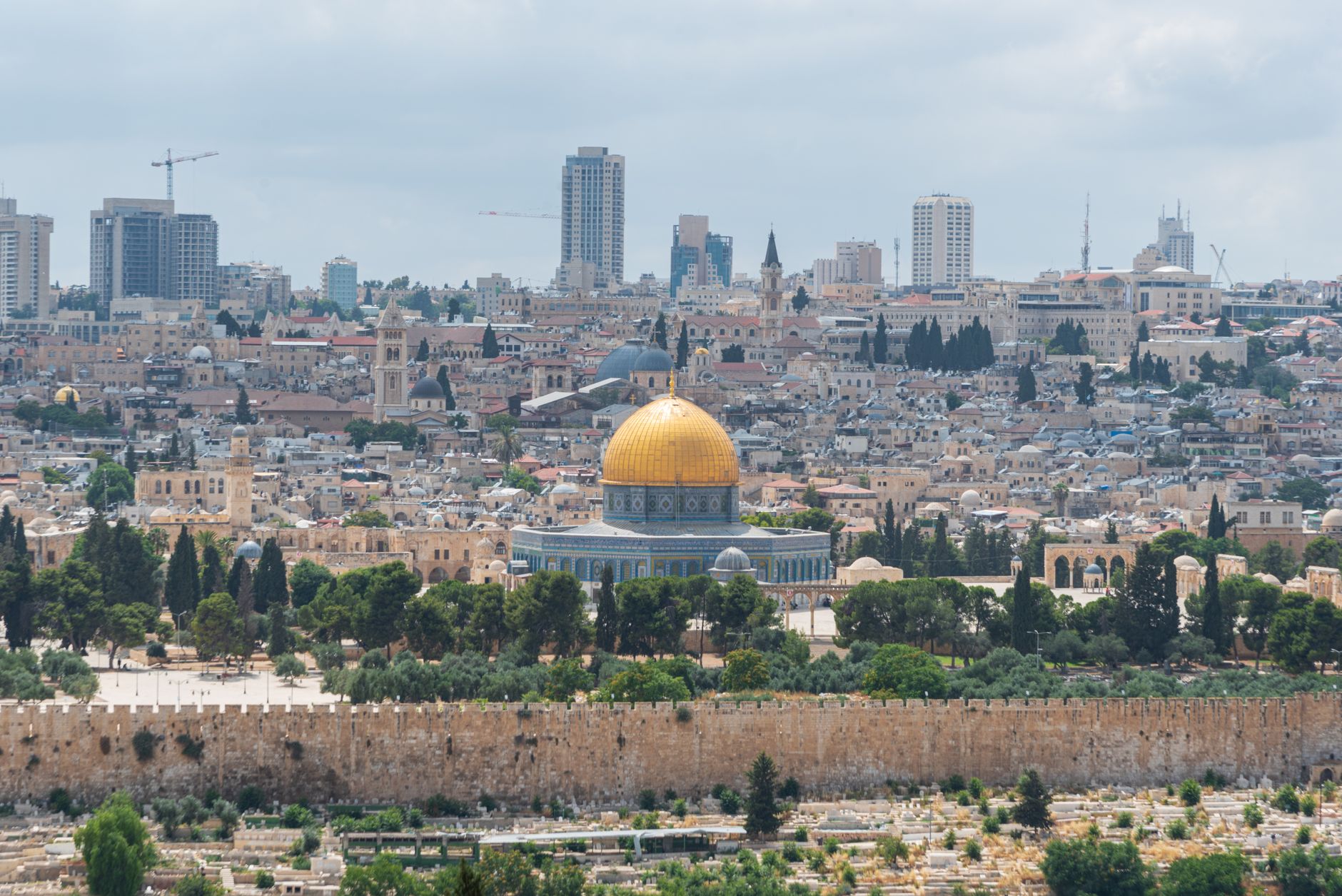
Israel's tourism industry is setting ambitious recovery targets after recent conflicts significantly impacted visitor numbers from one of its key emerging markets. The country's tourism officials have announced plans to restore Indian tourist arrivals to pre-war levels by 2027, signaling a strategic push to rebuild confidence and strengthen travel connections with India.
The Historical Context of India-Israel Tourism
Indian tourists have become increasingly important to Israel's tourism sector over the past decade. The relationship between the two nations has evolved considerably since the establishment of full diplomatic relations in 1992. Indian visitors are drawn to Israel for various reasons, including religious pilgrimages to Christian and Jewish holy sites, historical exploration, and interest in the country's technological innovations and agricultural practices.
Before the recent conflict disruption, Israel was experiencing steady growth in Indian arrivals. Indian travelers typically spend considerable time exploring destinations like Jerusalem, Tel Aviv, the Dead Sea, and various historical and religious sites throughout the country. The market segment includes both leisure travelers and business visitors, reflecting the deepening economic ties between the two nations.
Impact of Recent Conflicts on Tourism
The tourism sector in Israel faced significant challenges during recent periods of conflict and heightened security concerns. International arrivals dropped sharply as travelers reconsidered their plans and many countries issued travel advisories. Indian tourists, known for being somewhat cautious about conflict zones, were among those who postponed or canceled their visits.
The disruption affected not just hotels and tour operators but the entire ecosystem of tourism-dependent businesses, from restaurants to souvenir shops. Many establishments that had invested in catering to Indian preferences, including kosher Indian cuisine and Hindi-speaking guides, saw their specialized services underutilized.
Strategies for Recovery
To achieve the 2027 target, Israeli tourism authorities are implementing multiple strategies focused on accessibility, marketing, and relationship building. Enhanced flight connectivity stands as a crucial element, with potential increases in direct flights between major Indian cities and Tel Aviv. Currently, several airlines operate on this route, and expansion of capacity and frequency would make travel more convenient.
Simplified visa processes represent another key initiative. Streamlining documentation requirements and processing times can significantly influence travel decisions, particularly for Indian tourists who often consider multiple international destinations. Israel has been working on digital solutions to make visa applications more efficient.
Marketing campaigns targeting Indian travelers will emphasize the country's safety measures, diverse attractions, and cultural connections. These efforts will likely highlight Israel's appeal across different traveler segments, from young backpackers exploring Mediterranean beaches to families seeking educational experiences and older travelers on religious pilgrimages.
The Appeal of Israel for Indian Travelers
Several factors make Israel an attractive destination for Indians. Religious tourism remains paramount, with Christian pilgrims visiting sites associated with Jesus's life and Jewish history attracting those interested in biblical archaeology. The country's compact size allows visitors to experience diverse landscapes, from Mediterranean coastlines to desert terrain, within relatively short distances.
Indian travelers also show interest in Israel's renowned agricultural technology and innovation ecosystem. Organized tours often include visits to kibbutzim, high-tech startups, and agricultural research centers, appealing to professionals and students seeking educational experiences.
The culinary scene presents another draw, with Mediterranean cuisine resonating with Indian palates accustomed to flavorful, spice-forward dishes. The availability of vegetarian options also makes Israel comfortable for Indian travelers with dietary preferences.
Economic and Diplomatic Implications
The tourism push reflects broader India-Israel relations, which have strengthened considerably in recent years. Beyond tourism revenue, people-to-people connections foster cultural understanding and support economic partnerships in sectors like defense, agriculture, and technology.
For Israel, diversifying its tourism source markets reduces vulnerability to fluctuations in any single market. Indian tourists represent a growing middle class with increasing disposable income and appetite for international travel, making them strategically important for long-term tourism planning.
Challenges Ahead
Achieving pre-war tourism levels by 2027 requires sustained peace and stability. Any recurrence of conflict could derail recovery efforts. Additionally, Israel faces competition from other destinations vying for Indian tourists, including European countries, Southeast Asian nations, and emerging Middle Eastern tourism hubs.
Economic factors, including exchange rates and travel costs, will influence Indian travelers' decisions. Israel is generally considered a relatively expensive destination, which may require targeted pricing strategies or value-added packages to maintain competitiveness.
The success of Israel's tourism recovery will depend on coordinated efforts between government bodies, airlines, travel operators, and hospitality providers, all working to rebuild confidence and demonstrate the destination's readiness to welcome Indian visitors safely and warmly.